2025 Horse Roundup | Game On: Creating a business plan for your equine enterprise
Kara Harders, a South Dakota State University Extension Community Vitality Field Specialist based in Watertown, South Dakota, offered some basic tips and advice on how and why to create a business plan for your equine based enterprise.
“A business plan is a written roadmap for your business,” Harders said. “It outlines your goals, how you plan to achieve them, and the resources and strategies you’ll use along the way. It covers things like what you’re offering, who your customers are, how you’ll reach them, and how a business will earn a profit. Additionally, it helps you really understand what you want, how factors fit together and helps shape a more stable business.”
Whether you are raising foals, training outside horses, building saddles, or standing a stallion to the public, a business plan is a strategic tool for any venture.
“A business plan helps you think through your business in a focused, practical way,” Harders said. “It’s especially valuable when you’re just starting out because it forces you to consider not just what you want to do, but how you’re actually going to make it work. It can make it easier to secure funding, communicate with partners, and stay focused as you grow. Business plans help manage and identify unique risks, while balancing dreams with sustainability.”
-
Your business plan is a roadmap for your enterprise.
Scherbarth 1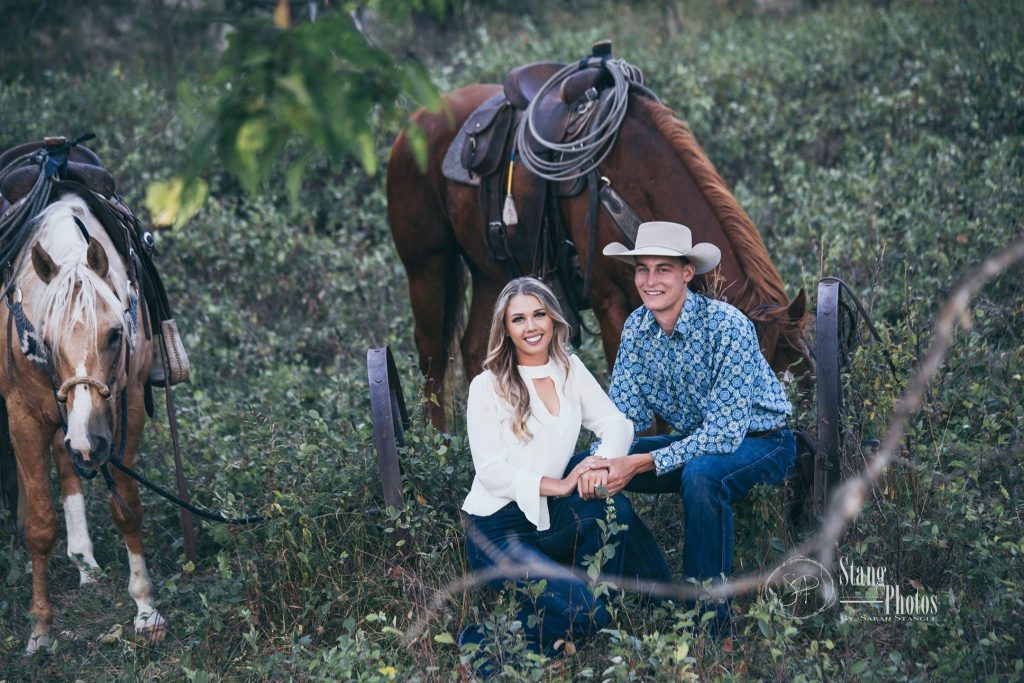
-
A business plan will help you manage and identify risks and keep your dreams in sight, while making sure your enterprise is sustainable.
Scherbarth 2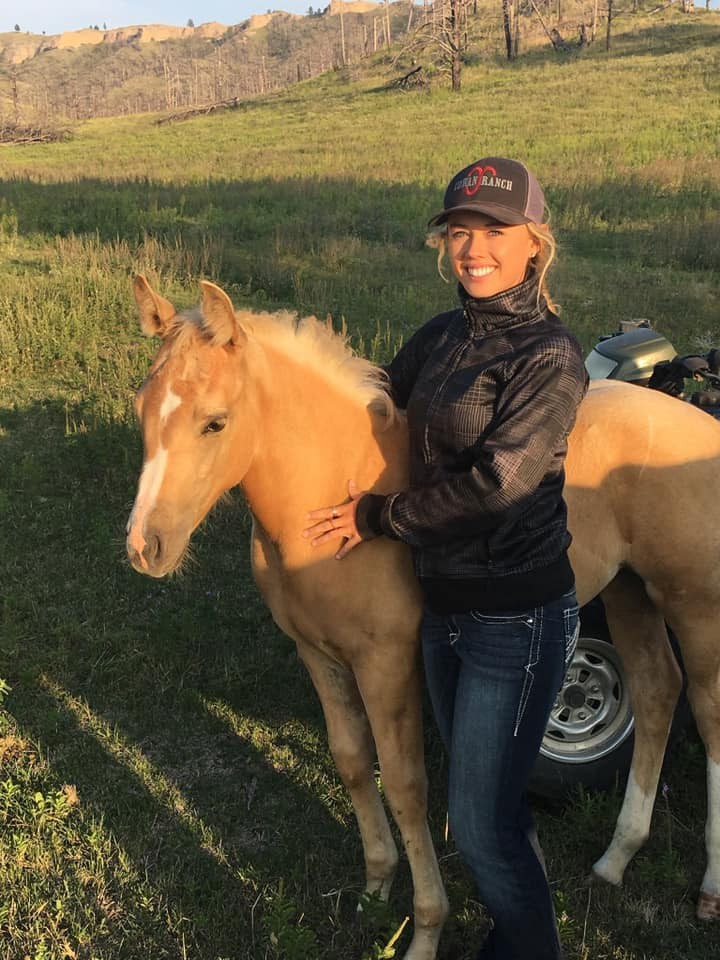
-
Many resources are available online and within your community, such as AgPlan.org, your local extension service, small business or community development office, financial professionals and other business owners.
Scherbarth 3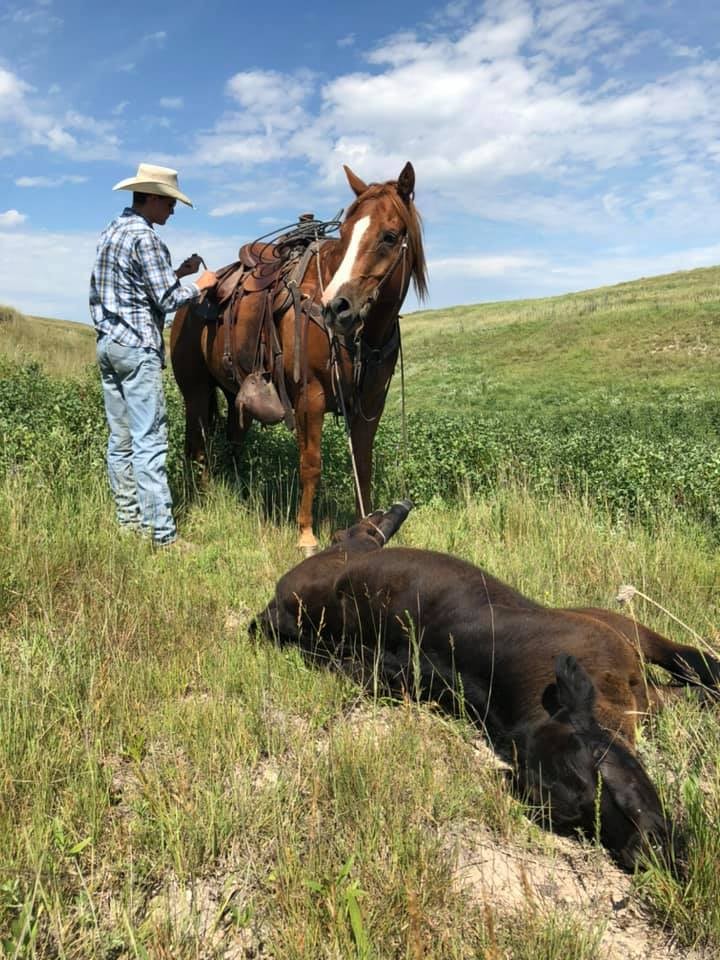
-
-
Your business plan should evolve as you learn new things, face new realities, or shift your definition of success.
Scherbarth 4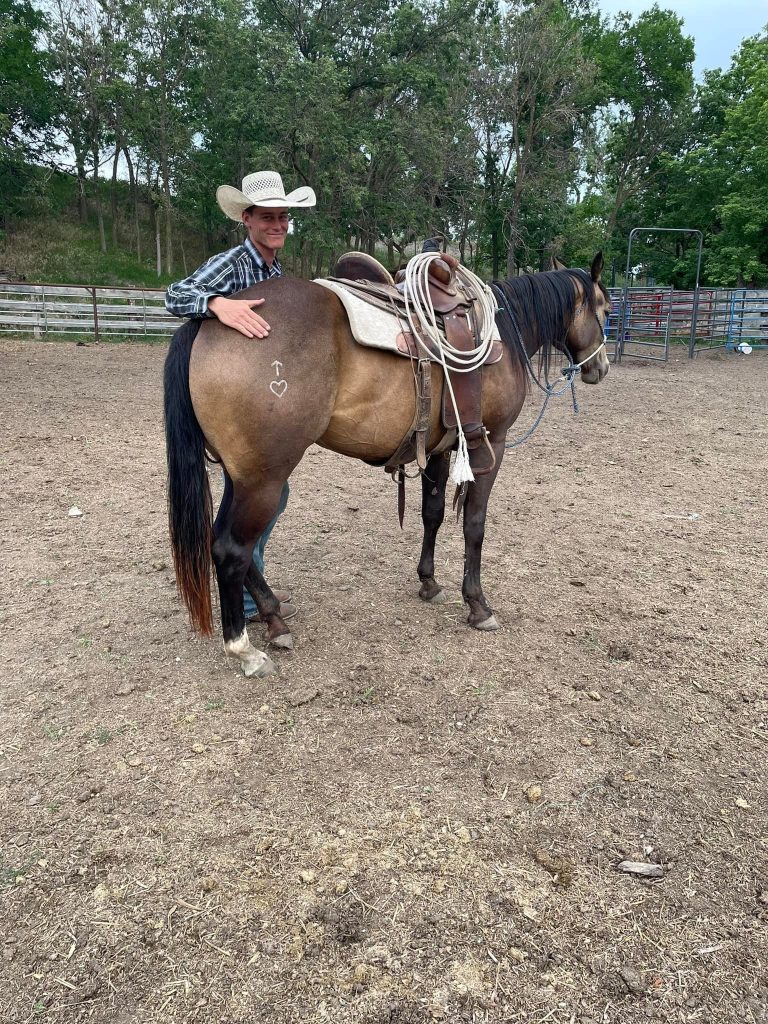
-
Your business should provide a solution to your customers’ needs.
Scherbarth 5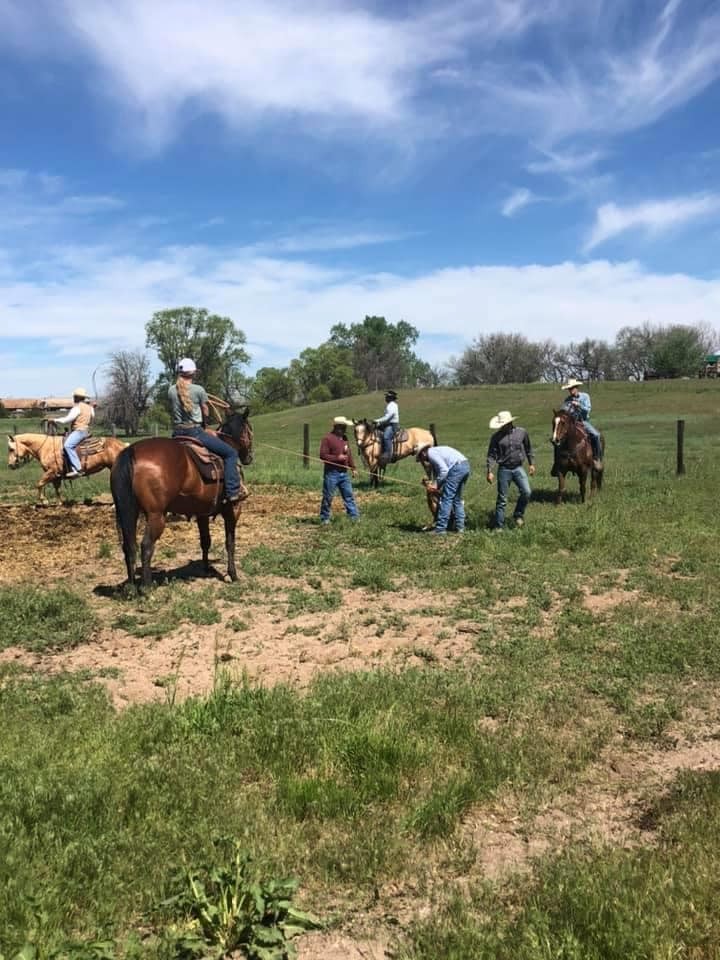
-
Finding mentors is key to creating a successful business in whatever facet of the equine industry you are excited about.
Scherbarth 6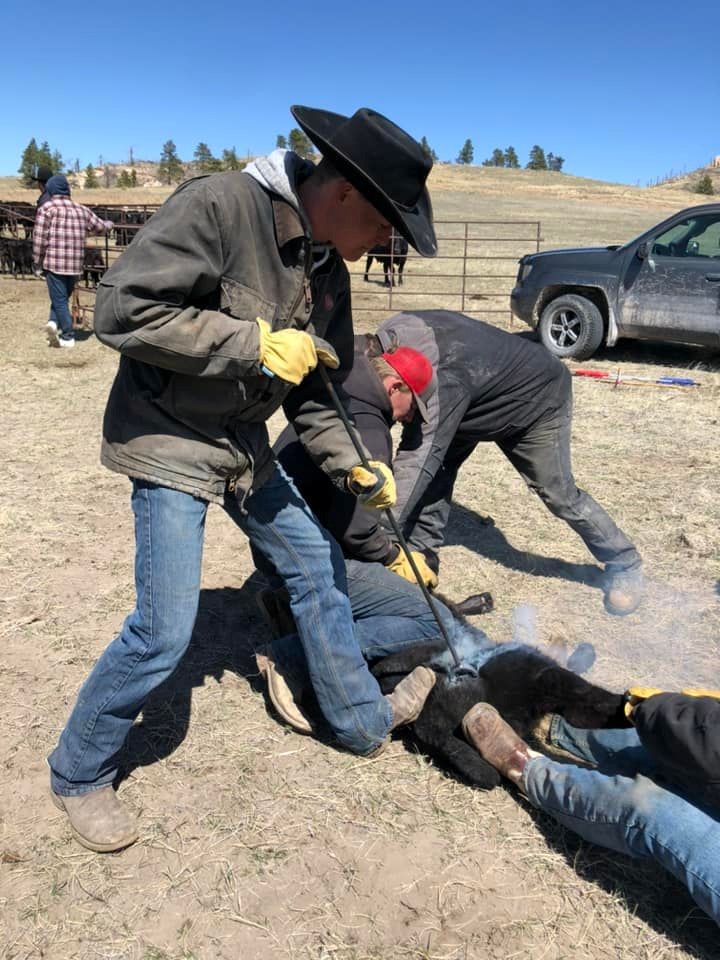
-
Establish a good relationship with your banker and others who directly help manage your money, such as partners or accountants, and keep them aware of your goals.
Scherbarth 7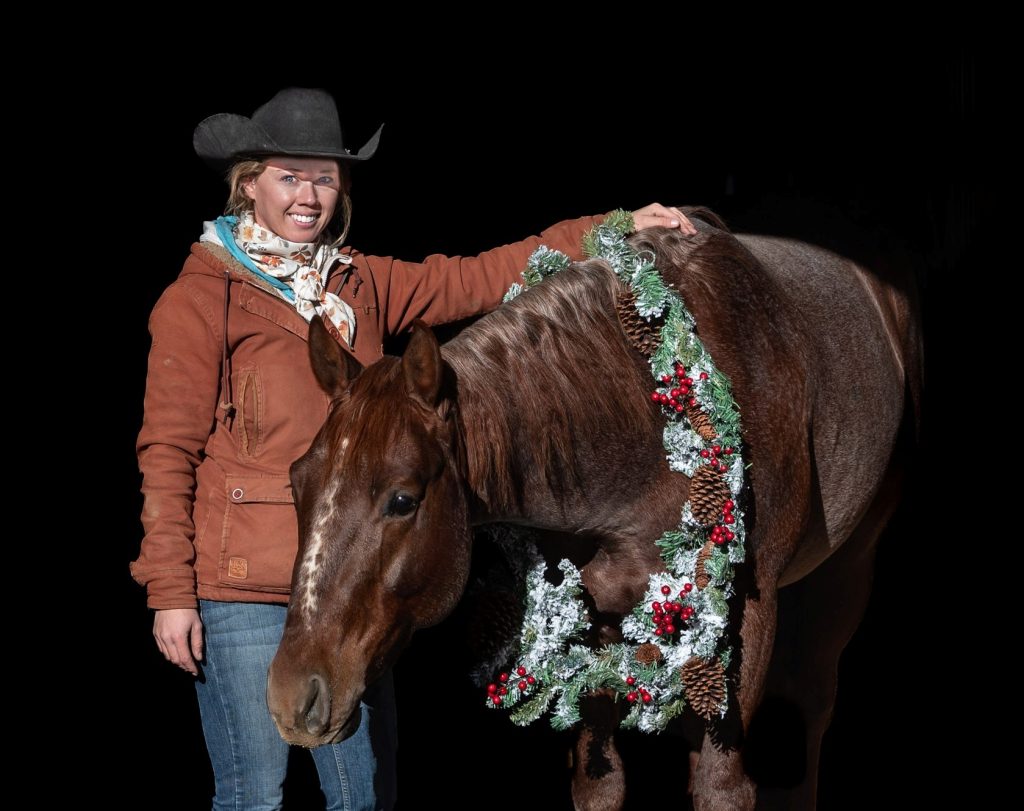
-
A horse trainer or breeder is often filling multiple roles such as customer relations, HR, vet work, marketing, bookkeeping, photography, videography and more.
Scherbarth 8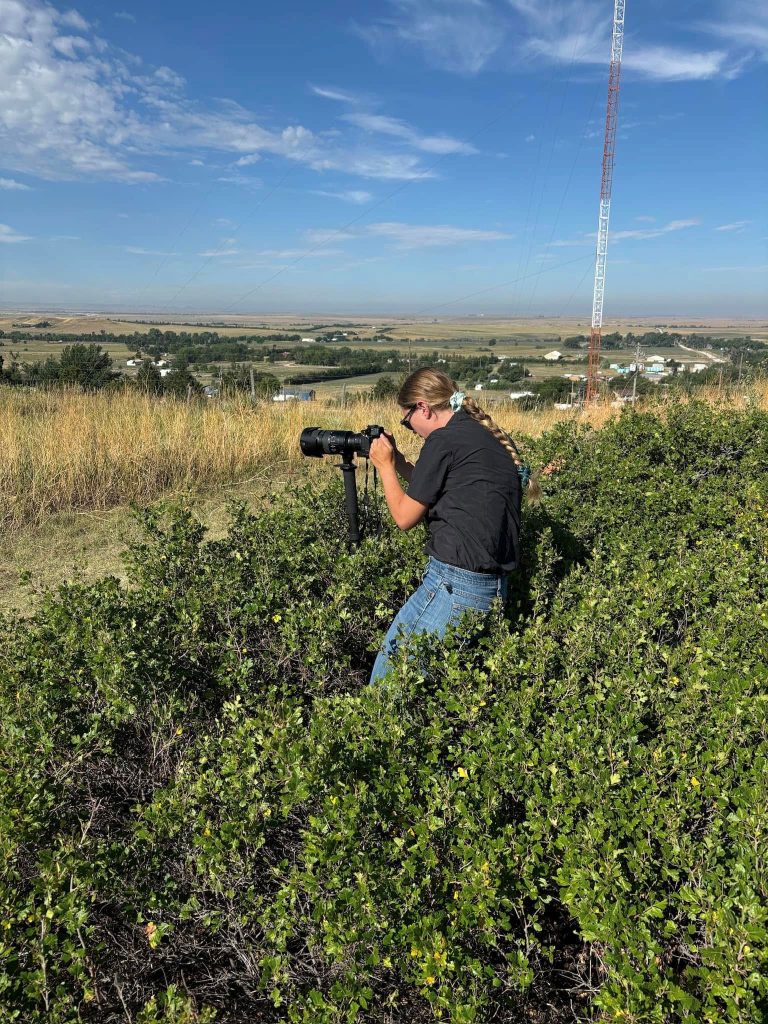
-
Your business plan can help you understand what you really want, and how to create a more stable business.
Scherbarth 9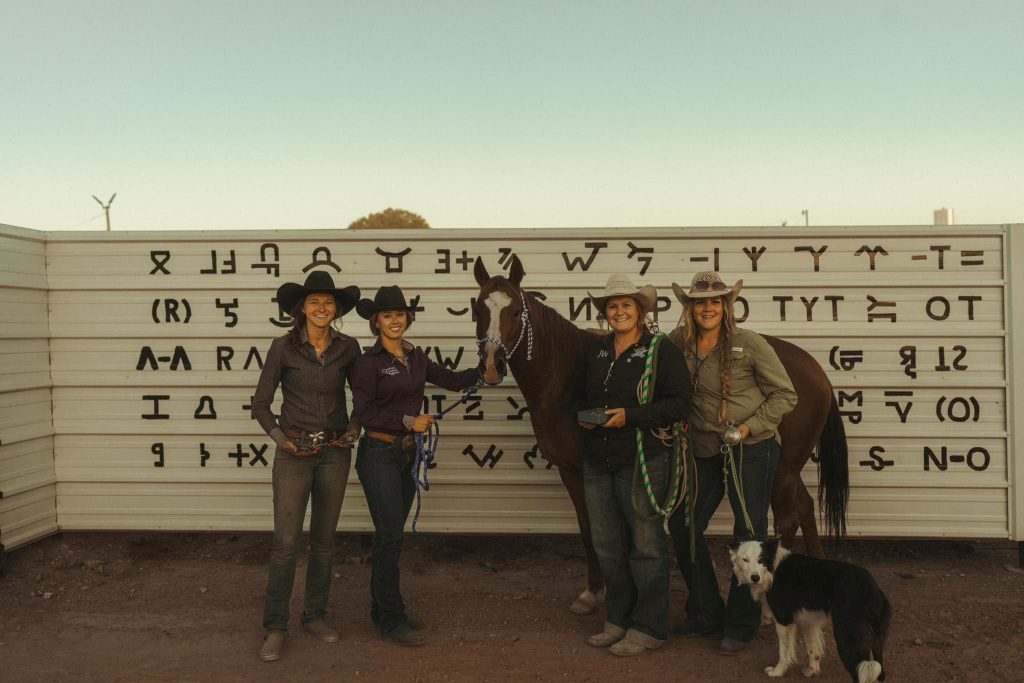
-
A good “life plan” is the key component to work in tandem with your business plan.
Scherbarth 10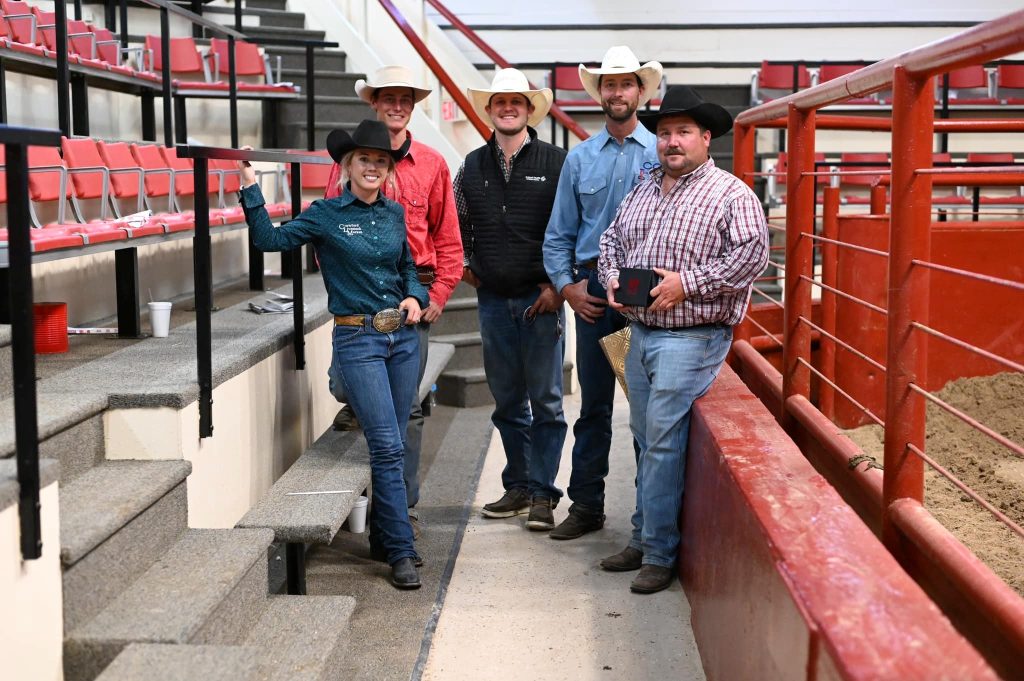
-
Good investments tend to pay off in the long term, whether you are purchasing a horse, upgrading a trailer, or investing in your education.
Scherbarth 11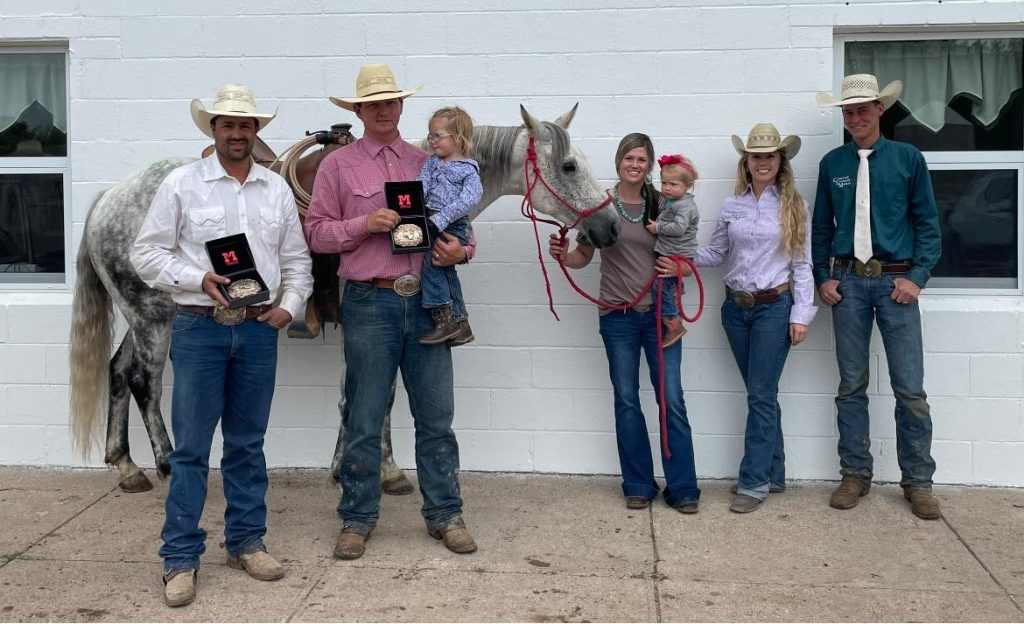
-
“There’s a whole network of support available to help you build a solid business plan, no matter what type of business you’re launching,” Kara Harders said. “The key is finding someone who understands your specific business model and personal goals.”
Scherbarth 12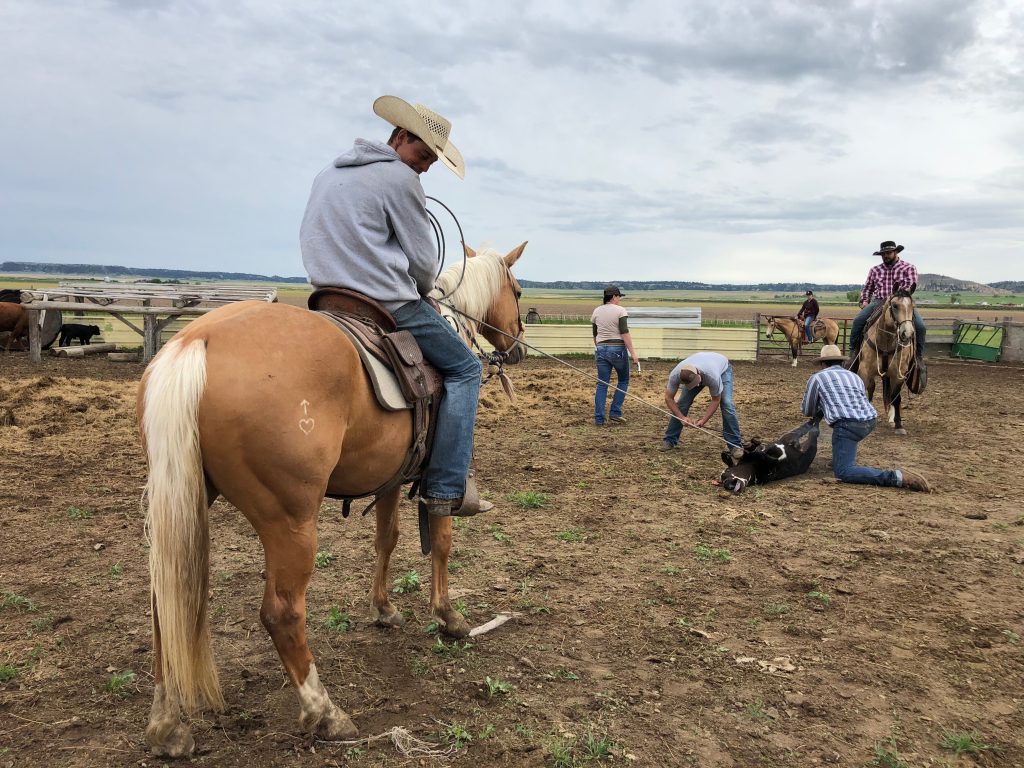
-
“I once had someone tell me, ‘Your dreams don’t matter in a business plan,’” Robin Scherbarth said. “But they do: you have to have projections about where you want to go.”
Scherbarth 13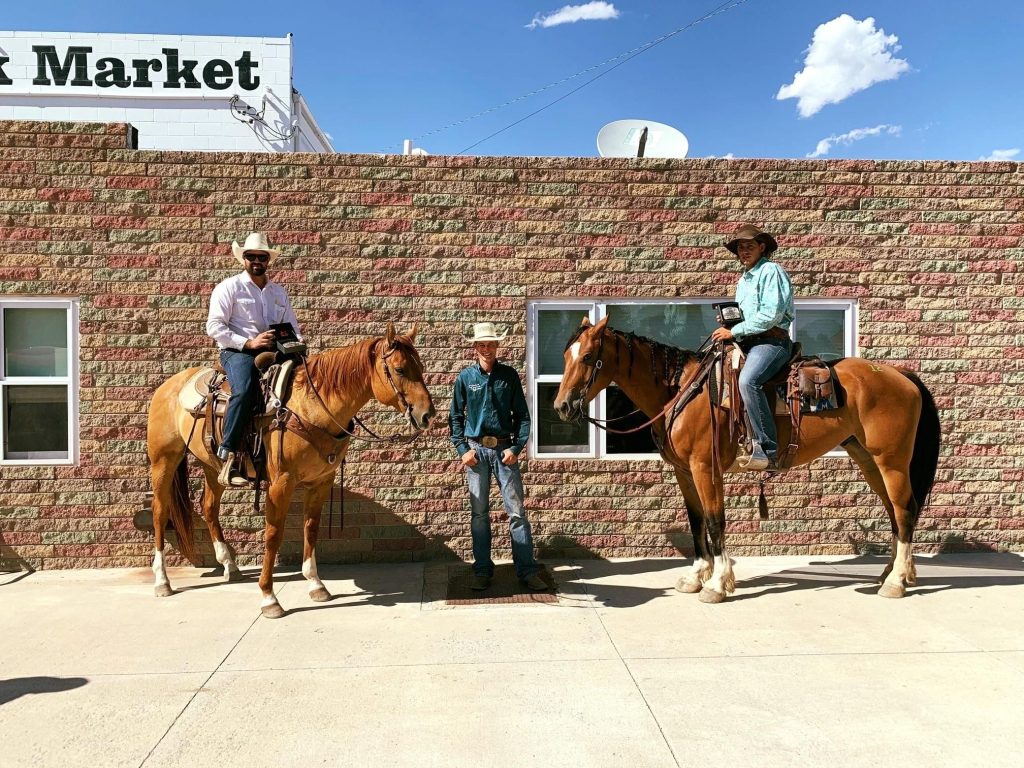
-
Learn from your failures, learn to recognize your limits, and adjust your business plan accordingly.
Scherbarth 14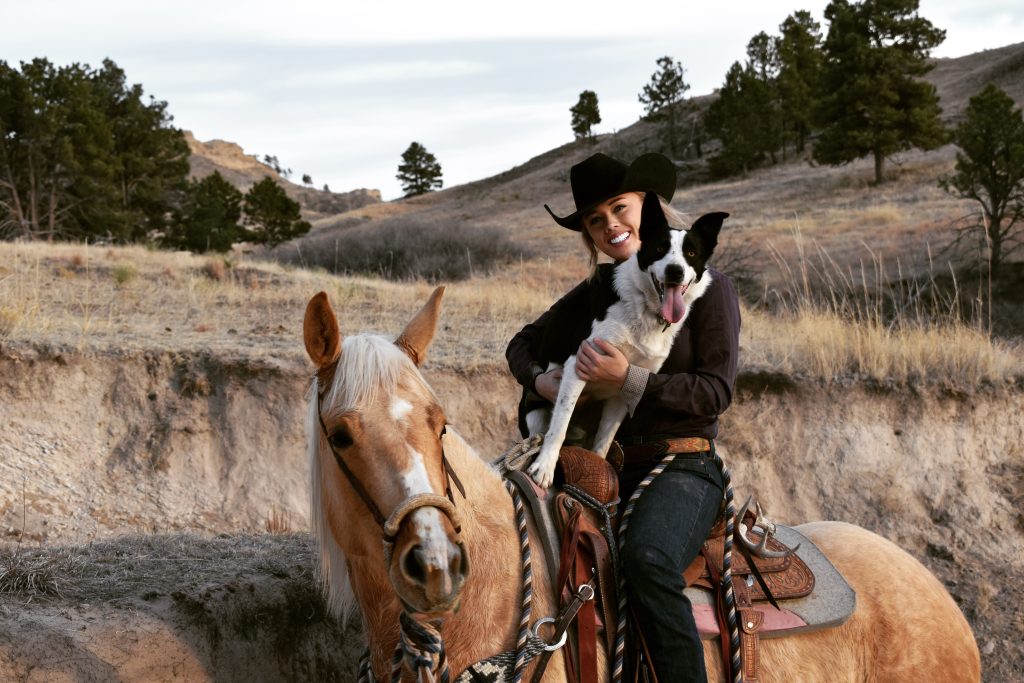
To create a business plan, you will need to identify key areas of your business, such as what goods or services you are providing, who your customers are, how you’ll reach them, what it will cost to operate, and how you’ll make a profit.
“You don’t need to write it all in one sitting,” Harders said. “Tools like the AgPlan platform and SBA templates are resources which can guide you section by section. I often tell folks to treat the first draft like a working document, not a final product. Get your ideas down and then refine them. Once you’re not staring at a blank page things get a lot easier!”
The essentials of a business plan include:
• Executive Summary (short overview of your business)
• Business Description & Goals
• Market Analysis (your customers and competition)
• Marketing Plan
• Operations Plan (how you’ll deliver your product or service)
• Management & Personnel
• Financial Plan (startup costs, budgets, income projections)
Harders recommends several ag-specific tools and resources available to help create a plan for any type of business.
• AgPlan.org is a free, customizable platform with templates specific to ag businesses. “This is my go-to, even for non-ag businesses,” she said.
• Extension specialists in your area can walk you through business planning one-on-one.
• Local Small Business Development Centers. Another set of specialists who can really help walk you through planning and identify needed areas of information.
• Financing entities. If you plan to seek financing, it’s good to know what they will want so you have an idea of what to include from the start.
“There’s a whole network of support available to help you build a solid business plan, no matter what type of business you’re launching,” Harders said. “The key is finding someone who understands your specific business model and personal goals. It is important to try to hear from a variety of sources. Even if you don’t apply what you learned from it, you know that it exists and is an option.”
• Small Business Development Centers (SBDCs) offer free one-on-one business advising and help with financial planning, market research, and plan development.
• SCORE provides free mentoring from experienced entrepreneurs.
• Community banks and credit unions often have business development officers who can give insight into what lenders look for in a plan.
• Economic development offices or local chambers of commerce can connect you to training, networks, or small business incentives.
• Online platforms like AgPlan offer guided templates with built-in prompts and examples.
• Other business owners are one of the most practical sources of information and real-life advice.
It is important to revisit your business plan at least once a year, preferably more frequently if you’re in the early stages of building your business, Harders said. Some examples of times to review your business plan could be a shift in your needs, business size, financial situation, competition, or personal goals.
“Think of the plan as a living document,” she said. “It should evolve as you learn more, face new realities, or shift your definition of success. Sticking rigidly to an outdated plan can hold your business back.”
It’s important to evaluate your plan to make sure you’re actually meeting your goals for your life and business.
“Start by defining success for you,” Harders said. “That includes financial benchmarks (profit margins, sales goals, expenses) and personal measures (work-life balance, fulfillment, flexibility, stress levels). Then put regular check-ins in place.”
• Review financials monthly or quarterly. Are you profitable? Are your costs in line with projections? How about compared to a year ago? Or five years ago?
• Track time use. How many hours are going to administration, production, marketing, etc.? Is that where you want your time to go? If you don’t count your time and pay yourself, are you still making money? Be realistic about what is a hobby and what is work.
• Gather customer feedback. Satisfaction and retention are key indicators of sustainability.
• Set long- and short-term goals and include them in your plan. When a goal is completed make note! If you decide not to complete the goal, write why.
“If your numbers look good but you’re burned out, or your time is maxed out and you’re still not reaching income goals, it’s time to re-evaluate,” she said. “Good planning includes building in ways to measure business success, but also whether your work is helping you live the kind of life you want.”
Robin Scherbarth and her husband Cody raise, train and sell their home-raised Quarter Horses, and manage the Legend Buttes catalog sale out of Crawford, Nebraska. The various aspects of their business enterprises have given plenty of opportunities for making use of business planning skills and tools.
Realistic goals lay the foundation for a business plan
“You need several goals,” Scherbarth said. “Set goals for one year, five years, ten years, and retirement goals. Knowing your end goals can help keep your business plan in line.”
Within this context, “it’s never a bad thing to dream big. A realistic goal could be good now, but in ten years, it might not be realistic. Start out with goals, know your basics, know your budget, and know how it could change.”
While you might have one plan you’re pitching to your banker, investors or partner, Scherbarth said it’s a good idea to have both maximum and minimum estimates in your budget to allow for either worst case or best-case scenarios.
“What if the horse sells for $20,000, not $10,000? Or what if he colics and needs a $10,000 surgery?”
Establishing a good relationship with your banker and others who directly help manage your money, such as partners or accountants, and keeping them aware of your goals is also important.
“We sit down with our banker several times a year,” Scherbarth said. “He’s also interested in horses, so when he sees us at a sale there are no surprises. If something unforeseen happens, we have a relationship with him.”
Personal connections are one of the greatest resources to your business, and finding financial professionals who support your goals is important whether your business is big or small.
“Don’t let someone belittle you for being in the horse business. A lot of people make their living in the horse business. It is such a multifaceted industry; whether you are a trainer or a tack maker or a breeder, there are ways to have a career in the horse industry. At the end of the day, whether someone is high on your goals or low on your goals, you have to stay strong to your values.”
“A lot of people make their living in the horse business. It is such a multifaceted industry; whether you are a trainer or a tack maker or a breeder, there are ways to have a career in the horse industry.”
– Robin Scherbarth
Scherbarth’s college marketing classes gave her the basics for building business plans for the couple’s enterprises.
“I need to solve a problem for my customers,” she said. “The first thing you should do is ask yourself, ‘What are we needing here?’ ‘What are the problems I’m trying to solve?’ If you’re a horse trainer in western Nebraska, you’re probably not going to find a demand for dressage horses. Maybe you’ll find ranchers who want horses they can put the miles on, but that also have a show horse handle. And then ask yourself, ‘How can I deliver that?'”
Once you figure out what problems you can solve for your clients, then go work for someone who is doing what you want to do, take advice from people in that facet of the industry, go to clinics or schools to learn from people you respect.
“You need to find mentors,” Scherbarth said. “When you’re coming from a place of honesty and learning and have a genuine interest in what they can teach you, most people will be glad to share what they know.”
Creating a business plan will require you to know your liabilities and assets, as well as what cash flow you can expect to generate.
“I once had someone tell me, ‘Your dreams don’t matter in a business plan,'” Scherbarth said. “But they do: you have to have projections about where you want to go. Start with a rough draft, and don’t take that to your banker or partner. Imagine yourself in the business you want to be in, set down short term and long-term goals, and once you have a rough draft that’s when you start asking questions.”
As you ask questions and learn from people already in the industry, revise your plan.
“About the fifth draft is what you take to the banker,” she said. “When you get to the point of sharing your business plan with others you need to have your goals tattooed to your forehead. Other peoples’ opinions can get really overwhelming if you don’t stick to your goals and values.”
Seeking advice from mentors is different from allowing people’s opinions or criticism to sway your decisions, Scherbarth clarified.
“You can’t put every single person’s opinion into practice, so you have to be strong in your goals. I once heard a quote to the effect of: ‘If you wouldn’t trade lives with that person, do you need to accept their criticism?’ But if there are a lot of things you admire about what they are doing, their ideas are worth consideration.”
Once you’re clear on your current assets and liabilities, make a list of what you will need to purchase to get your business up and running. Will you need different saddles to fit client horses? Will you need breeding or vet supplies? It’s also a good point to go through and consider whether you can “clean house” and liquidate any current assets that won’t be necessary for the business you plan to establish.
Next, get clear on the market for your product or service.
“A market analysis is a key component of your business plan,” Scherbarth said. “You need to understand the market where you are physically, and what people want to spend. If you don’t understand your market, you don’t know what you need to know to create an accurate cash flow. This might involve going to horse sales to find out what people are selling their colts for or researching what other people charge for training.”
College marketing classes also taught Scherbarth to do a SWOT analysis.
“SWOT stands for ‘Strengths, Weaknesses, Opportunities and Threats,'” she said. “Maybe your strength is that you’re a good trainer, but your weakness is that you’re not good at talking to people. Maybe you have an opportunity of a career in high demand but the threat of living in an area where the cost of doing business is higher. Many bankers or investors might ask you for a SWOT analysis. It is a key component to most business plans.”
When you have your SWOT analysis, you can start adding strengths and figure out ways to cross off weaknesses as you move forward.
Another facet to prepare for your banker is an exit strategy.
“If we have to sell out, will we be upside down before we get started?” Scherbarth asked. “It’s also important to know what your fiscal year is, when you will have cash flow and when your biggest expenses will be. You don’t want to panic in times of normal expenses, but you do need to know when money comes in if it’s enough or if you need to do something different. Maybe one of the colts you planned to sell gets hurt –can you sell a brood mare? Or take in another horse for training? There are times to be calm and times to really dig deep and look for answers.”
Equine business owners are often required to fill roles in multiple arenas at once, Scherbarth said. A horse trainer or breeder also has to be doing customer relations, HR, vet work, marketing, bookkeeping, photography, videography and more.
“You need to understand ahead of time what is going to be asked of you in this business,” she said. “Good relationships with other businesses that can help are important. I pay my friends for services, and they pay me for my services.”
A good “life plan” is the key component to work in tandem with your actual business plan, Scherbarth said. Good investments tend to pay off in the long term, whether you are purchasing a horse, upgrading a trailer, or investing in your education.
“I might be the odd one out, but the times I’ve made the most money are often the times I’ve spent the most,” she said. “Have a plan for any profit you make, including finding other ways to invest that money. Recognize when you hit a plateau in your business; that can be a good thing. We hit our limit in our breeding business as far as the number of mares we can maintain.”
Scherbarth encourages people to pursue their goals, keep learning and take risks.
“Chase your dreams, you only have one life to live,” she said. “It sounds cliché, but learn from your failures too. There are not many opportunities where the highs will be as high or the lows will be as low as in the horse industry. I can’t imagine my life any other way, and I have met some of my best friends because of the horse business.”
Losses and devastating setbacks have been part of Scherbarth’s experience too.
“I don’t want anyone thinking it has been all success for us either,” she said. “We have lost a lot. When it comes to that horse that had a career-ending injury or when your truck broke down, you might sit down and ask God, ‘Is this the final sign?’ but that’s between you and God.”
At the end of the day, the equine industry is incredibly rewarding.
“Find the successes. Even if you did 10 things wrong you can find something you did right. This is an industry fueled by passion and you have to have that behind you to proceed,” Scherbarth said