2026 Winter Cattle Journal | Milton Ranch: Community, Cooperation, Conservation
-
Montana’s Milton Ranch received the 2019 Montana Leopold Conservation Award.
Milton 1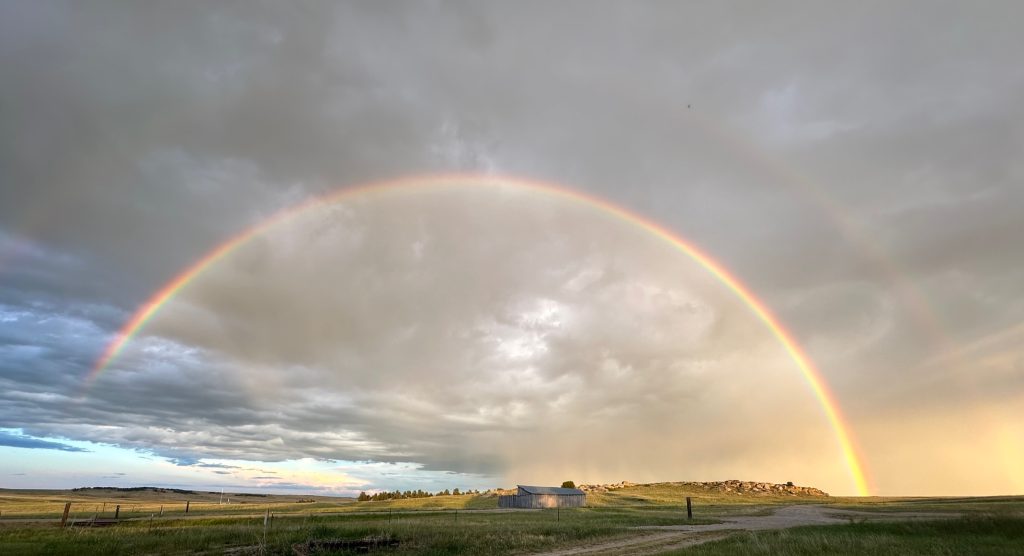
-
Miltons began collaborating with federal and public land managers early on to develop rotational grazing strategies and better water sources on their ranch.
Milton 7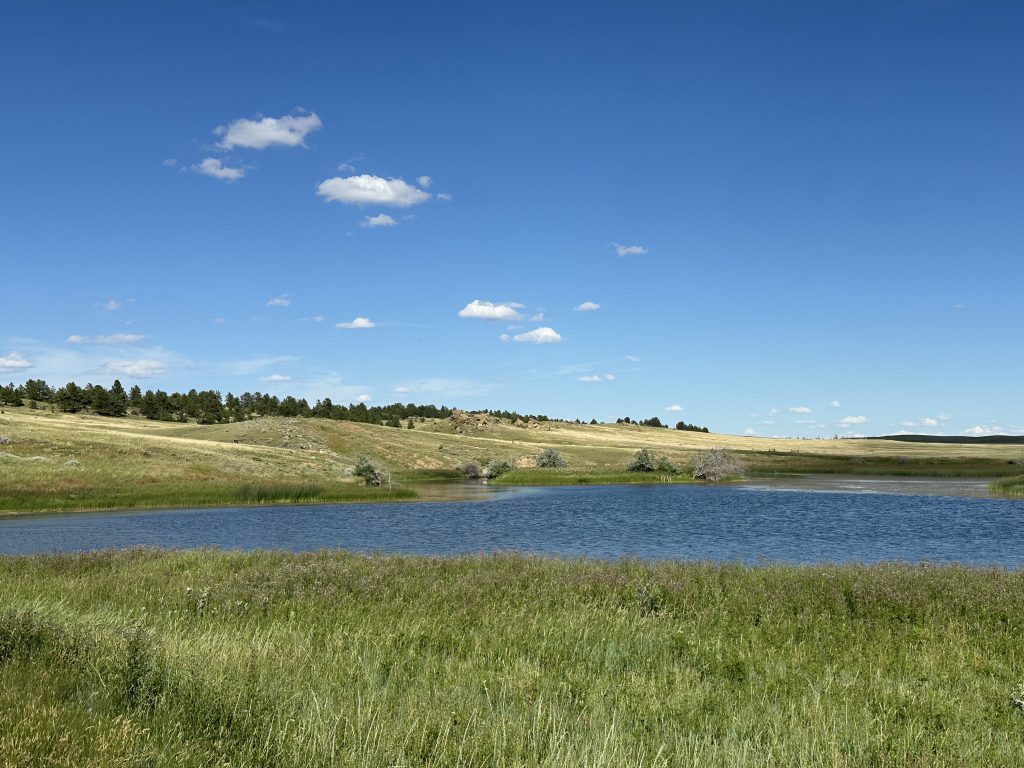
-
Bill Milton spent his childhood on the Beartooth Ranch, which later became a wildlife management area.
Milton 4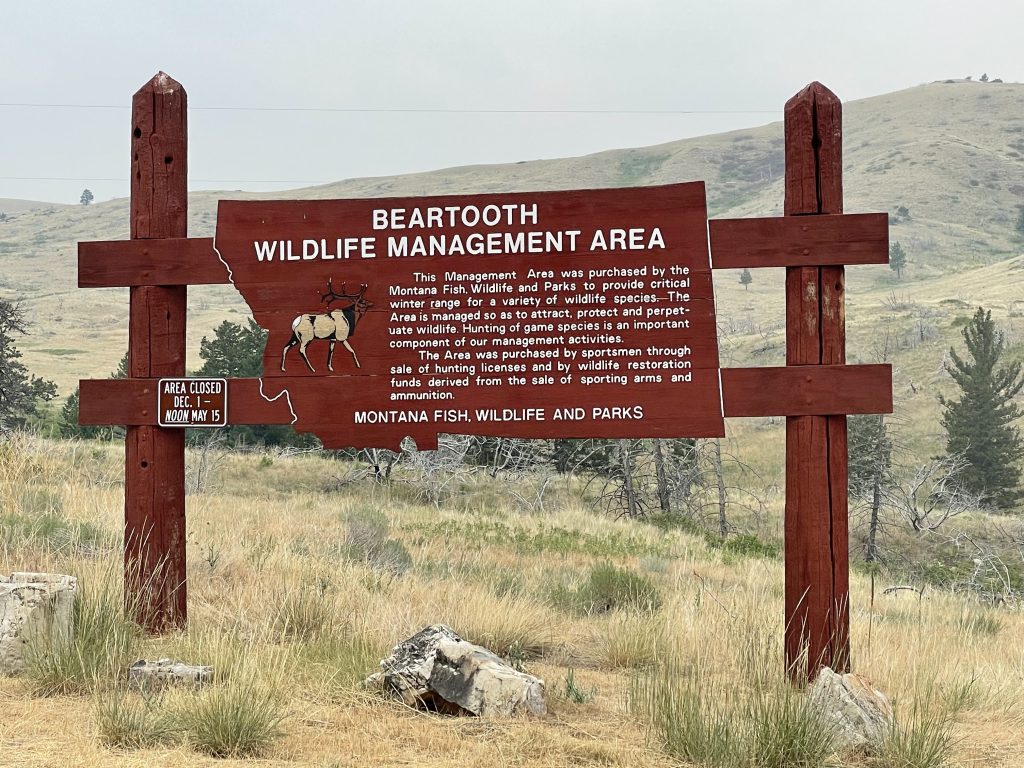
-
-
Bill and Dana Milton take a “landscape approach” to ranch management.
Milton 8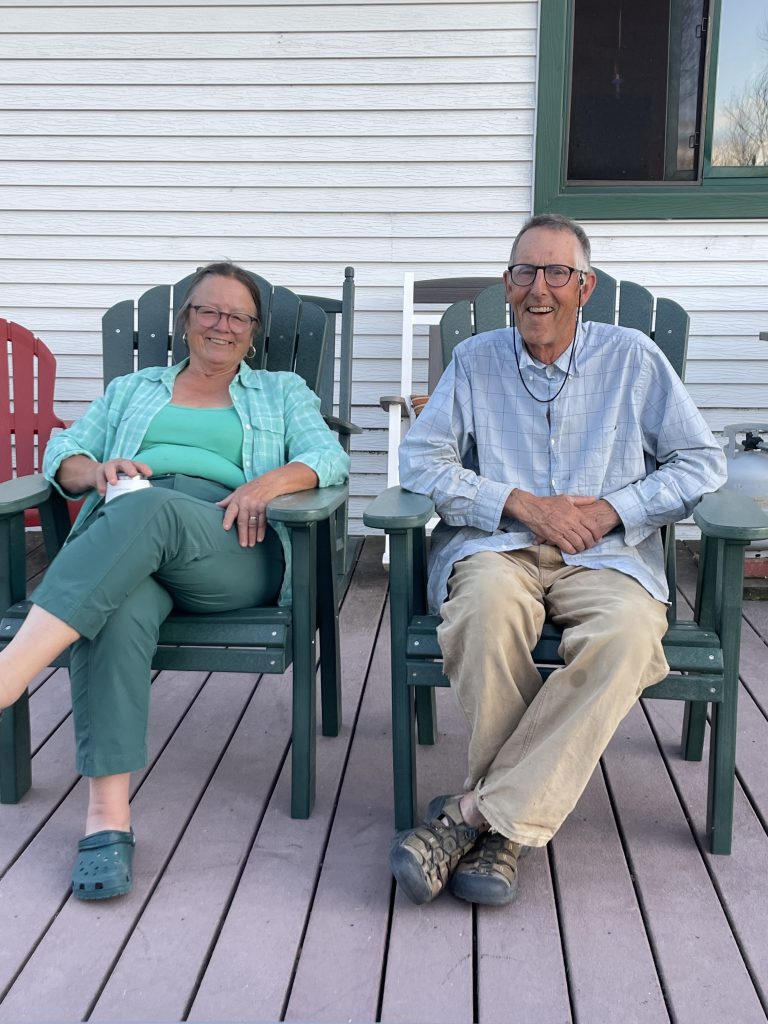
-
Cattle are moved to new grass frequently, but the management strategy allows for flexibility when weather conditions are adverse.
Milton 9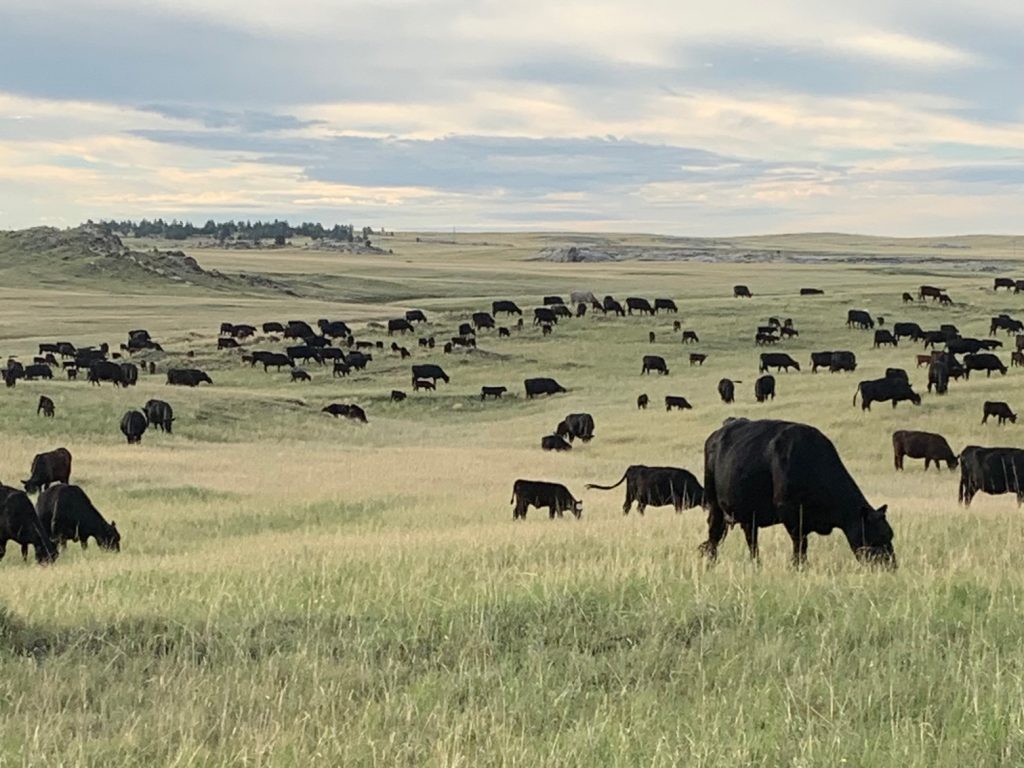
-
Milton 12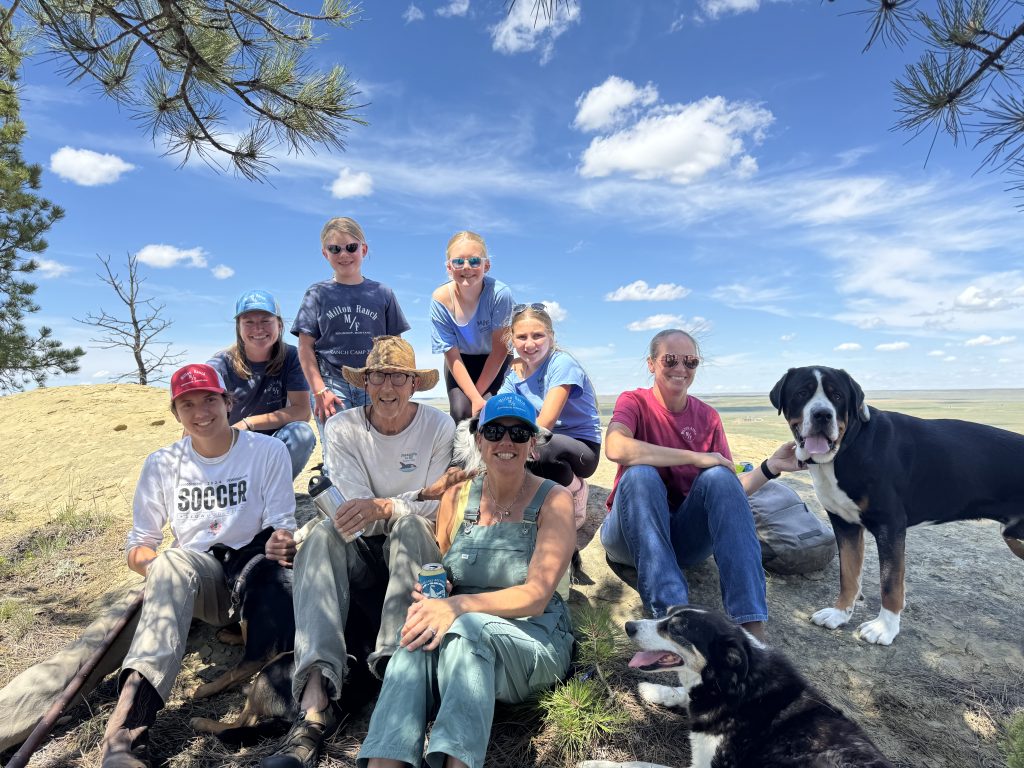
-
“I love the constant, daily engagement with the rhythm of the seasons and the cattle.” – Bill Milton
Milton 15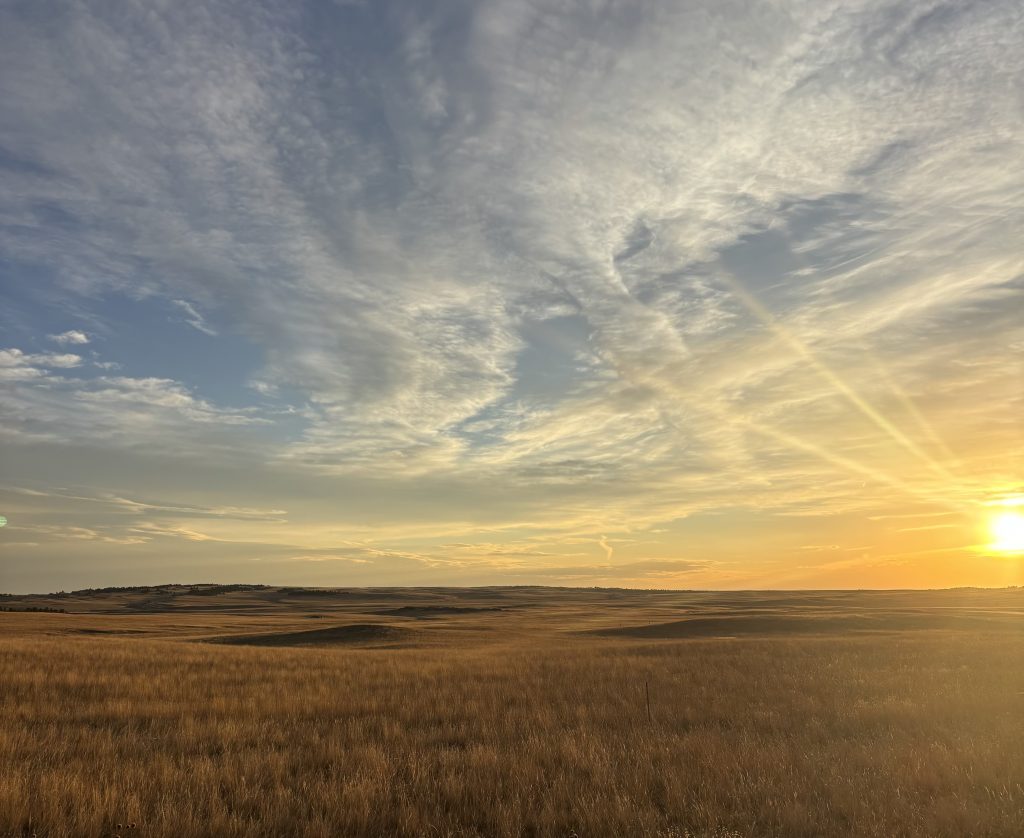
-
Generations are working side by side on the Milton Ranch.
Milton 5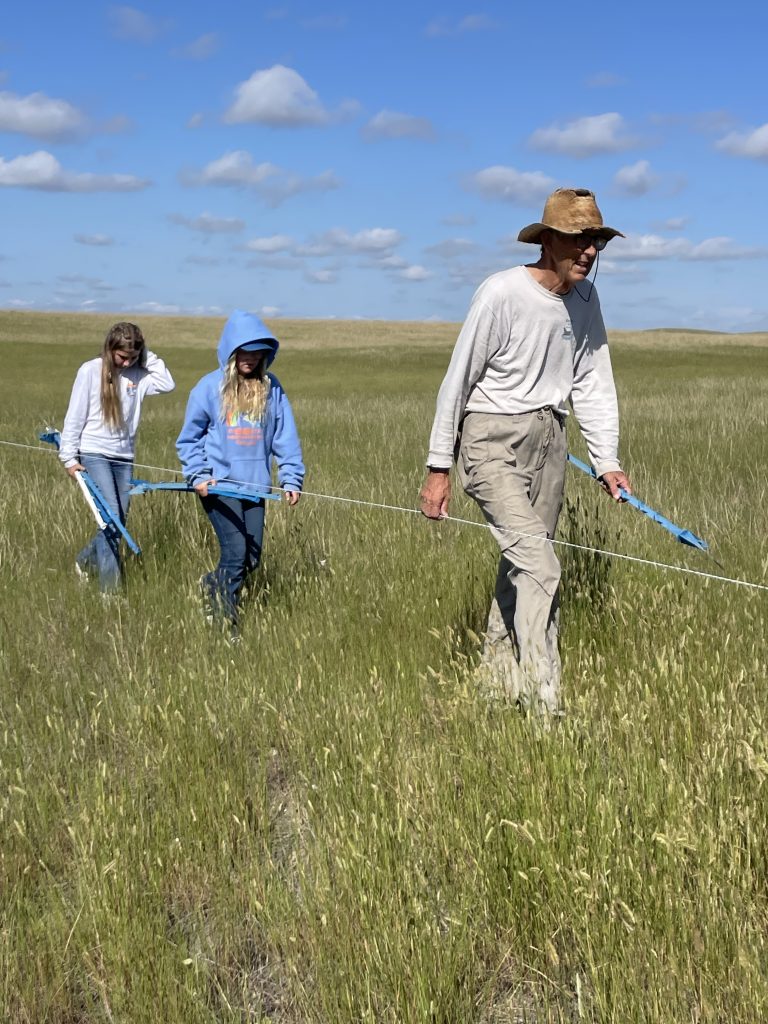
-
Bill and Dana bought their ranch in 1978.
Milton 6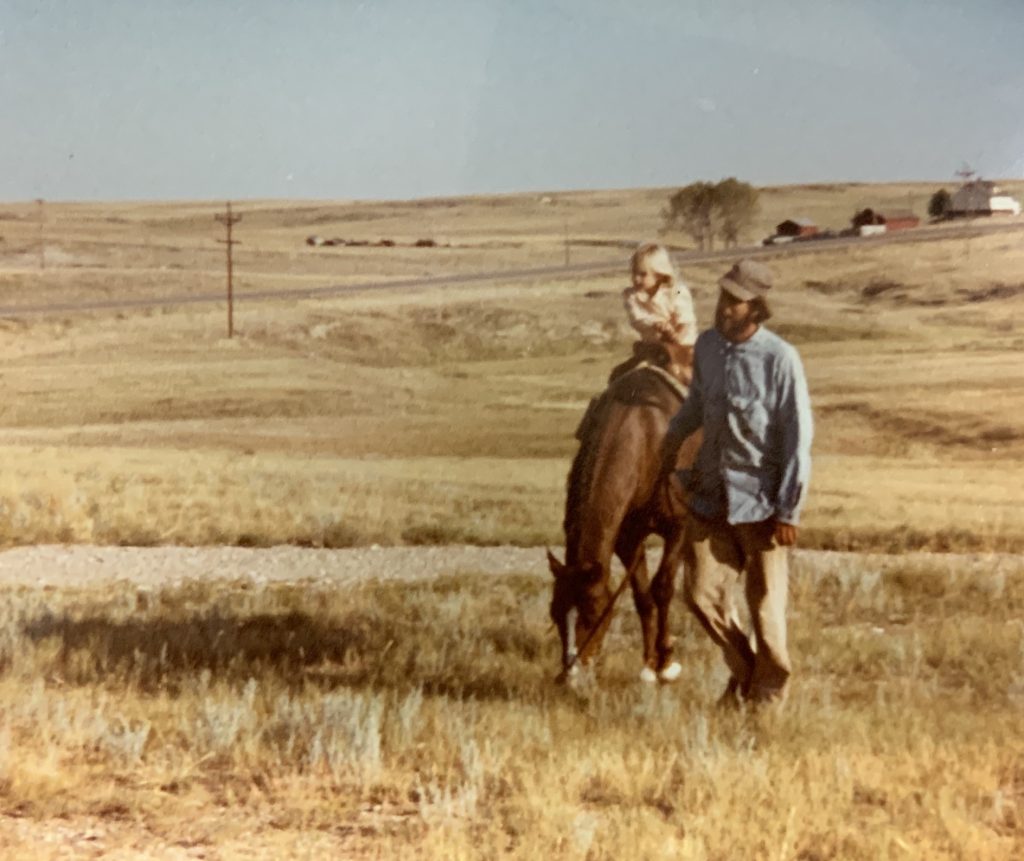
-
Miltons run smaller framed cattle that fit their range conditions.
Milton 3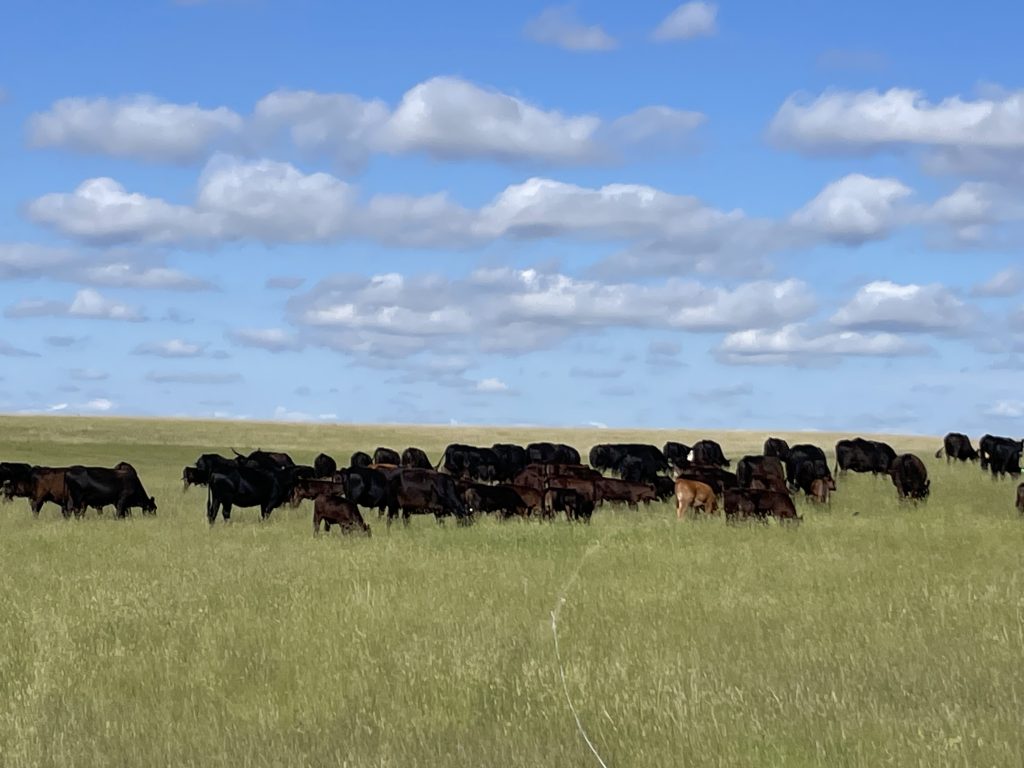
Bill Milton’s boyhood days on the Beartooth Ranch near Wolf Creek, Montana, instilled a love of land and animals that eventually brought him back to ranch life.
“My dad bought a ranch in Montana in 1956; I was seven at the time,” he said. “It was quite a beautiful place to grow up, a large ranch with lots of wildlife. The experience certainly shaped how I looked at land and people, and a strong work ethic and values were implanted during my teenage years on the ranch.”
Bill’s father died before most of the children were old enough to take over a ranch, so it was sold, ending up as a Fish, Wildlife and Parks game range. Bill worked around on some other ranches, attended Montana State University 1967-1969, and then transferred to the University of California-Berkeley.
Bill learned about Aldo Leopold’s Land Ethic while in college. Starker Leopold, the eldest son of Aldo Leopold, was a professor at Berkeley while he was a student there.
“I did a wildlife project under his support,” Bill said. “At that time, there were a lot of things going on between civil rights issues, the Vietnam War, and Earth Day.”
The Natural Resources program at UC Berkeley was still new.
“They started the Natural Resources program in response to an upsurge in environmental concerns,” Bill said. “It was quite a cool program but they hadn’t figured out what it should be yet. I was doing a series of independent studies the whole time.
Bill and Dana Milton met in California and spent time working on other operations before they bought their place.
“My wife and I spent a couple of years in New Mexico in a small rural community where we worked with a lot of Spanish landowners,” he said. “It was a ‘backwoods’ place but it was great; they still did some farming and still hayed with horses.”
Bill and Dana decided they needed to find a ranch but looked for quite a while before they were able to find something. They returned to Montana, as Bill still had family and connections in the area where he grew up.
Bill worked on the Sieben Ranch owned and operated by the Baucus family under their head sheep manager for two years.
“It was and still is a great operation,” he said. “He taught me to understand sheep. We trailed bands of sheep into Lincoln county across the Continental Divide. I oversaw the lambing camp the second year we were there.”
When Miltons bought their own ranch, they started out running sheep and cattle.
“We looked all through the 1970s,” he said. “We bought this place while the prices were still really high, right before they took a dip in the 1980s. It would have probably been worth about two thirds of what we paid if we had waited a couple of years.”
Miltons bought their ranch in Musselshell County in 1978. They were able to purchase cattle from the people they bought the ranch from and brought sheep from the Sieben Ranch.
“We had a daughter and ended up having two more kids, and things just took off from there,” Bill said.
A few years later they had an opportunity to expand when the Griffith ranch to the east sold a portion of the place.
Bill and Dana brought a conservation mindset to their operation from the beginning.
“We use livestock to take care of the land, we would not be in a position where the livestock were harming the landscape,” Dana said. “They’re a tool for us to use to increase the health of our landscape.”
“I was often accused of being more interested in the plants than the livestock,” Bill said. “I think I have arrived at a good balance. I have always been an amateur botanist and an amateur bird guy.”
Their ranch included BLM land, so management practices involve working with federal land managers. The grazing district had a template for making adjustments in stocking rates.
When they added land purchased from the Griffith Ranch, Miltons invited Soil Conservation Service range specialists out to explore doing more water development.
Miltons learned about Allen Savory and took his classes on ranch management in Albuquerque, New Mexico, in the mid-1980s.
“That was an eye opener to a different approach,” Bill said. “We kind of bought into it. A lot of us in those early years maybe bought in more than we should have into the concept of smaller paddocks and higher stocking density and more intensive grazing with more time for recovery.”
In his classes, Savory focused on managing animals within the ecology of the landscape.
“It has taken us our full career to gain a good financial understanding,” Bill said. “I think taking care of our businesses is equally as important as taking care of the land. If we are not good at taking care of finances, we will fail at taking care of the land.
Although some people were upset by Savory’s ideas, Miltons continued implementing them.
“We stuck with using a holistic approach to management planning. I think it gave us a really solid approach to maintaining quality of life, knowing what we need to do in terms of production, and knowing what we need in the landscape to support that level of production.”
From the earliest days after Miltons returned to Montana, they built experience having conversations between ranchers and others.
“Even back in the Sieben Ranch days, we were working with a Northern Rockies action group dealing with wolves on grazing lands, and we had conversations going on between non-profits and traditional ranches,” Bill said.
Forty percent of the Milton ranch is public land, so they questioned how they would incorporate Savory principles when it came to putting up more fences and developing water sources on public land.
Typically, their permits allowed them a certain number of AUMs for a season, with certain days set in advance to go in and come out of a pasture.
“David Jaynes, out of the Billings office believed in us,” Bill said. “The senior staff thought our idea was totally ridiculous, but David trusted us. John Rouane, who worked for the Soil Conservation Service (SCS, now called the National Resource Conservation Service/NRCS) believed in us too.”
It took three years of discussion to agree on a plan.
“It was an early collaboration between agencies,” Bill said. “We formed a group with the SCS (NRCS), the BLM, and the local Fish, Wildlife and Parks biologist. We had to show that we weren’t going to screw up the wildlife by what we were doing.”
When they were finally ready to start water development, Miltons were able to qualify for a SCS program to help with the cost.
“They looked at the whole ranch and the economics of the project 50 years ago,” Bill said.
The BLM required Miltons to have a grazing plan before they started, to keep track of all their moves, have a dormancy plan for winter, and hire an unbiased neutral person as a range consultant to do professional monitoring.
“From the outset, all parties involved knew that this range consultant was going to document whether we were taking the range forward or backward,” Bill said. “Today, we probably have more grazing management data and trend analysis on this ranch than on any ranch in the west.”
Thanks to decades of data, the BLM has increased Miltons permit numbers.
Miltons have worked with many wildlife organizations through the years.
“There are a few groups in the country who are constantly challenging existing grazing permits. I just want to sit down with them because we have documentation that well managed grazing improves the land for wildlife. The data we have accumulated over a lot of years is pretty solid.”
Miltons were able to start implementing holistic grazing management practices in the early 1990s.
Bill encourages other landowners to monitor their pastures and keep track of what they find and learn.
“Some people are not excited about monitoring because they might see something not so good,” he said. “No one has done everything perfectly; we do make mistakes. Monitoring shows us how our range can be better.”
Over the years Miltons looked at alternative market options to help keep the ranch profitable.
“We always looked at options other than just selling commercial products from the ranch,” Dana said. “We were early members of Country Natural Beef, and still market all of our beef through that cooperative.”
Prior to the internet marketing era, Dana started a handspun yarn company.
“Dana is an artist, even before the yarn business she was a weaver and a spinner. She hired a pretty significant number of employees; it was a crazy mix and they were all making money,” Bill said.
“I had women in town spinning yarn from our Rambouliet sheep. If we had waited for the internet and could have marketed the yarn more easily, we would probably still have a band of sheep,” Dana said.
Although Miltons currently only run cattle, sheep may come back to the ranch someday.
“Dana, like any ranch wife, has played an outsized role in keeping me, the family, and the ranch afloat,” Bill said.
“We look back and wonder how it all worked,” Dana said.
Dana’s favorite place was the night shed during lambing season.
“I loved it,” she said. “It was just me and all the sheep. They were inside the barn and it was so peaceful. Bill got stuck in the house with the small children, and I went to the lambing shed.”
Dana still grows a big garden every year.
“People think ranchers just do cows, but growing food in a big garden is one of the more essential enterprises of the business,” Bill said.
Winnett ACES
Successful ranch management is more than having a good plan. Community, whether neighbors, government agencies or non-governmental organization partners, is vital to success.
“One of the thread-lines of our story is that you need community, partners, networks, vendors and neighbors. We have a program and we try to be accountable and responsible, but we wouldn’t have achieved much without help along the way,” Bill said.
Central Montana embodies the definition of “rural.” Winnett, the county seat, is a town of fewer than 200 people. It’s the only town in Petroleum County, the least populous county in Montana, with under 500 people. But the people who live there embrace community. Winnett ACES (Agriculture Community Enhancement and Sustainability) is a rancher led non-profit formed in 2016. The group has collaborated on projects such as putting local beef on the table at the Winnett school and is working to create a grassbank opportunity to expand grazing opportunities for young and new ranch families.
Winnett ACES works in partnership with many entities, including the Ranchers Stewardship Alliance, World Wildlife Fund, The Montana Nature Conservancy, Western Landowners Alliance, Montana State University, Plank Stewardship Initiative, USDA NRCS, Montana Watershed Coordination Council, Central Montana Foundation, Northwest Farm Credit Services, National Fish and Wildlife Foundation, US Fish and Wildlife, and others.
“Part of the reason for doing that is telling our story to the larger public,” Bill said. “In this area in central Montana, most places are still operated by family ranchers. We need to document the work we are doing to take care of the land while also taking care of ourselves and our community. A lot of people are concerned about the environment and how our food is produced, and non-profits are becoming important vehicles for helping expand that story.”
ACES is a fiscal agent for the Rangeland Monitoring Group, a collection of local ranchers who share annual monitoring data. ACES has helped raise resources to support a professional range specialist to collect monitoring data.
“The most useful people to help in your business are other ranchers,” Bill said. “When different parties can get together about how they are managing their ground, you leverage the collective wisdom of all these players.”
The Life in the Land documentary on Central Montana, filmed in 2021 and directed by Lara Tomov, did a wonderful job of highlighting this ongoing collaboration.
“One particular ranch is not as important as a community of ranches telling a story of a shared place. If your neighbors and community are not healthy, your ranch will not survive,” Bill said.
Miltons believes ranchers need community.
“Ranchers can get isolated,” Bill said. “We need to have our communities and we need to have everyone in our communities be successful. We have been here 45 years and all the ranches around us when we moved here are still ranching. We are probably the last family in the neighborhood transitioning the ranch on to our kids in a formal way.”
Community members sitting down together to talk about how to navigate changes are the key to future thriving, Bill believes.
“It has been exciting to be part of the Ranchers’ Stewardship Alliance (ranchersteward.org) and Winnett ACES,” he said. “Those things give me great joy. We care about our community, our kids’ education, human health, our grass, the wildlife. These groups are about collectively leveraging our resources and wisdom to benefit our whole community, taking care of each other and having fun.”
Succession Planning
Through the years, Bill has helped many families work through succession planning.
“When you have a group of people responsible for a piece of ground and tied to it in one form or many, you need to create a conversation for everyone to talk about what’s important to them, what the needs and values are. Eventually people can take that honesty and start transitioning that into a plan, but it is really good to invite professional people into the conversation at the right time. A facilitator’s job is to set up a safe space for people to have these conversations.”
Bill asks questions to help understand the unique issues for a family he’s working with.
“People need to identify what is important, what are the threats, strengths, weaknesses and opportunities; from that you can build out a tangible plan.
When it comes to estate planning, “Every family, ranch and farm is unique,” Bill said. “Where there is conflict in the family or not, people need to hear each other, you need to establish safety and trust to hear each other. After that you can get creative and imaginative.”
As Miltons work through succession planning for the ranch, they have brought Bill’s two nieces into the picture along with their daughter Moria and their two sons.
“The last thing most people want to do in succession planning is bring more people to the table,” Bill chuckled. “My nieces have been coming and bringing their kids ever summer to our ‘ranch camp.’ These are my younger brother’s daughters; they have a really genuine interest in the place, the land and the ranch as a grounding place for family members.”
As the succession planning is progressing, Moria and her cousins are “taking over a lot of the flow of decision making pieces,” Bill said.
“It works because of the personalities involved,” Moria concurred. “They are fully engaged in their own lives and careers, but because they have a tie to the land we are able to capitalize on that and bring them into the fold. It is unique, but because of who they are I think it will be very successful.”
Moria is excited to return to the ranch and the community where she was raised.
“I’m excited to be able to go out every day, see the landscape and how it changes,” she said. “When you only visit a couple of times a year it is not the same.”
After growing up on the prairie, Moria (Milton) Perez wanted trees, so she attended college in Vermont. A career as a paramedic and fire chief has kept her busy, but she plans to return to the ranch in about a year.
“I don’t think I appreciated the ranch till I left for college,” Moria said. “I came back summers and really learned to appreciate where I came from and the connection to the land.”
Although she has been in Connecticut for 27 years, “Montana is and always will be home for me,” she said. “It is hard to explain the connection to the land and this way of life. It is harder than most things and no one gets rich, but I think growing up on the ranch prepared me well for my job at the fire department. When you grow up in ag you have a lot of grit and pragmatism, and it built a lot of skills that help me in this role.”
Bill has served as a facilitator for other families. “It’s important to have a third party involved,” he said. As they work through transitioning the ranch to a new generation of management, Miltons have hired a facilitator to work with them.
“Succession to me is almost a daily activity. I am constantly trying to improve how I look at the grass, how I look at relationships with neighbors and family, and how to make our business more resilient and strong. Success in the next generation is mentored into that,” Bill said.
A Landscape Approach
While working under Starker Leopold during his time at UC Berkeley, Bill learned to take a landscape approach to range management, viewing wildlife, plants and livestock as integrated parts of a whole.
“If I were to describe what we’re doing, I would say we are trying to find a happy marriage between animal production and health and land production and health,” he said. “We have fluid management: if a storm is coming in we give them more acres to float into till the storm passes.”
Their interior paddock fences are single wire electric fence.
“Almost every winter something happens where we can just drop some fences and let the wind take them to protection. The cows don’t just have to stay in a particular paddock, we let them move to terrain where they can get out of the wind.”
A lot of flexibility and adaptation comes into Miltons’ management practices.
“It’s a mistake to get locked in and always move on the same schedule and have them on the same amount of acres. The whole thing is about trying to optimize the performance of livestock and land and do it in a way that’s relatively fun and enjoyable for the people who do it.”
Miltons have brought several interns to the ranch through the Quivera Coalition.
“They created one of the better mentoring programs to get people who don’t have experience or collateral an opportunity to work with seasoned ranchers,” Bill said. “They do a professional job of training the mentor as well as the apprentice. They try and get the chemistry between them right so it’s a good fit.”
These apprentices have been key to making Miltons’ grazing system work.
“Moving cattle often is pretty labor intensive, and the key is having people who can share that work,” Bill said. “We really took things to a different level when we had our first apprentice.”
Quivera’s program is important in helping get more young people into the ranching business, Bill believes.
“It is very well thought out,” he said.
When Miltons needed extra help, they frequently found women to fill the jobs.
“We hired a lot of women over the years, and I think that is special,” Dana said. “We often had an all-women lambing crew. Often we had a pen of bums and the toddlers were right in there with them. I was always comfortable working with women, and we have had successful women apprentices. I am not sure that is always the case on ranches, but I have always been proud that we did have a great bunch of women working for us.”
Bill agreed.
“I am biased too,” he said. “There is an element with women that they are inherently more nurturing, more calm and less competitive about taking care of things. I’m not saying us guys can’t learn, but I think women have an edge on us.”
Ranch life has plenty of hard work, and Miltons have experienced wrecks and challenges along the way.
“We are always building things in to deal with worst case scenarios. We have rotations built into rotations. We have stockpiled grass, hay and straw. We only graze a paddock once during the growing season every four years. The other years we graze during the dormancy season. There is one year in four we provide at least one full year’s rest for each paddock. Our ideal goal is to be able to rest an individual paddock for up to 15 to 18 months every four years. The purpose of this approach is to generate enough above ground biomass within a paddock that during the grazing period we can also lay down litter on the soil surface to decrease bare ground, improve water infiltration, and better support and feed the soil microbial community.”
Throughout the seasons, Miltons pay constant attention to the land, plants and animals.
“It seems like a very organic way to move animals across the landscape, and the monitoring is showing the benefits,” Bill said.
“I appreciate the space, the land and the connection to the land,” Moria said. “I was just brought up to not know anything different. There has always been a high value placed on the grass, the land and what is under your feet.”
At 76, Bill is still active on the ranch.
“I go out and move cows most days and do what I enjoy most,” he said. “When people say, ‘Isn’t it a lot of work?’ My answer is: I don’t have to farm, I don’t have to hay, the most complicated tool I have is a fence plier. I enjoy going out to move cattle, to look at the cattle, look at the grass, and look at the weather. I love the constant, daily engagement with the rhythm of the seasons and the cattle.”