2026 Winter Cattle Journal | Piedmontese: Italian heritage breed making a mark in the American beef industry

Connie Sieh Groop Follow
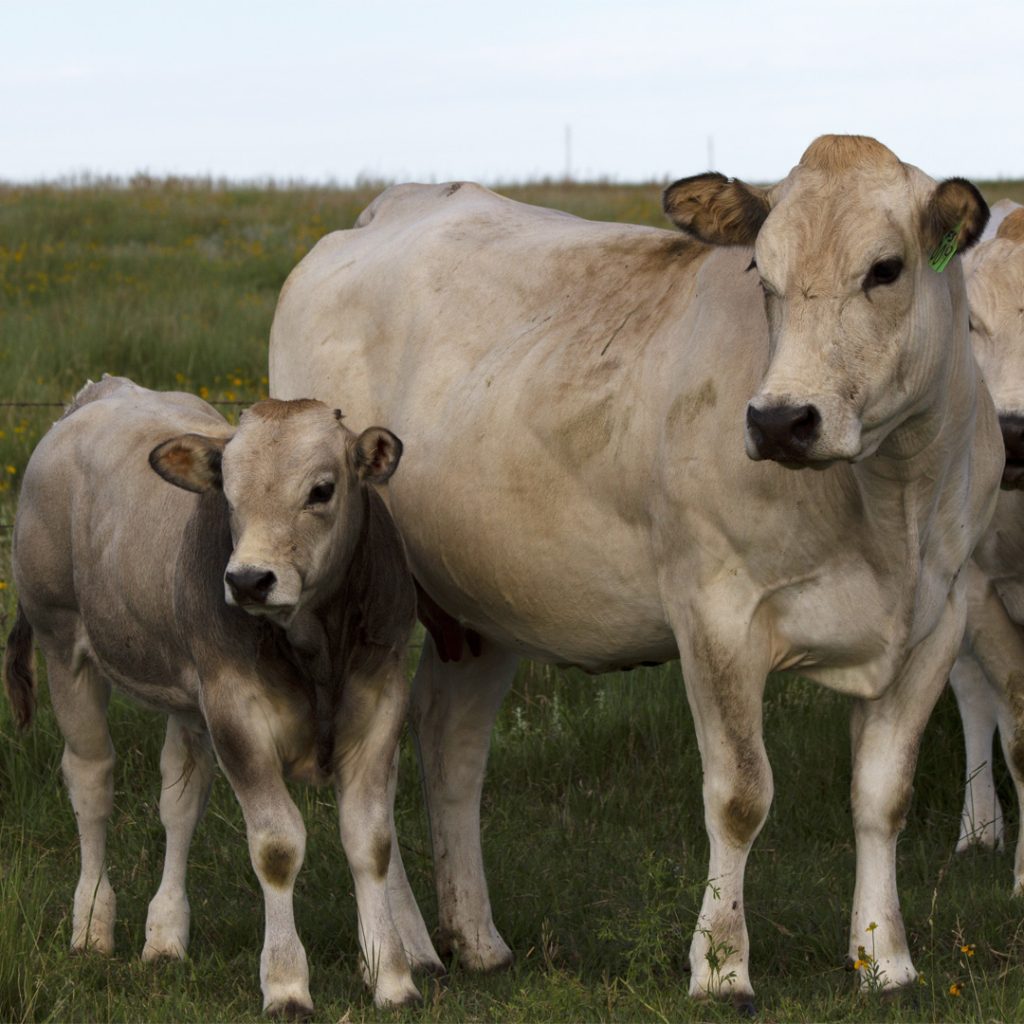
Young PIed Cows_113
Partnering with ranchers across the Midwest, Lone Creek Cattle Company has built its reputation around a unique breed of cattle known for exceptional tenderness and remarkable health benefits. At the heart of the operation is Certified Piedmontese beef—an Italian-heritage breed with roots tracing back to the 1600s in the Piedmont region of northwestern Italy.
Imported to North America in the 1970s, the Piedmontese breed remains rare today, representing only about one percent of the total U.S. cattle herd. Most are raised in Nebraska, South Dakota, and Colorado, where Lone Creek and its ranching partners are leading the charge in bringing this premium beef to consumers nationwide.
Family ownership and a vision for quality
Lone Creek Cattle Company is owned by the Peed family of Lincoln, Nebraska. When Thad Robertson joined the company 13 years ago as Director of Procurement, he was new to the breed but quickly recognized its potential.
“The company was in the early stages of a major growth phase,” Robertson recalls. “They brought me in to help restructure the traceability program and make the business scalable. Working for a family that doesn’t come from an agricultural background really changes your perspective—they challenge you to think differently, which is healthy for the industry.”
According to Robertson, that outside perspective has fueled innovation. “The Peed family saw the opportunity to focus on a premium niche product—something healthy, sustainable, and truly unique—and they invested heavily in building the infrastructure and relationships to make it accessible to consumers across the country.”
The genetics behind tenderness
The key to Piedmontese beef lies in its genetics. At Lone Creek ranches, two-copy (homozygous) full-blood Piedmontese bulls are used. The breed carries a naturally occurring genetic mutation that affects muscle development.
“When a two-copy bull is bred with any commercial cow, it always passes on one copy of the Piedmontese gene,” Robertson explains. “Even one copy is enough to improve tenderness and leanness. That’s what makes it so special—you get a naturally tender, lean cut of beef without relying on marbling.”
While most of the industry focuses on black-hided cattle, Lone Creek has worked tirelessly to educate consumers and the trade that tenderness doesn’t have to mean high fat content. “Piedmontese is the only breed in the world that achieves tenderness through genetics,” Robertson says. “Once consumers try it, the quality speaks for itself.”
From ranch to table
On the marketing side, Ben Mohl, Certified Piedmontese Director of Marketing, oversees marketing operations that handle between 300 and 400 head of cattle each week. While roughly 90 percent of production goes to wholesale and foodservice partners, about 10 percent is sold directly to consumers through Piedmontese.com and the company’s retail outlets.
“The breed naturally produces less intramuscular fat, which means fewer calories and a leaner nutritional profile,” Mohl explains. “It’s healthier beef without sacrificing tenderness or flavor.”
The company’s wholesale customers include food distributors and restaurants nationwide. “We see the strongest demand in metro markets—especially on the West Coast,” says Mohl. “California alone represents about a quarter of our total sales, and we’re seeing continued growth in the Midwest as more consumers look for alternatives to traditional grain-finished beef.”
For Nebraskans, Certified Piedmontese beef can be found at Mercato, the company’s specialty markets in Lincoln and Omaha, as well as Aragon Tavern, Casa Bovina, and other select restaurants. While the price point sits above conventional beef, it remains below Wagyu—offering premium quality and nutrition at an attainable value.
A commitment to ethical and sustainable ranching
Lone Creek’s producer network spans more than 120 ranches across the Midwest. The company maintains close relationships with its ranching partners, visiting each location five or six times a year.
“We’re one of the most certified beef companies in the industry,” Robertson says. “Our ranchers follow strict breeding and management protocols, and we buy back their calf crop every year. It’s a true partnership built on trust and long-term sustainability.”
The program prioritizes humane handling, animal comfort, and low-stress management, supported by cutting-edge research in animal science and stockmanship. Every animal in the Certified Piedmontese program is source-verified by Where Food Comes From, Inc., and grass-finished cattle are raised under a strict zero-grain policy.
“We use advanced data and technology to constantly improve,” Robertson says. “Every calf is genetically tested to verify its Piedmontese lineage. Between EID tagging, DNA testing, and our proprietary data portal, we can track each animal throughout its life cycle. That level of traceability gives both us and our ranchers the insight to improve every generation.”
Breeding for the future
The Piedmontese breed has proven well-suited to the Midwest’s climate, having originated in the Alps where cattle adapted to both cold and heat. Early on, Lone Creek worked hard to refine temperament, removing any animals with poor disposition.
Calves typically weigh around 85 pounds at birth—on par with industry averages—and display the breed’s signature “double muscling” by three to four months of age.
Lone Creek’s vaccination protocol contributes to an exceptionally low fallout rate—less than three percent—underscoring its focus on animal health and performance.
Consumer trust and domestic quality
As global imports of grass-fed beef increase, Mohl emphasizes the importance of country-of-origin labeling. “When consumers compare imported beef to American-raised Piedmontese, they notice the difference immediately,” he says. “Our grass-fed beef has superior taste and tenderness because of the quality forage we have here in the Midwest. The changing seasons and nutrient-rich grasses produce incredible flavor.”
Robertson agrees. “What’s amazing about this breed is its natural tenderness,” he says. “We’ve fine-tuned our feeding program to ensure consistency and flavor. I’d bet that if you put one of our steaks next to a grain-fed steak, 95 percent of consumers wouldn’t be able to tell the difference.”
A rare breed with a growing legacy
With its combination of genetics, science, and rancher collaboration, Lone Creek Cattle Company has carved out a unique place in the premium beef landscape. What began as an ambitious vision has evolved into a thriving program that honors both tradition and innovation.
“The ranchers are the heart of this company,” Robertson says. “Without them, none of this would be possible. Together, we’re building something that’s not only good for business but also good for the future of beef.”
-Photos Courtesy Lone Creek Cattle Company
-
The Lone Creek Cattle Company headquarters building in Lincoln, Neb.
Lone creek headquarters
-
Workers check the ground beef patties made with beef from Piedmontese cattle at the Lone Creek processing plant.
Pied ground beef patties 178
-
At Lone Creek ranches, two-copy (homozygous) full-blood Piedmontese bulls are used. The breed carries a naturally occurring genetic mutation that affects muscle development.
Piedmontese bulls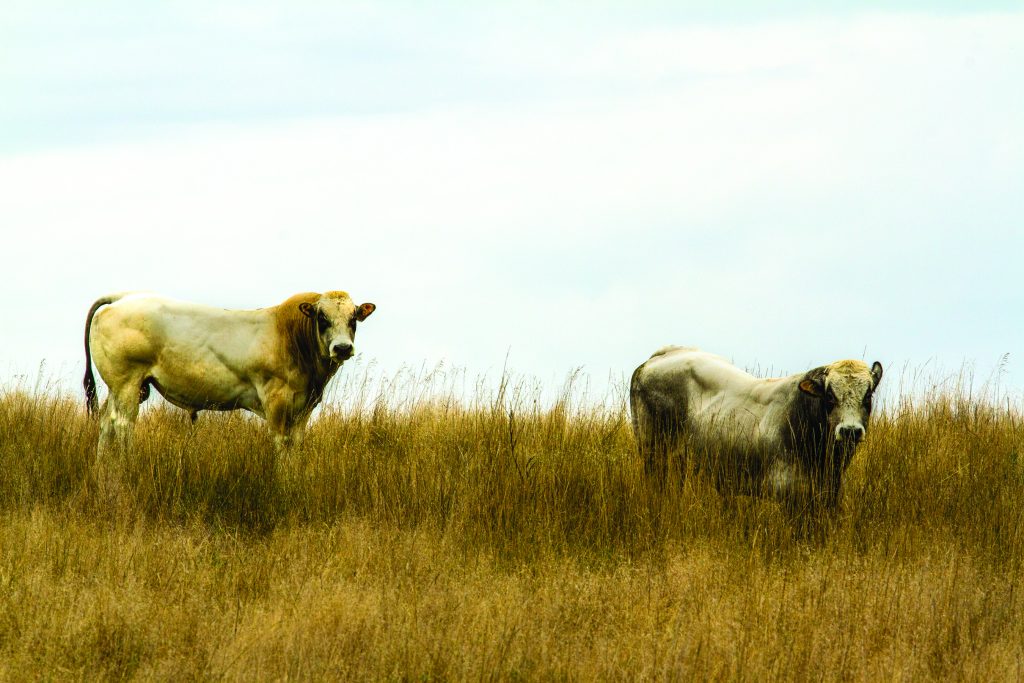
-
-
Piedmontese cattle on pasture.
PiedmontesePasture2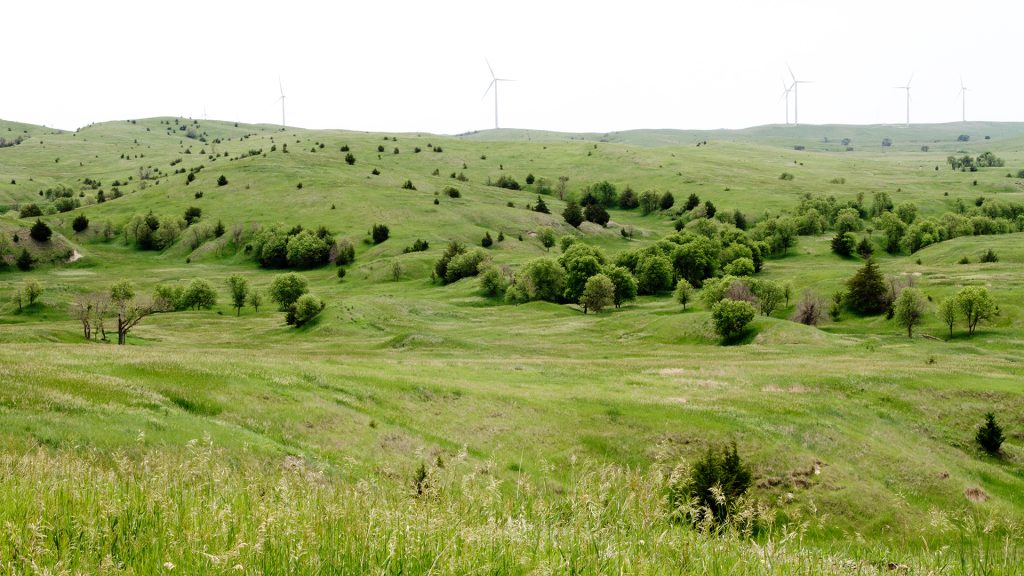
-
Seared steak.
Seared Steaks with Blue Cheese Sauce-7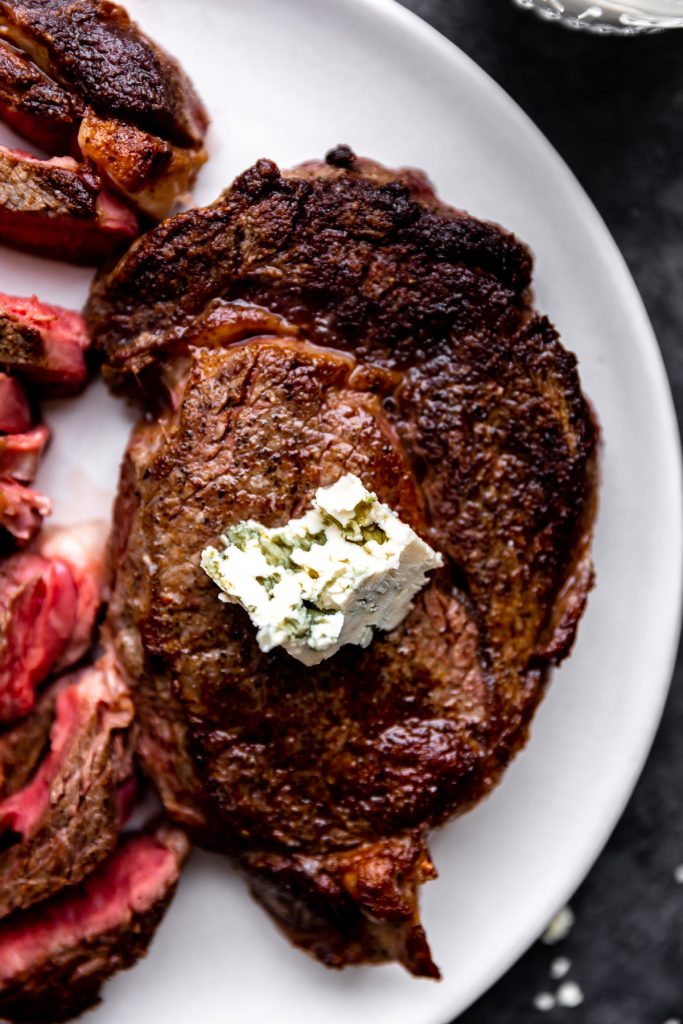
-
Cattle on grass.
York farm – Grass Pied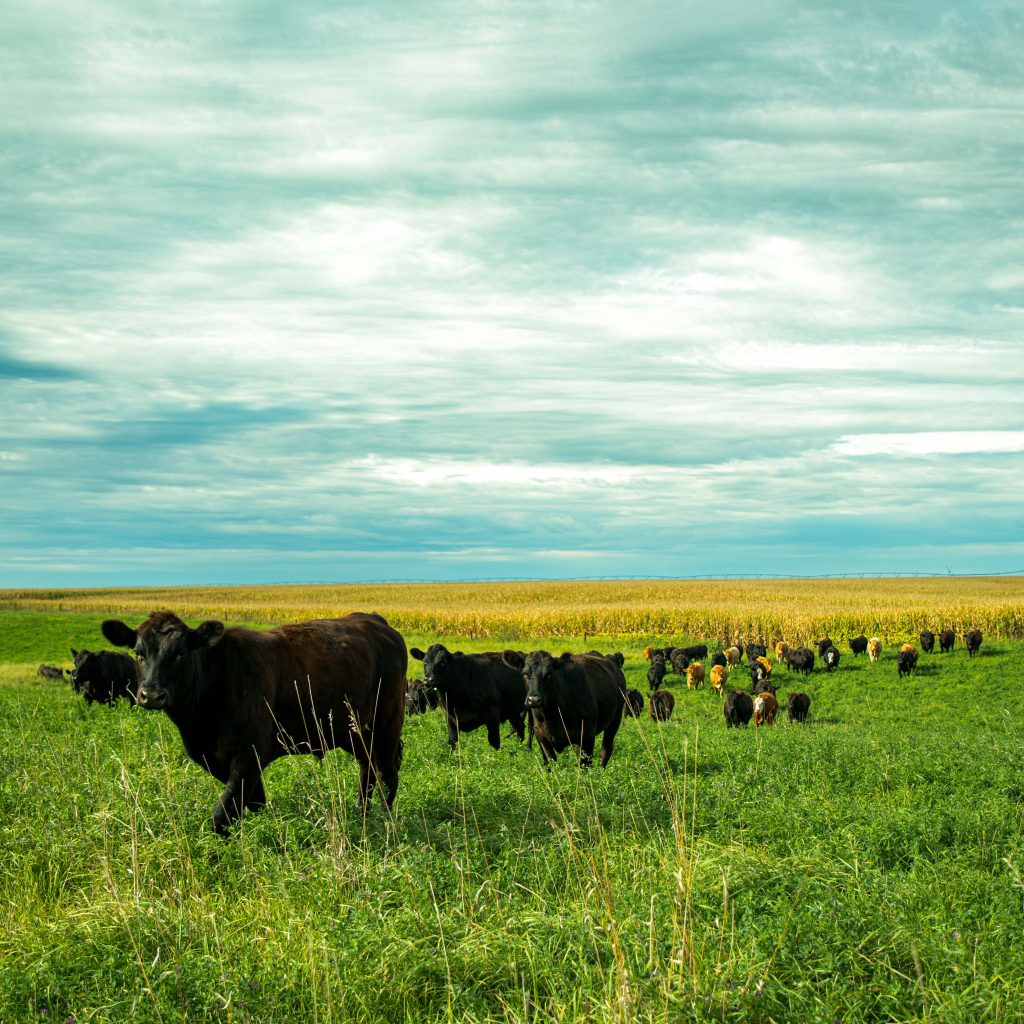
-
One of the ranchers walking among the Piedmontese cattle at the York farm.
York Farm Rancher CMYK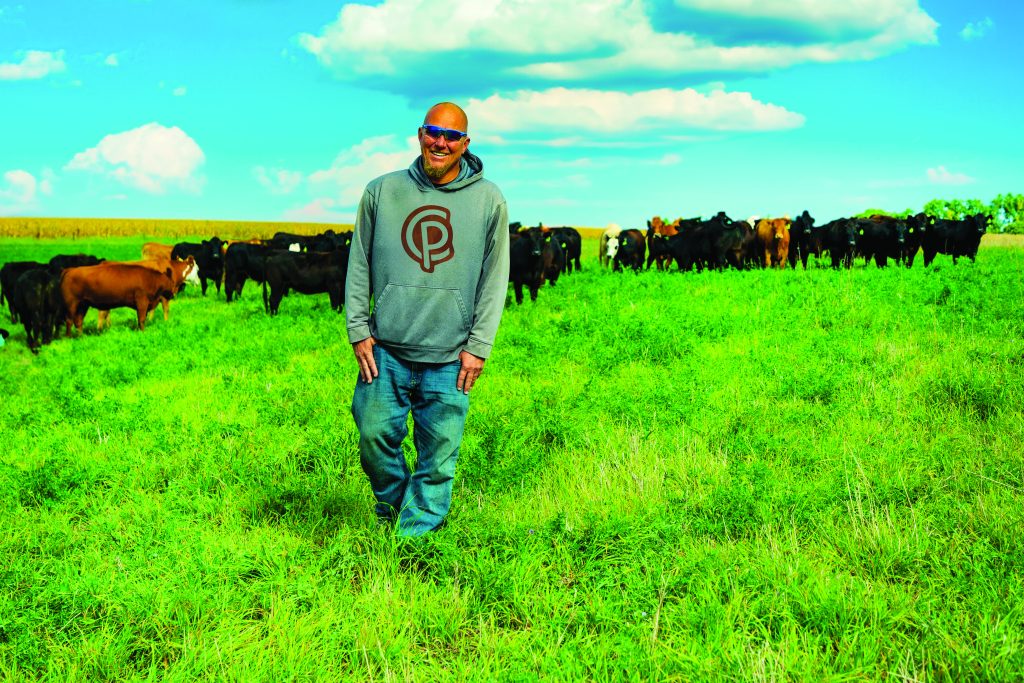
-
Young Piedmontese cattle.
Young PIed Cows_113