2026 Winter Cattle Journal | Triple T Beef: Healthy Land, Healthy Cattle, Healthy Humans
-
The whole family gets involved on the ranch.
5 helper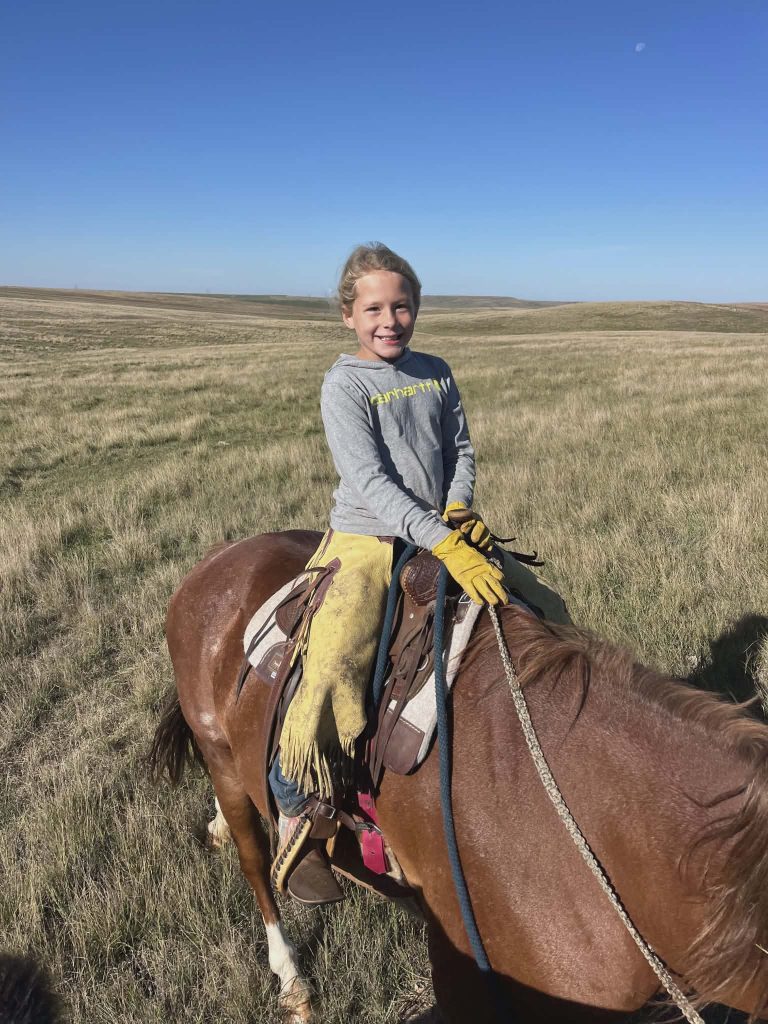
-
After a health scare, Roy Thompson realized that eating nutritious food made a big difference in how he felt.
6 beef cooked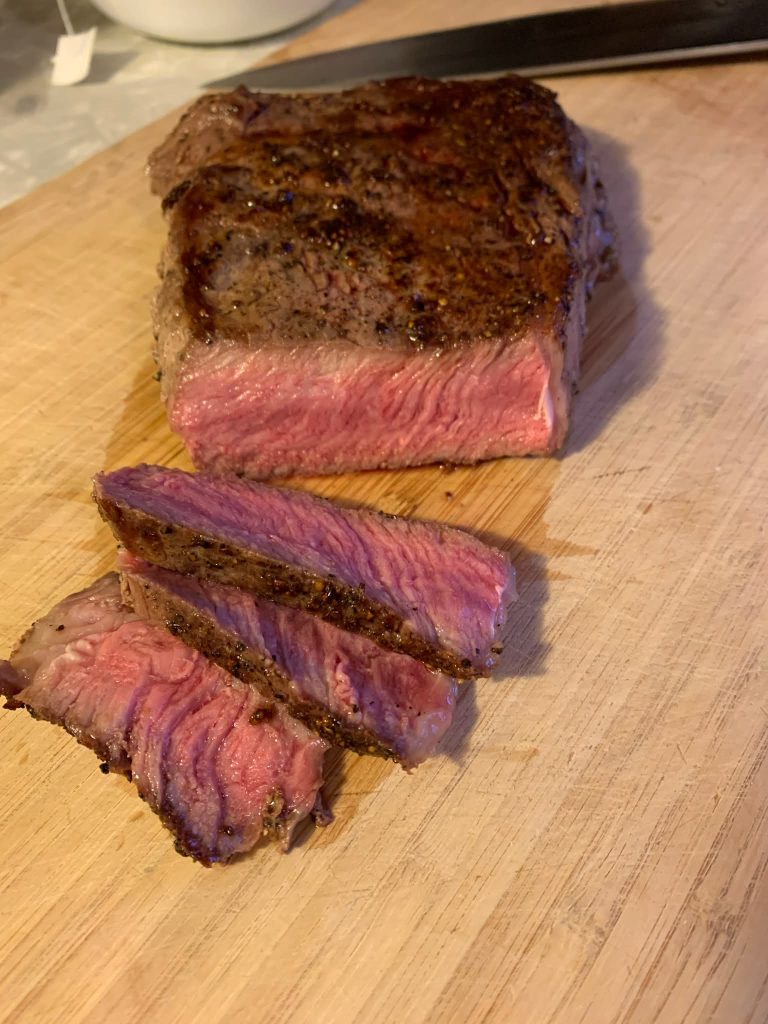
-
Thompsons try to do what is best for the land, their livestock, the ecosystems, their family, and their beef customers.
7 landscape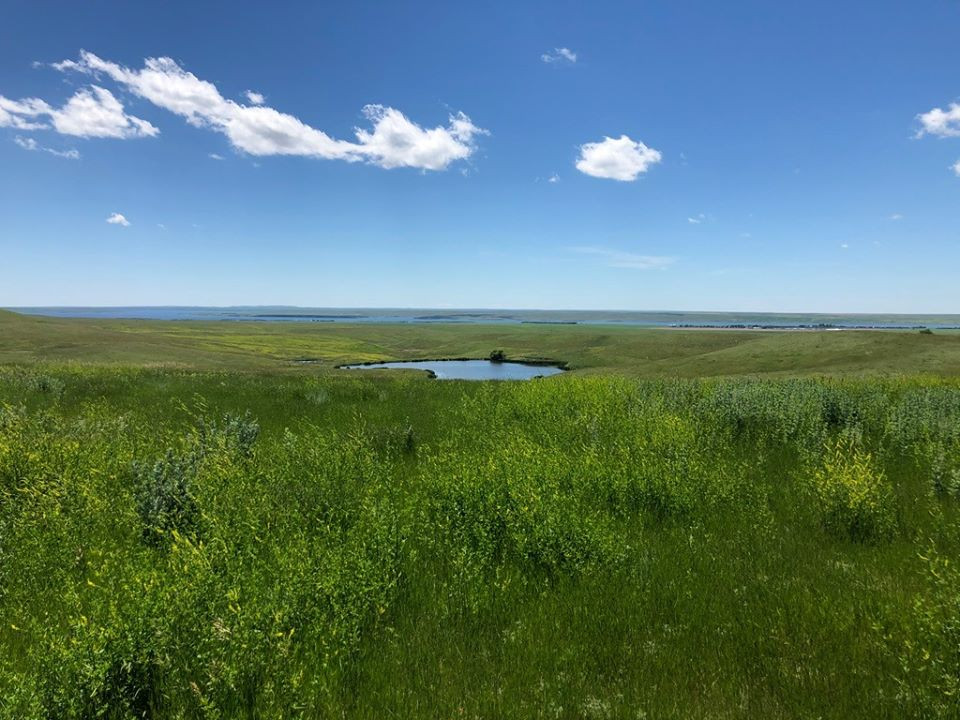
-
-
Planting different varieties together rather than seeding a monoculture in a field creates beneficial symbiotic relationships beneath the soil and attracts beneficial insects.
8 sunflower field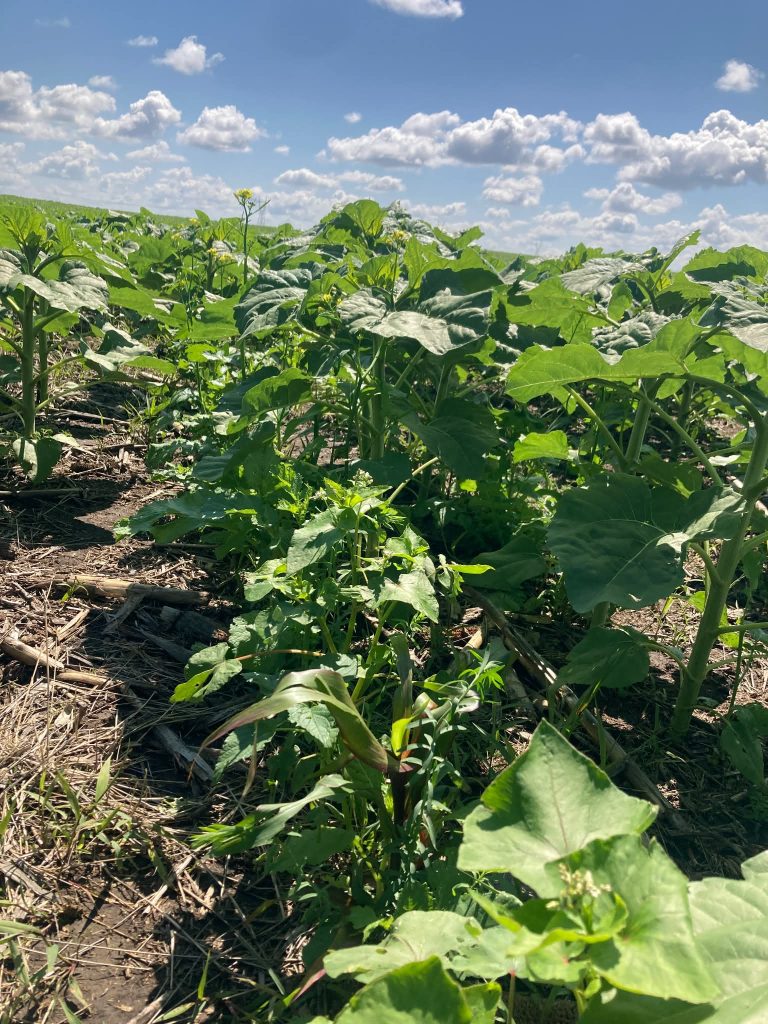
-
Thompsons plant cool season and warm season cover crop mixes for grazing purposes.
10 cover crop graze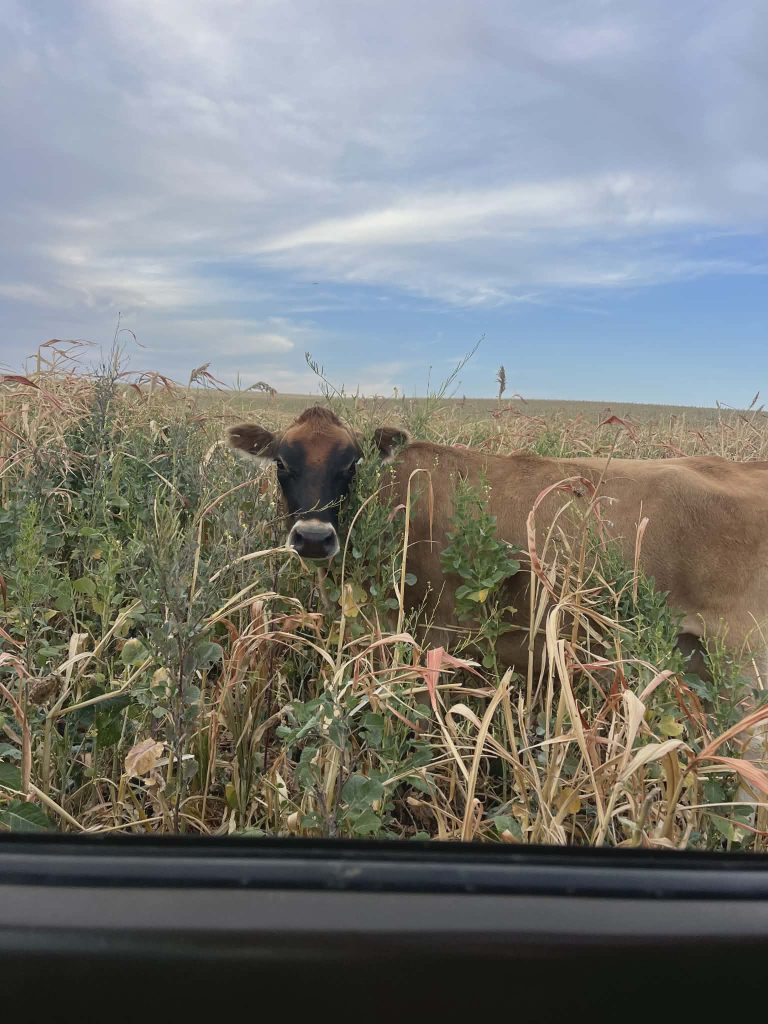
-
Soil health testing is showing the benefits livestock bring to cultivated fields.
12 graze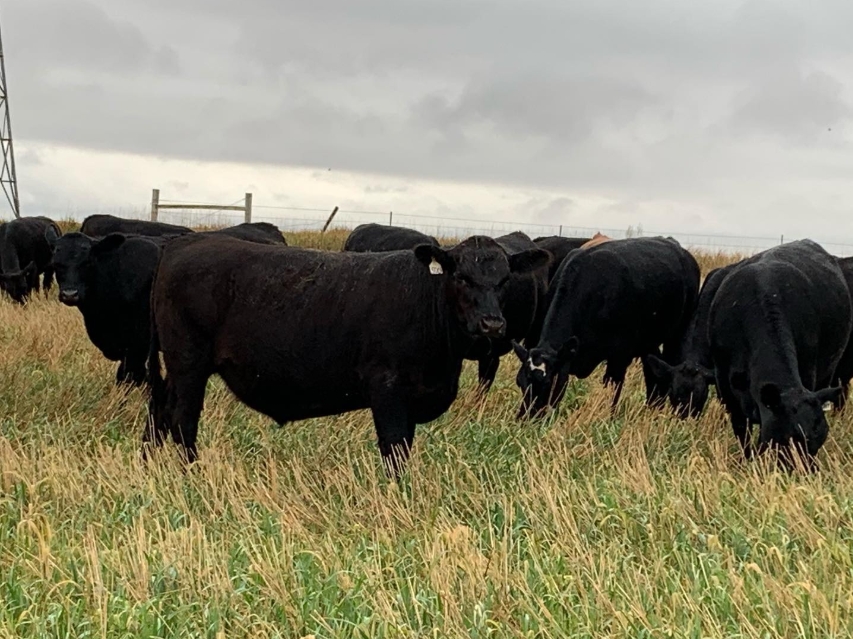
-
Thompsons are investing in tests to show their beef customers how feeding the soil improves the nutritional value of their beef.
13 pairs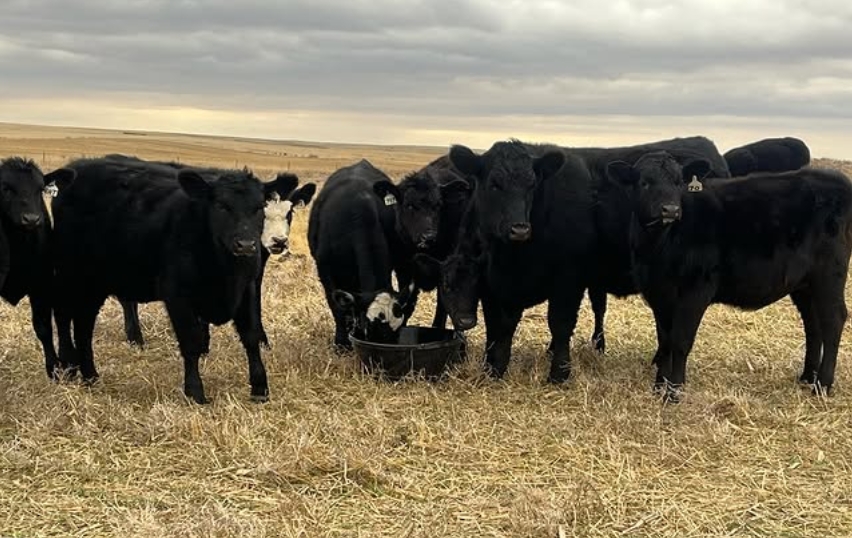
-
The Thompson family (L-R) Mesa, Roy, India, Meredith and Hyde.
1 family
-
Regenerative practices include planting pollinator strips in sunflower fields to increase diversity and build soil health.
3 pollinator mix
-
Thompsons had their beef tested through the University of Utah to check levels of Omega 3 and Omega 6 fatty acids, as well as vitamin and mineral content, to determine how it compares with other grassfed beef and with grain fed beef.
4 beef label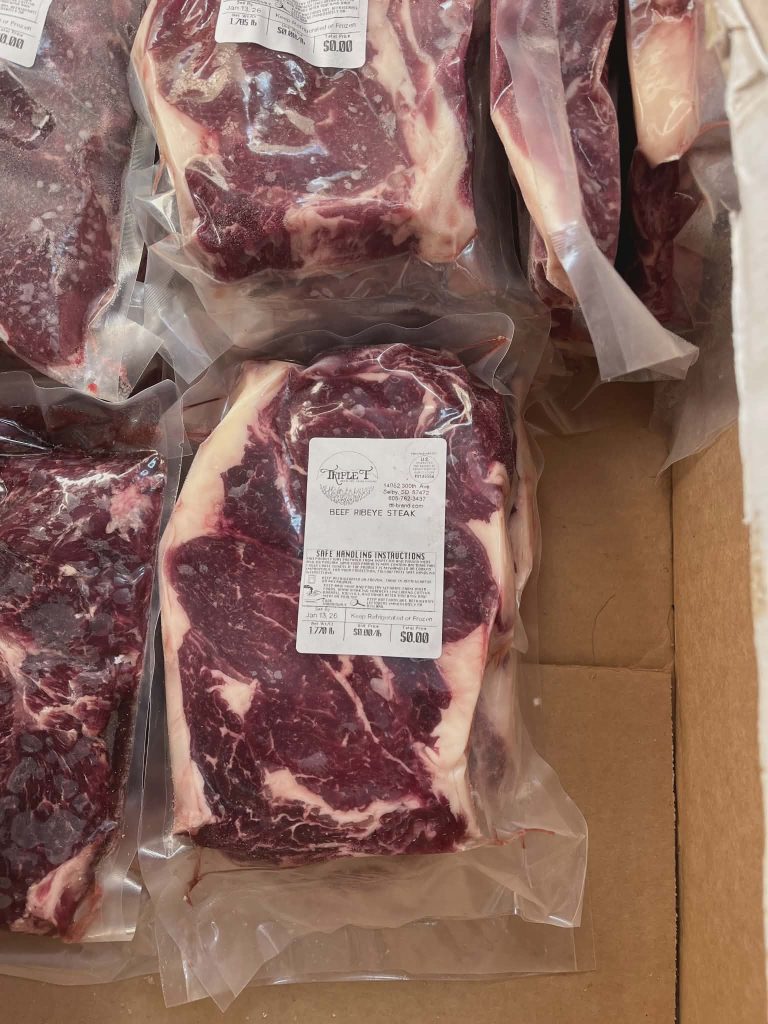
Roy and Meredith Thompson of Triple T Beef, Akaska, South Dakota, began implementing regenerative management practices on the ranch and in the field in response to a family health crisis. Now they are investing in data, getting the numbers to show their customers how feeding the soil in turn improves the nutritional value of their beef.
Roy was diagnosed with Crohn’s disease at age 20. Five years later, he was also diagnosed with primary sclerosing cholangitis, severe inflammation of his liver and bile ducts.
“If you had told me when I was in high school that I would be passionate about nutrition, human health and soil health, I would have laughed at you,” Thompson said.
He once thought Mountain Dew was “good for you” but his body was telling him otherwise. When doctors told him that there wasn’t much more they could do, Roy and Meredith opted to try making nutritional changes, and Roy started drinking bone broth instead of soda.
“I realized that food matters,” he said. “When I ate something like a slice of whole grain bread, I would immediately feel an uptick in my overall wellbeing. If I ate something that wasn’t good for me, I would feel so pulled down. I noticed the same thing with stress. I felt everything in my body, and realized that unhealthy stress was not good, and that food really did make a difference in my overall health.”
As his body started to heal, he recognized a disconnect: they were raising food crops in the pastures and fields, but he wasn’t eating anything they were growing.
“If I need this, other people do too,” Thompson realized. “The desire behind our direct market beef business was a human health desire. When I was sick with Crohn’s and PSC we were raising cattle and crops but were ordering all the food we ate.”
Thompsons took up the challenge to raise nutrient dense food to nourish their family and others. As their business has grown, they have continually sought to find ways to improve the nutrient density of their beef and improve the health of their land. This process has included changing their management practices on cultivated acres as well as in their pastures.
Thompsons cattle play a vital role in improving soil health in the fields where growing commodity crops is a part of the operation. They are steadily working toward increasing regenerative practices in the way they farm.
“Sometimes we try things because we know it’s best for the land, and then pray it works out,” Thompson said. “With cattle, we have an ‘insurance policy’ that we can graze [a field] if it doesn’t work out to combine it.”
Roy started planting pollinator strips in sunflower fields a few years ago. He plants a highly diverse mix of 14-15 different kinds of seed, with the hope that these plants will bring beneficial insects to the sunflower field to help stabilize the ecosystem. Some sunflower farmers in the area are finding seed weevils becoming resistant to insecticides because sunflowers are planted so frequently in crop rotations.
“This won’t wipe out the seed weevil but hopefully it will keep it in check,” Thompson said. “Parasitic wasps will kill off seed weevils.”
Growing other plants in the sunflower field also helps boost the soil biology, and the root systems of the different plants share resources underground.
“The species in this mix rely on each other,” he said. “The cover crops help the sunflowers and the sunflowers produce things the cover crops can use. It is neat to see how things survive and thrive without inputs when everything is working together.”
The pollinator mix Thompson plants in the sunflower field does a lot to benefit the soil but doesn’t leave much residue or biomass as do other cover crop mixes he plants for grazing purposes.
“This one is for attracting pollinators, not for building a lot of biomass,” he said. “Any time you’re getting a lot of different species growing at once, the microbes underground start working well between the plants and sharing resources. It is exciting to see.”
Legumes may be the first thing that comes to mind when people talk about cover crops, but Thompson said other kinds of plants bring their own benefits to the soil.
“Buckwheat cycles phosphorus,” he said. “The microbes then make that available and the plants start sharing it where it’s needed. Flax helps heal the mycorrhizal fungi underground, which helps all of the plants share resources.”
“Any time a lot of diverse plants start sharing nutrients, you make the soil better for next year because the microbes are already stimulated to work with the natural resources God has given rather than with synthetic NPK fertilizers.”
Thompsons are using technology to track the data. They had a sample of their meat tested at the University of Utah where Dr. Stephan Van Vleete checks nutrition scores, and measured Thompsons’ beef against traditional grassfed beef, regenerative grassfed beef and conventional grain fed beef.
Thompsons were happy with the results, which showed a high ratio of Omega 3 to Omega 6 fatty acids in their beef.
“Omega 3 fatty acids combat inflammation, so it was nice to see those metrics were higher,” he said. “Antioxidants in our beef were higher than the benchmarks. The fat content was lower. Some of the B vitamins were above the benchmarks; vitamin B3 was right at the benchmark of grassfed beef. Our minerals were slightly lower than the grassfed beef benchmark.”
The next step for Thompson is to test meat samples harvested at different times of the year when cattle are finishing on different types of feed.
“We sent the first sample in when we were feeding hay in the winter so they did not have as much rich grazing,” he said.
The test is expensive, but Thompson feels that the results are worth the cost.
“I want to share as honestly as I can about the things we have learned the hard way and the things that have worked out. To see that what we are doing is improving the nutrient density of our beef is valuable. It is nice to know that what we are doing is actually paying off and we are achieving goals we’ve set out to pursue,” Thompson said.
Regenerative agriculture is not just about one person seeing things differently. Thompsons are part of a “whole community of people trying things and sharing information.”
“It is so much fun to see when plants are thriving and there are no synthetic inputs,” he said. “Life is buzzing all over with insects, deer and pheasants are running out, and cattle are grazing through with no issues with herd health. It is good to feel like everything is working together.”
Thompson said his goal is to bridge the gap between his farm acres and his livestock.
“We get more enjoyment out of moving cows than sitting on a tractor,” Thompson said. “Meredith and I don’t have enough cattle to farm just for our livestock, but we want to farm our cash crops in a regenerative way and we want to work our cattle through the farmed fields.”
The cow herd grazes fields in the fall and winter following summer grazing on native pastures. Grass finished animals graze fields throughout the spring and summer and run on native pastures while cover crops are growing.
Thompsons plant a cover crop of cereal rye and vetch as soon as possible after small grain harvest.
“Rye is like a weed,” he said. “It’s hard to kill. We can graze it hard in the winter and it will come back lush in the spring. We use it more as a tool than a cash crop. We can graze it early; cattle on rye fields in the spring do really well; we can hay it for forage or combine it if needed.”
Thompsons use a spring cover crop mix of 15-20 different species including cool season grasses, legumes, brassicas and other broadleaves.
“We try to graze it before we go to our native pastures and then go in with a warm season mix after we have grazed it off,” he said.
They run their grass finish cattle on warm season cover crops in the late summer and pull them off when it freezes to avoid Prussic Acid toxicity.
“We try to get cattle everywhere,” Thompson said. “Some fields farther from home may go without being grazed for a year or two.”
Thompsons started working with Regenified to certify their ranch as a regenerative ag producer. While “regenerative ag” may seem like just another new buzzword, Regenified certification brings scientific testing to the farm to provide real data on soil health, water retention, ground cover, plant and animal diversity and soil biology.
The soil biologist’s report encouraged Thompsons that they are on the right path.
“Wherever there was livestock or compost extract the soil biology was much better than where it was just conventionally cropped,” he said. “We’ve learned far more from our mistakes than from our successes. It is very interesting to see that what we’re doing is changing things in the soil.”
Thompson is grateful to have the data to prove that their soil health is improving.
“It is neat to see that when pursuing something like soil heath, you don’t have to quit everything you’re doing,” he said. “You can implement strategies at whatever level you can: planting cover crops, grazing hay ground, rotating pastures. When you are caring for the soil it does give back.
Thompson believes it is important to learn from mistakes and failures, do his best with the knowledge and information he has and “Do everything unto the Lord.
“Our hope is to provide value to others in our beef. They are happy to pay for it and we are happy to grow it,” he said.
“I don’t want anyone to think I’ve got it all figured out, we have definitely learned lessons the hard way. We are all learning and trying to improve so we can leave the world better than it was when we got here.”
Regenified Certification
“Regenified’s 6-3-4 Standard meets farmers where they are with clear, science-based protocols to evaluate both practices and the outcomes they deliver. Certification requires continuous improvement, with expectations for farms to advance to higher tiers over time by expanding regenerative practices and improving results.
With more than 65 data points collected annually, Regenified farmers get a clear view of where they are and how their land is responding. The insights they receive help track impact and support strong, transparent claims in the market. When a product carries the Certified Regenified mark, it means the farm behind it has achieved measurable progress that can be trusted.
During field verification visits, we measure and document over 65+ data points including, but not limited to, the flow of water into the soil, the quantity of ground cover, plant canopy, and plant diversity, soil biologic activity, soil condition including compaction layers, root rhizosheaths, fauna populations, and the body condition/health of livestock.”
– regenified.com