BHSS Premier 2026 | The Legacy and Growth of the Black Hills Stock Show
Abigayle Warm Follow
The Black Hills Stock Show has a rich history focused on preserving western heritage and agriculture in the state of South Dakota. In 1958, the Rapid City Chamber of Commerce Ag Committee held a meeting at Rapid City Laundry to devise a plan with the aim of connecting the city’s rapidly growing urban community with the land’s rural roots and western heritage of ranching, farming and the cowboy lifestyle. That meeting gave rise to the Black Hills Winter Show—a show for the region’s top Angus, Hereford, and Shorthorn cattle—held at the Central States Fairgrounds Soule building.
-
Angus Sale in Soule Building at 1977 Black Hills Stock Show
1) Angus Sale in the Soule Building 1977 Black Hills Stock Show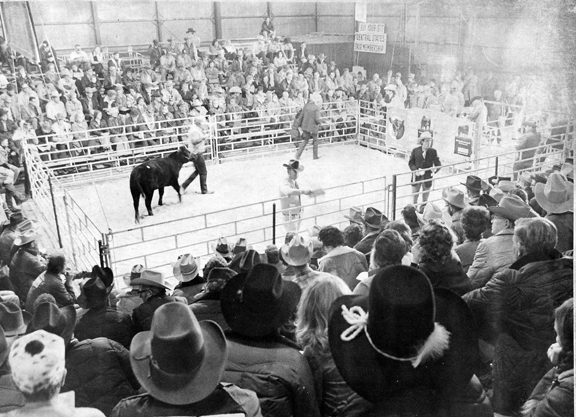
-
The stock show remains a primary part of the BHSS
2) MNB_25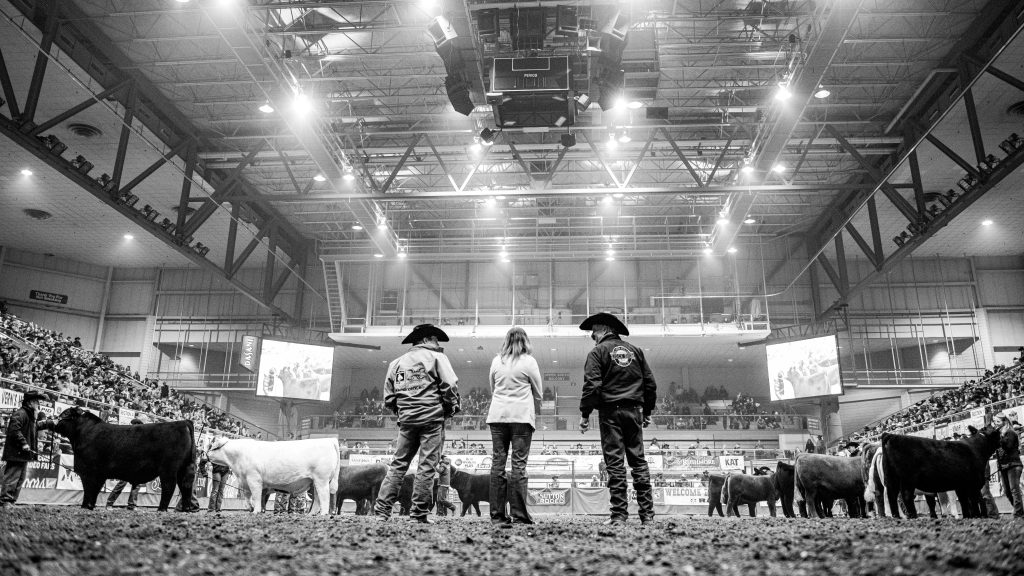
-
2a)MG_9687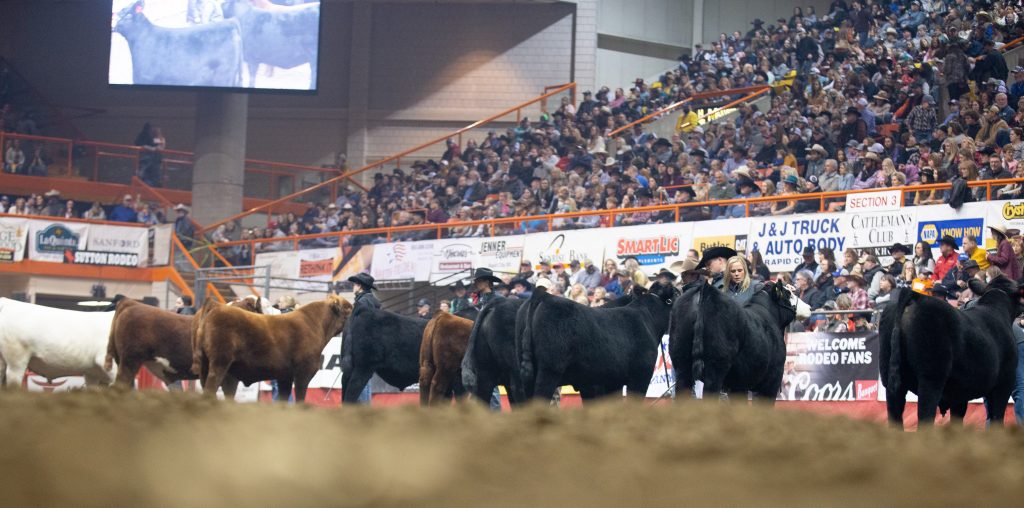
-
-
Champion Supreme Breeding Heifer at 1989 BHSS
3)Banner_1989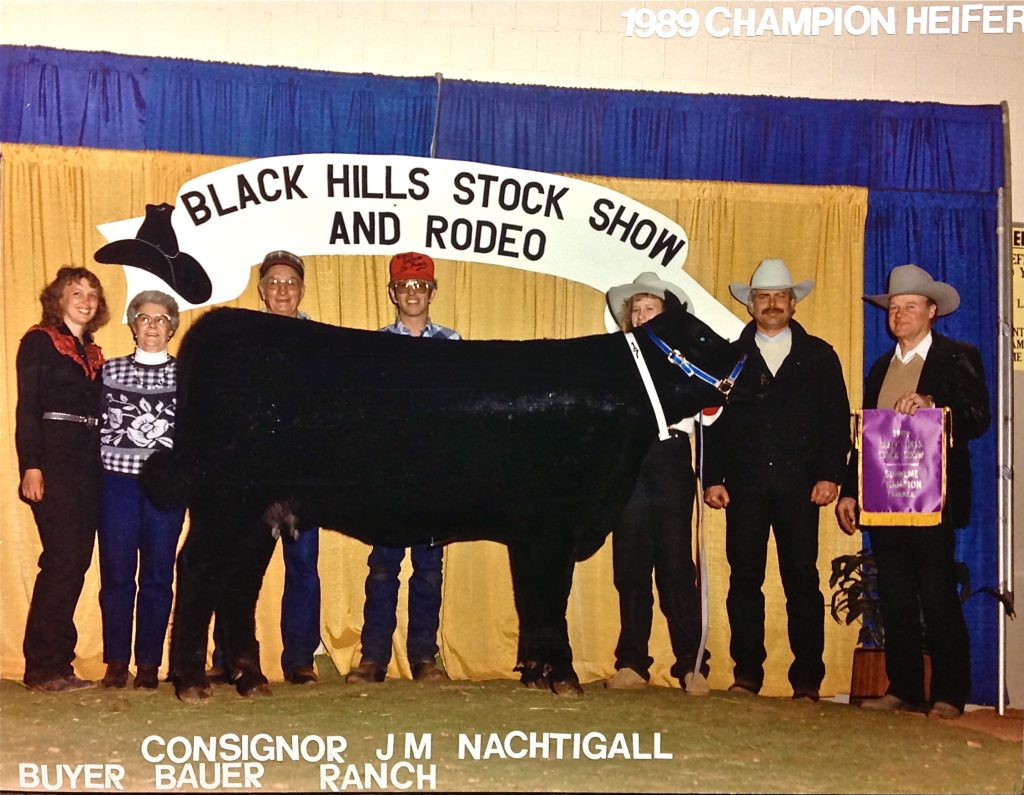
-
Supreme Champion Bull at 1991 BHSS consigned by R&R Cattle Co of Chamberlain, SD
4)BullBanner_1991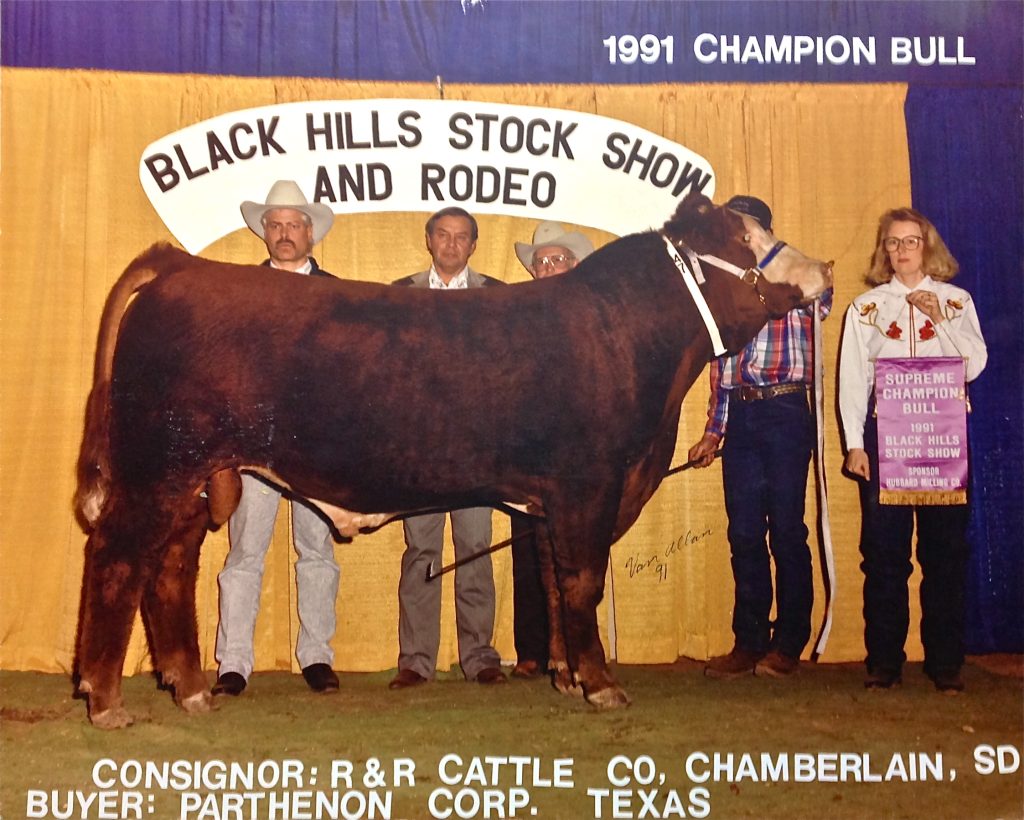
-
“Genetics and breeding programs have changed drastically and the Black Hills stockshow has reflected that,” said Ron Jeffries, BHSS general manager, “Yet it still serves as a kind of genetic preview and marketplace for cattlemen looking to improve their herds.”
5)LEG_Bulls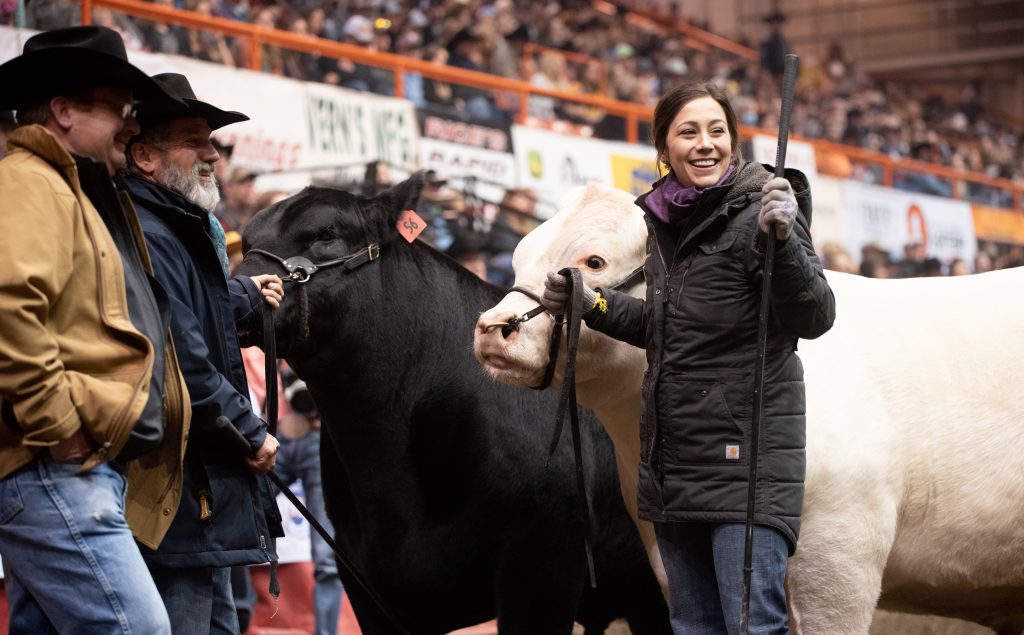
-
Exhibitors lined up moments before Supreme Bull selection.
6)supreme2(1)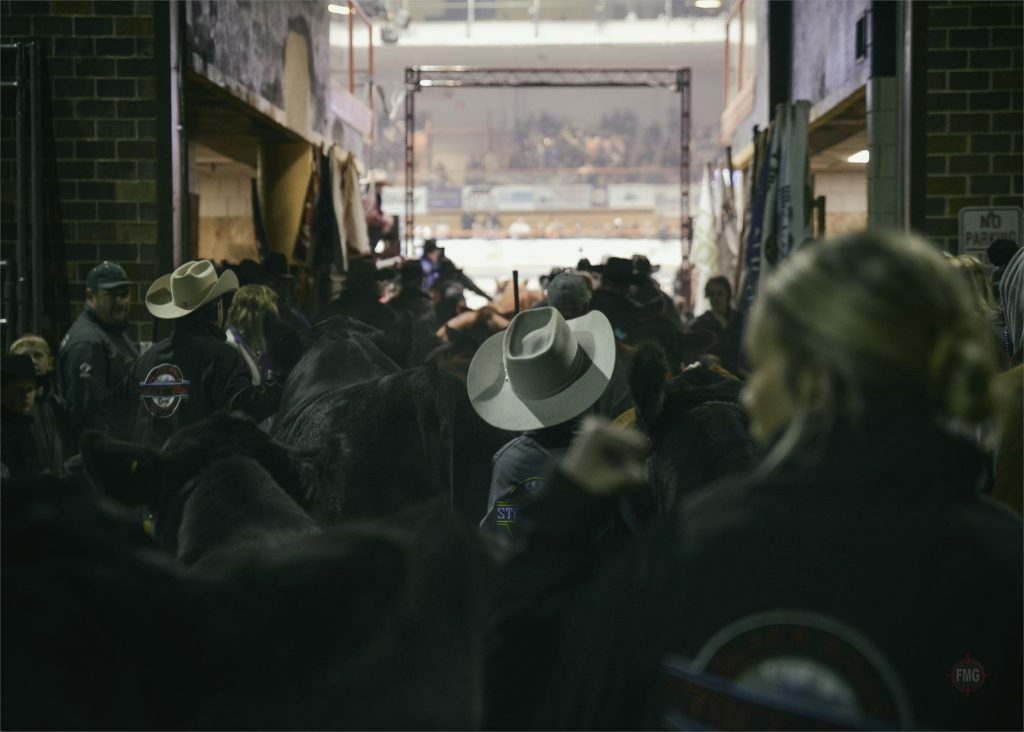
-
Stray gathering is just one of the events at the ranch rodeo that reflects the daily work of the cattlemen and cowboy alike.
7) Ranch Rodeo-620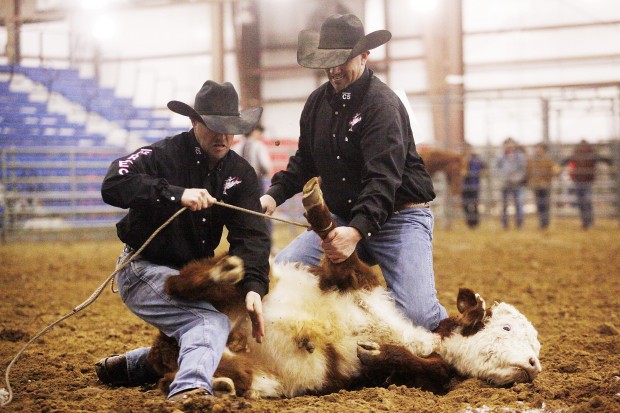
-
Broncs for Breakfast features 32 Ranch Bronc Riders “Riding as Ride Can Be.” The Ranch Bronc Ride is different from the traditional rodeo event, as all contestants must ride in a stock saddle. Photo Courtesy ShootemScootem
8)Broncs4Breakfast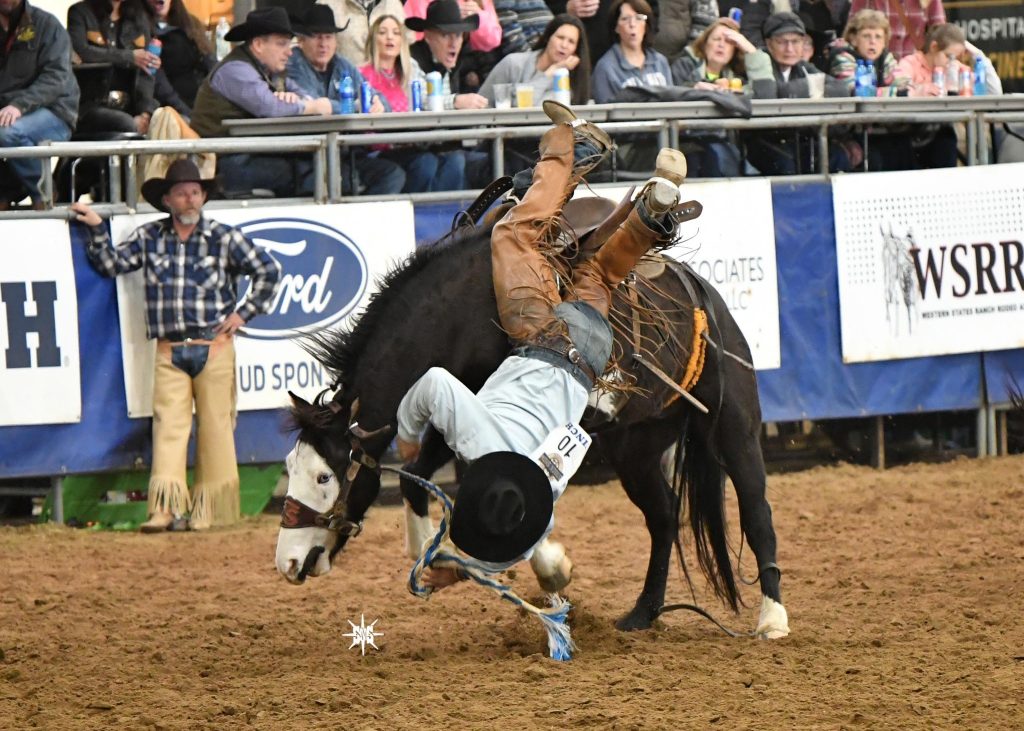
-
Missterish, 2020 red roan gelding by Hottish was the top sale horse at the 2025 BHSS Farm Credit Services of America Horse sale, selling for $53,000. Photo Courtesy ShootemScootem
10)Lot 30 Missterish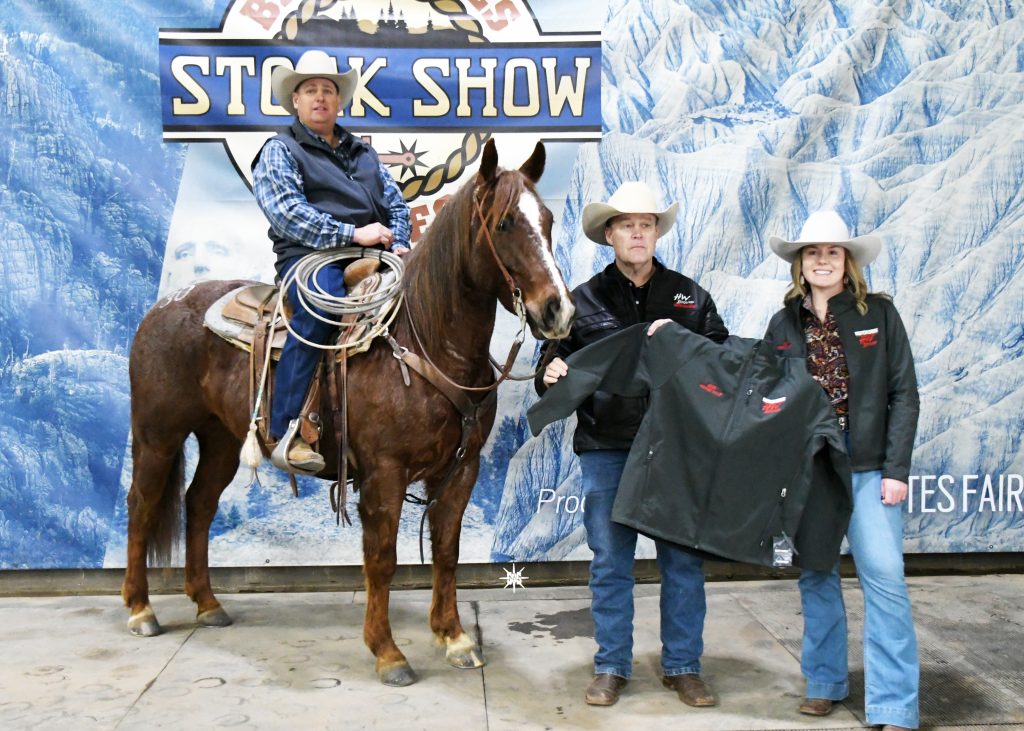
-
The 2025 Top Horse Award went to Tyler Fear of Sutherland, Nebraska.
11)Top Horse award winner at 2025 BHSS. Top Horse is handed out to an exemplary equine athlete each year at the ranch rodeo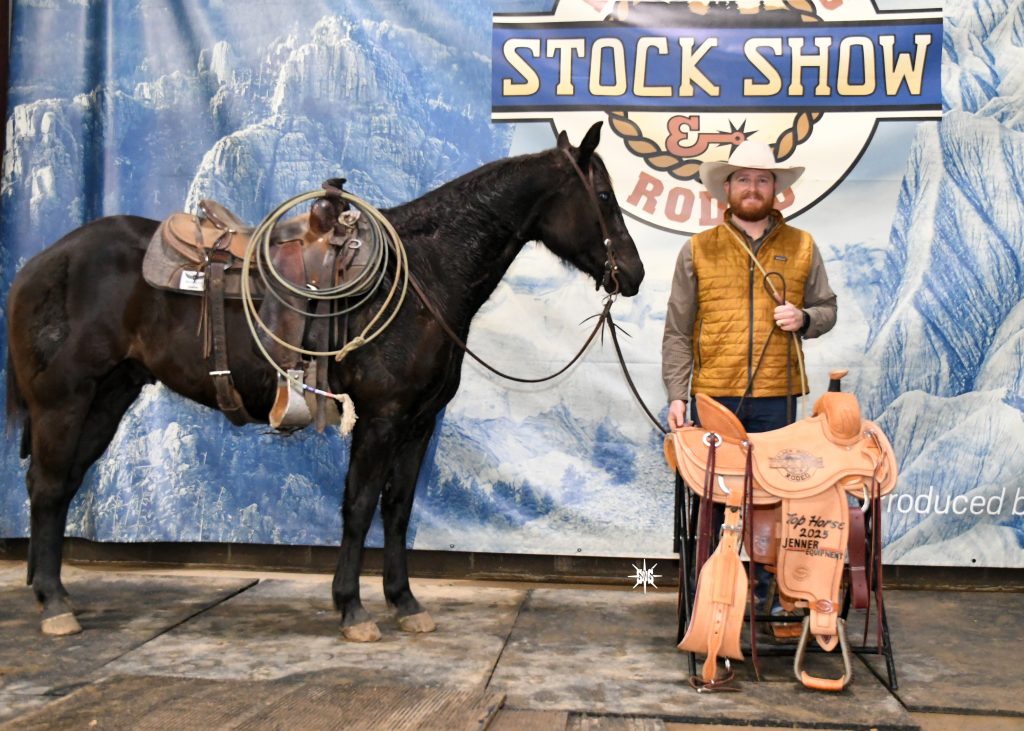
That first year there were a total of 91 entries in the show, increasing to 112 the next year. “The Black Hills Winter Show is going to grow because it is held in cattle country,” read the headline of an article in the Shorthorn World magazine in 1961, an accurate prediction for the trajectory of the stock show. Cattlemen and community members alike anticipated the Winter Show as it was an attraction as well as a marketplace.
Cattlemen could exhibit, sell and preview livestock with the BHSS unique show and sale format while socializing with fellow ranchers. Events were held around the community such as a fashion show at the Arrowhead Country Club, vendors set up in the Alfalfa Palace, and a cattleman’s pancake feed downtown, drawing crowds into town for the shows. Community businesses showed their support by donating resources such as engine heaters supplied by the Ellsworth Air Force Base to warm the chilly Soule Building during the shows.
In 1963, a “Steering Committee” council consisting of members of the Chamber Ag Committee, the Black Hills Exposition (Central States Fair, Inc. today), and a representative from each cattle breed formed the first advisory board to improve the event. More breeds were added to the docket, as well as a Sunday morning breakfast, now known as Commercial Cattlemen’s Day. To this day, the BHSS serves as both a marketplace and a measure of progress in the livestock industry.
“Genetics and breeding programs have changed drastically, and the Black Hills Stock Show has reflected that,” said Ron Jeffries, BHSS general manager, “Yet it still serves as a kind of genetic preview and marketplace for cattlemen looking to improve their herds.”
The Stock Show expanded with the addition of youth beef, sheep and goat stock shows throughout the week, opening the stock show to the next generation of herdsmen. Each year, champions are selected from each breed to compete for top honors on the Hubbard Feeds Supreme Row.
The Winter Show was officially renamed The Black Hills Stock Show in 1966 when Central States Fair, Inc. (formerly Black Hills Exposition) assumed leadership from the Chamber Ag Committee. The first Buffalo auction also took place that year, in addition to the cattle sales and show, at Custer State Park Buffalo Corrals.
A horse sale was added in 1973 and was making headlines by 1976 as 33 head of horses brought a total of $17,945.
In 2025, the horse sale’s average was more than the total in 1976. Last year, a total of 125 horses sold averaged at $21,045. The high seller sold for $53,000 – a testament to the growth of the sale over the past five decades.
The Central States Fair, Inc. then added a “Winter Rodeo” contracting a long-standing partnership with Sutton Rodeo Co. to put on a PRCA sanctioned rodeo in 1977.
Rodeo Rapid City continues today and has won Large Indoor Rodeo of the Year seven times.
The BHSS Ranch Rodeo was added years later, and has become a sold-out highlight, showcasing the skill and grit of working cowboys and cowgirls.
The morning following the ranch rodeo, crowds pack in for “Broncs for Breakfast,” where green broncs and gritty cowboys buck out in similar fashion to the old days of breaking colts on the ranch.
In the two weeks leading up to the main show dates, the BHSS kicks off with the AQHA Winter Classic. The show consists of many different disciplines including reining, working cow horse, halter, cutting, ranch riding, and a newly added Versatility Ranch Horse class. These events showcase horsemanship and uphold cowboy tradition at its finest.
Other traditions, such as All American Sheep Day have been established over the years. This day includes sheep dog trials, mutton busting, national sheep shearing competition and industry education and demonstrations put on by South Dakota State University.
The BHSS also offers entertainment beyond the arena with the Cinch trade show, a western art show and sale and a weekend concert series.
Success behind the BHSS has largely been attributed to the volunteers that continue to support it. Dick Bray, Lyndell Petersen and Hugh Ingalls were all visionaries that helped foster growth of the stock show at every turn and now the next generation carries the torch. Now attracting more than 300,000 attendees from a 13-state region, the BHSS continues to embody the rugged, resilient, and community-driven spirit that the region was founded on. Though the BHSS has evolved and expanded since its start, the mission remains unchanged: To support youth and agriculture as a 501(c)(3) organization while preserving the western heritage of South Dakota.