Doing Better for Bullfighters: The LicaBell Story

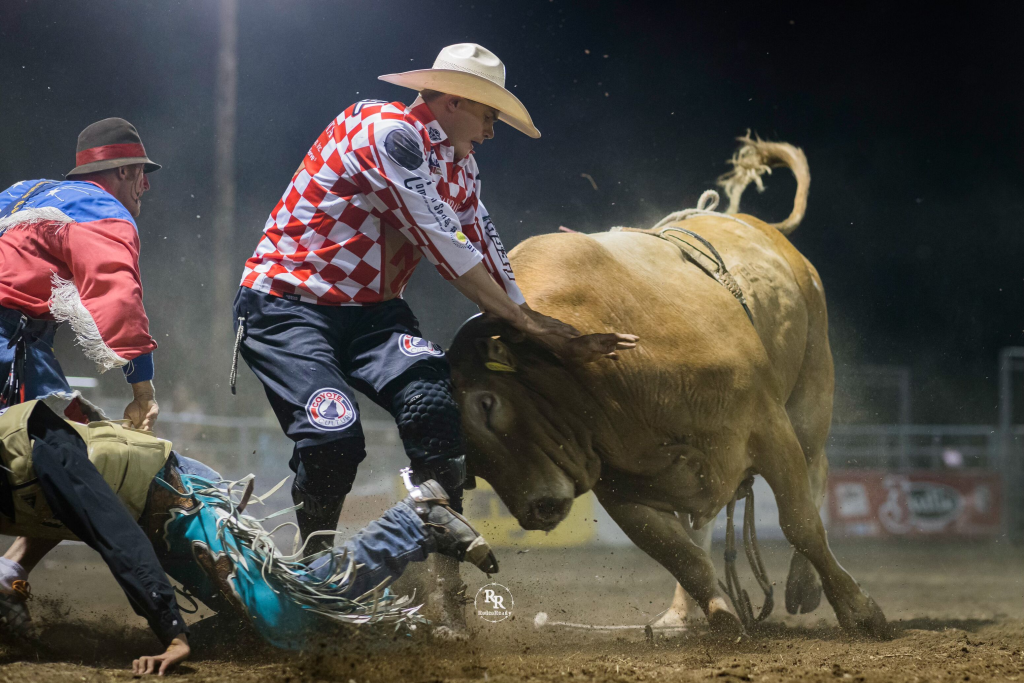
Before the death of Lane Frost, few bull riders wore protective vests. After the tragedy, they are almost ubiquitous in the sport.
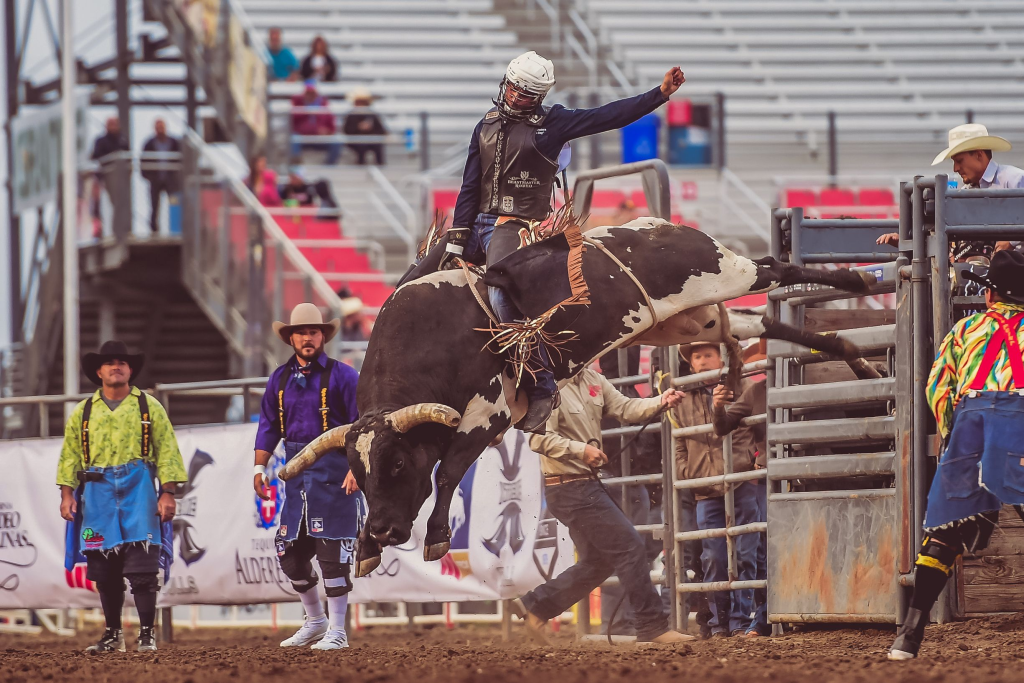
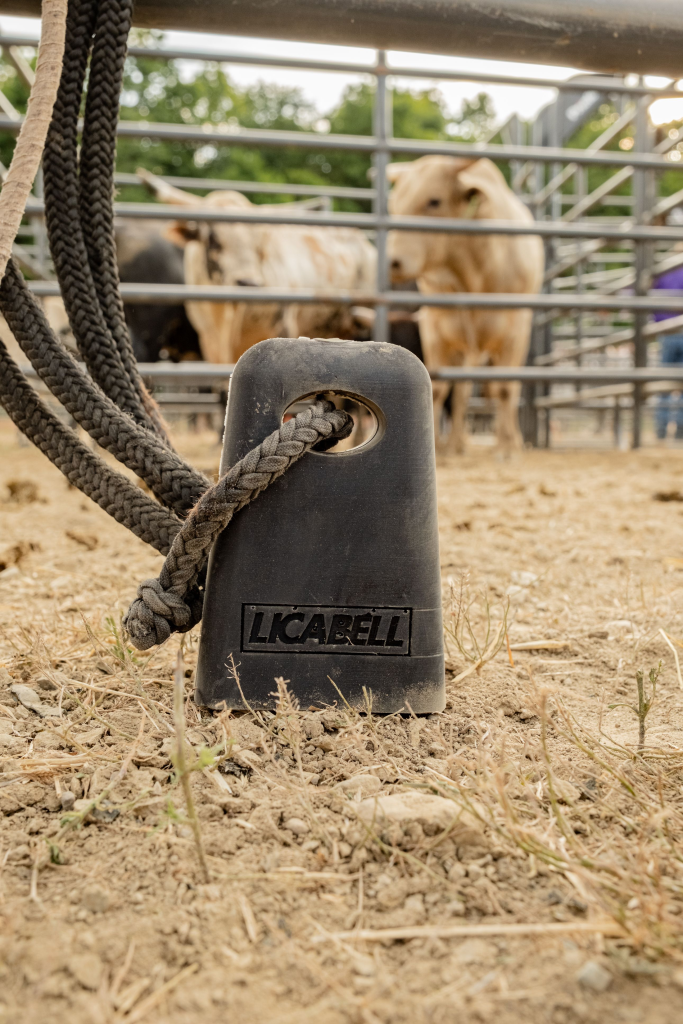
Nic Lica, inventor of the LicaBell, hopes that his invention will similarly change the course of bull riding and prevent traumatic injuries. Though accidents with bull bells are not usually fatal, they can be life-altering, as was the case with professional bull fighter, Dayton Spiel, who lost the use of his eye after receiving a blow to the face from a bull bell. The injury ended Spiel’s professional bull fighting career.
Spiel’s Accident
Spiel was working the Sitting Bull Stampede in Mobridge, South Dakota on July 3, 2023 when he was struck in the face with a metal bull bell. It is not uncommon for bull fighters to receive injuries in this manner. The centripetal force of the bell at the end of a bull rope can reach significant speeds, especially if a bull is still spinning after the ride.
When bullfighters move in to help bull riders get to safety, they also put themselves within striking distance of the bell. Bull fighters, unlike bull riders, do not usually wear face protection and are exposed to a 10-pound piece of sharp metal swinging through the air with great force.
“About every one of us has been hit with a bell and stitched up,” Spiel said. He cited his fellow professional bull fighters, including Nate Jestes and Dusty Tuckness, who have received stitches after being struck. “We’ve all gotten hit, but not like the situation that I was in.”
“I didn’t get knocked out or anything. I didn’t know what hit me at first. I knew I was safe to get away. I jogged away from the bull and went the chutes.” Blood streaming from his eye, but no obvious pain or immediate side effects, he decided to finish the performance, as there were only a few riders left.
As the next bull rider was getting down on his bull, Spiel said, “My ears were ringing. All of a sudden, both my eyes shut. I stopped everybody. I said ‘Hold up, hold up.’ They walked me out of the arena. I could open my eyes but couldn’t keep them open.”
After his wife, TyAnn, drove him to the Mobridge hospital and they were transferred to Mandan, they discovered that Spiel’s eyeball had been severed in half.
“They put 17 stitches in my eyeball and sewed it back together,” he said.
After that, there was a one in three million chance that Spiel could save his eye, he was told. “Everything else inside my eyeball was torn to heck. They sewed it up to see if they could save it,” he said.
After several months, he returned to Mandan for a repair surgery. A third surgery was attempted after several more months. “On the last surgery, everything went to heck,” Spiel said. “It was so much abuse on the eyeball in a short time that it failed during surgery. They closed it all up and that’s where we’re at today. There’s not a doctor that will work on it now.”
Protecting the Protectors
After Spiel’s wreck, Tuckness and Jestes, continually checked in. Along with others, they began brainstorming a solution in order to prevent an injury like this from happening to anyone else.
They included Nic Lica in the conversations, who was then the CEO of Beastmaster Rodeo, a rodeo gear company. Lica “took [the idea] and ran with it,” according to Spiel. He independently developed a rubber “bell” which functions the same as the traditional bell with a reduced safety risk.
The sole purpose of a bull bell is to provide weight to pull the bull rope off of the bull after the ride is complete. Contrary to popular thought, the bell is not there to make noise. In fact, bells that are in use longer than a few rides are often stepped on and damaged so much that they no longer ring. However, the edges become sharp and dangerous.
What happened to Spiel “should’ve never happened,” Lica said. “It sucks that it had to happen for us to start doing something.”
Lica’s rubber bells weigh the same as a metal bell, but will never develop jagged edges which can cut and injure. Even if someone is hit with the rubber bell, Lica said, “It might hurt, but it won’t cut you, which is where the real danger comes into play.”
His LicaBell, pronounced “like-a-bell” is a play on words. The PRCA rulebook says only that bull ropes must have a bell and does not stipulate material.
Lica is aware that rodeo cowboys are resistant to change. “At the moment, not everyone is on board with it, but it’s fine. It takes time,” he said. Professional bull riders in the PBR and PRCA are leading the way.
“I’ve sold to mostly professionals,” Lica said. “If you had to spend $50 more to keep your buddy safe who keeps you safe all the time, it’s obviously a no-brainer. Bull riders literally pay bull fighters nothing.”
Bull fighters function similarly to the Secret Service, according to Spiel. “If we’re doing our job, you never notice we’re there,” he said. Bull fighters have one of the riskiest jobs in rodeo, ensuring bull riders make it to safety without injury. It is not a thankless job, as most bull riders are grateful for their work. Now, their gratitude can be paid in advance by replacing their old bells with a safer alternative.
Protecting Spectators
Bull fighters are not the only ones that benefit from the switch. Because rodeo does not have a safety net, like hockey, bull ropes can sometimes fly into the crowd. Lica said that the PBR is very interested in his product because of spectator liability.
As the PBR often sets the standard for safety measures, Lica is hopeful that a safer bell alternative will one day be mandatory. “It’s something [the PBR has] on their radar,” he said. The rest of the bull riding and rodeo industry tends to follow suit. “My end goal is I would love to get it mandatory in multiple associations,” Lica said.
“This is a bell to save everyone. This is why we’re pushing it. It saves everyone in every situation,” Spiel said.
Spiel’s Future
Spiel, who resides in Parade, South Dakota, said that the summer of 2024 was the biggest he had ever planned. Bull fighters must work their way up through the ranks, proving to be continually skilled and reliable. It takes years to establish a reputation among the cowboys and contractors that choose them to work rodeos.
“This was the one dream I’ve worked for and dedicated myself to, and it just all fell apart,” he said. A major goal was to rodeo full-time, and he was very nearly able to do so. “It was going to be the best year I’ve ever had and then this happened and threw me to the sideline. It was very disappointing.”
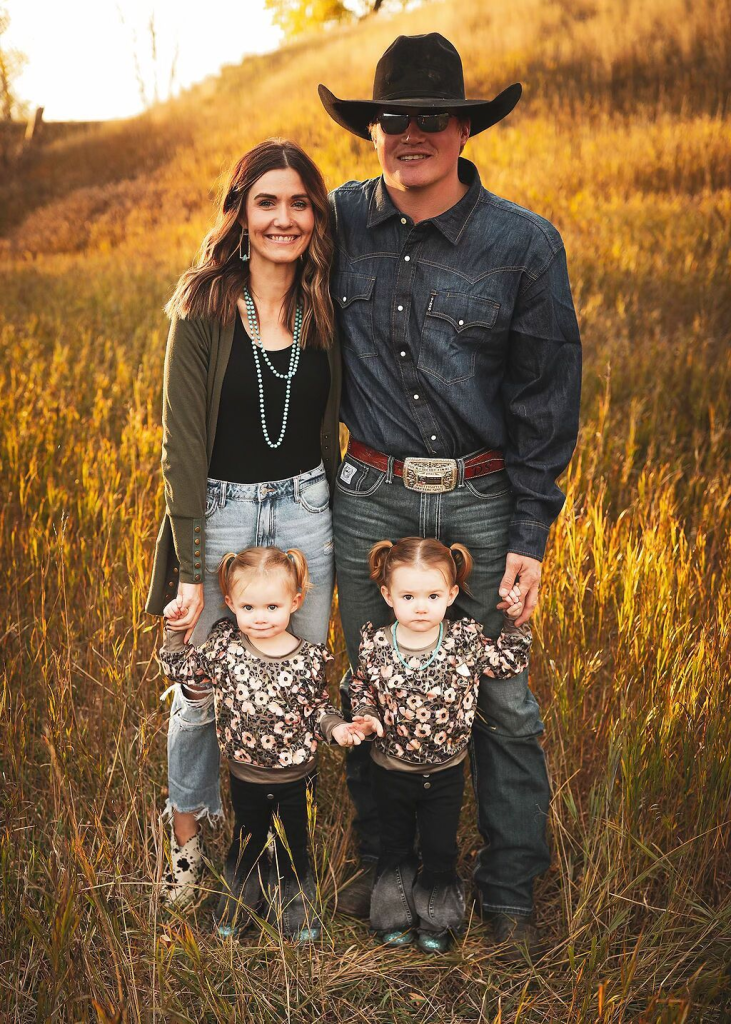
Knowing that he could have still fought bulls with one eye, Spiel made the difficult decision to retire. “It was probably the hardest decision ever. Me and TyAnn talked and it was just the best decision to give it up.” Spiels have twin daughters aged three, and did not want to risk the chance of his losing sight in his other eye.
Before his accident, Spiel maintained a fencing, trucking, and custom haying business on top of rodeoing. After his injury, he was unable to work. “I was on bedrest from July 4 to August 1. A lot of the neighbors and friends really stepped up. I was about halfway done with my haying season, with 2,500 more acres to do.” He is grateful to his brother-in-law Wyatt Schuelke and friend Seth Longbrake for their help haying, taking care of cows, and doctoring calves while he was injured.
He is home with his family and focusing on his businesses while seeking options for his eye.
“There’s still a chance. That’s why we don’t want to take the eyeball,” he said. “It looked really good before the last surgery.” Though there is not currently technology to perform eye transplants, Spiel hopes one day there will be. Once you take the eye out and fuse nerves, you’re done. If it’s going to be 10 years, we’ll just wait.”
For more information or to order the LicaBell, see LicaBrand.com.