Fall Cattle Journal 2025 | Larson Ranch
-
The Larsons implemented rotational grazing in the 1960s.
larson2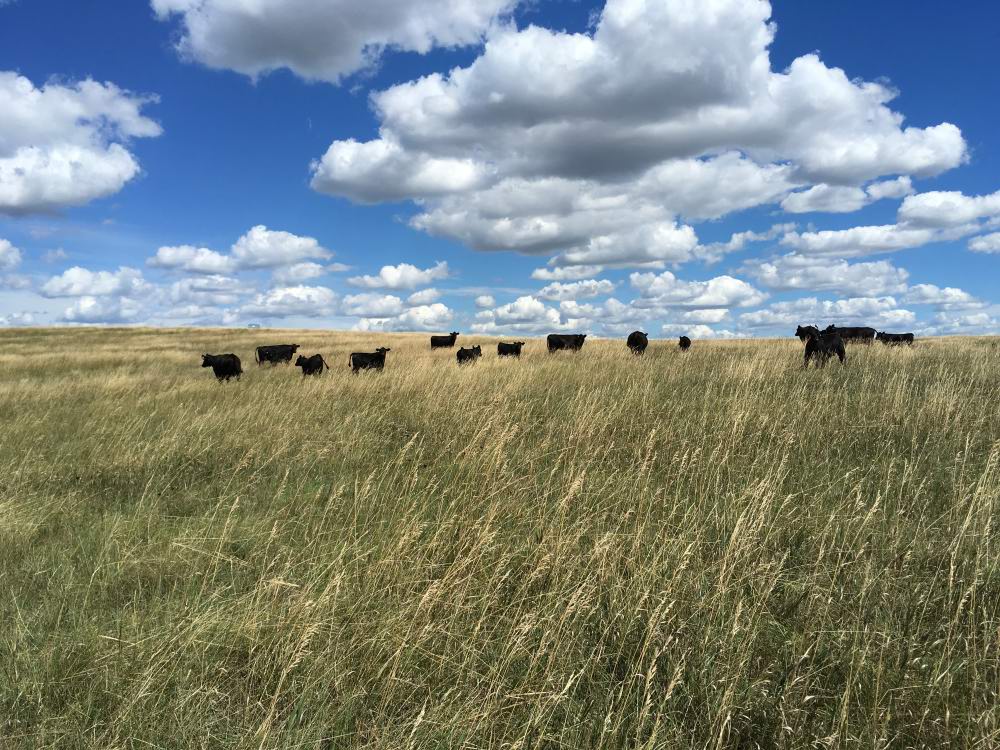
-
The Larsons have utilized no-till and minimum till farming practices since the 1970s.
farming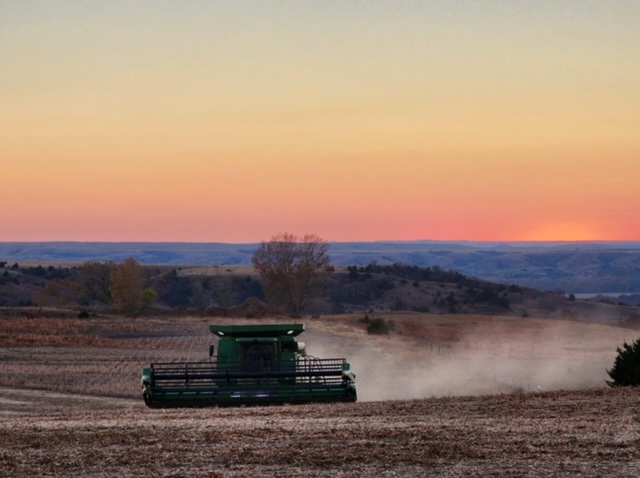
-
The Larson Ranch was homesteaded near Hamill, S.D., in 1909.
homestead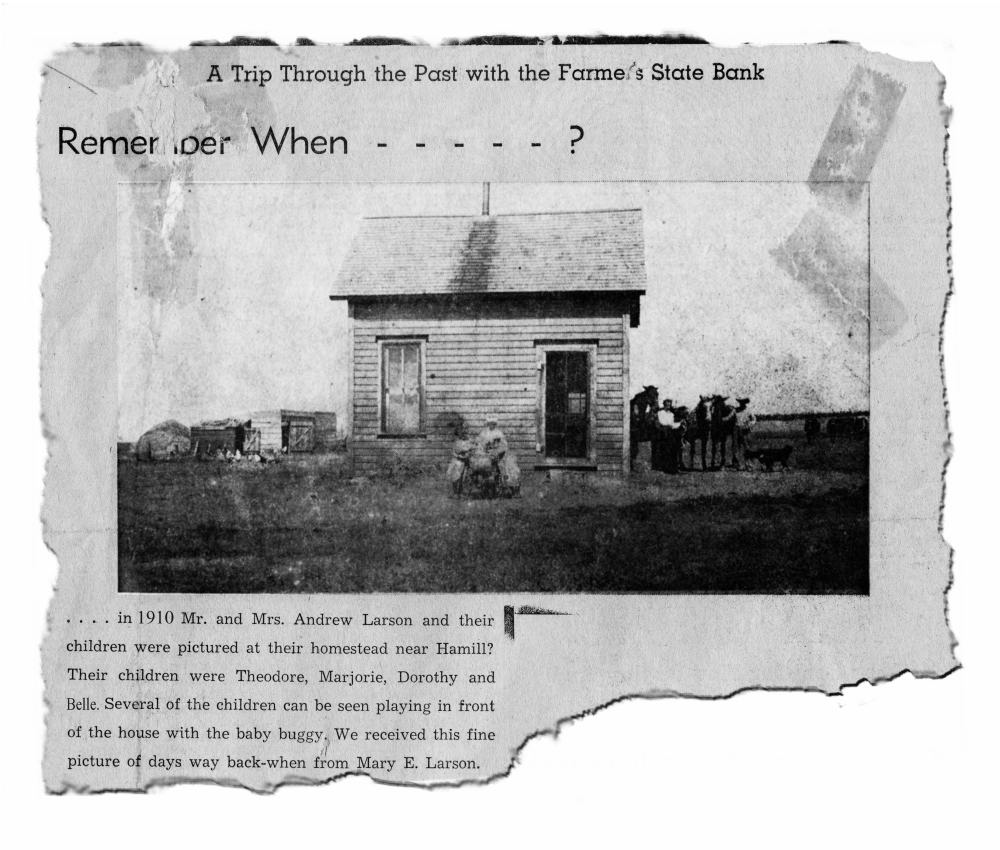
-
-
Travelers from all 50 states and 10 foreign countries have visited the ranch for hunting pheasants, deer, turkeys and other wildlife.
larson hunting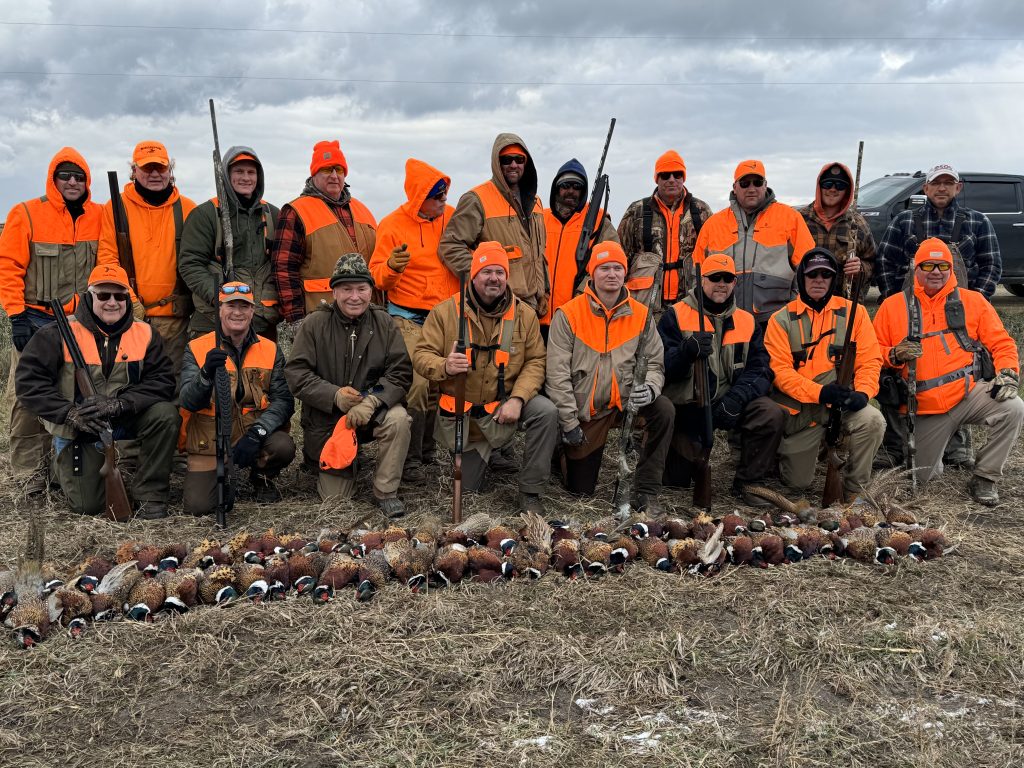
-
Conservation is important to the Larsons because they want their ranch to be there for generations to come.
Screenshot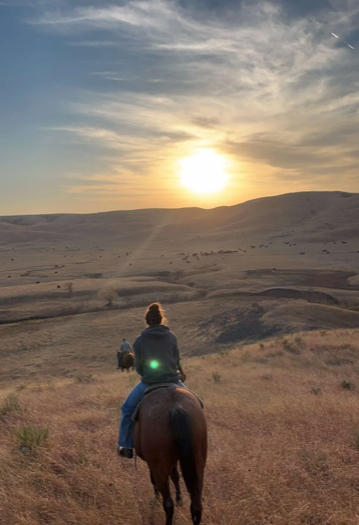
-
The Larsons run about 700 cows of their own and around 1,100 cows for customers over the summer.
larson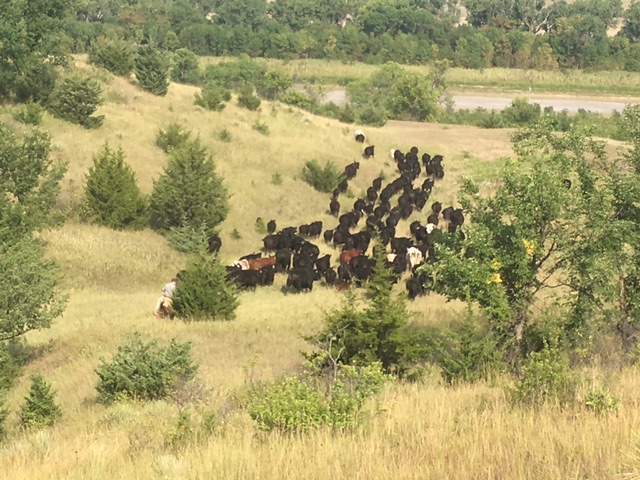
For 117 years, Larson Ranch near Hamill, South Dakota, has run cattle and raised crops.
Brothers Audie and Monty Larson’s great-grandparents on both sides of the family homesteaded the ranch 30 miles southwest of Chamberlain, in 1909. The operation today involves the brothers along with their two sons, Jesse and Trace and wife, Katie; Audie’s wife, Holly; and their sister and brother-in-law, Vicki and Joel Stuart. Their dad, Darrell, was involved with the operation up until the day before he died at the end of June.
They all live within a few miles of each other, with Jesse and Trace recently purchasing property adjoining the ranch.
On the operation where they run about 700 cows, 600-800 bred heifers and around 1,100 cows for customers over the summer, they manage the pastures for healthy grass. They also raise Angus, Charolais and Simmental bulls for sales in December and April.
“We rotational graze and then a lot of times we reverse directions from year to year. Wherever we end in the fall this year, we’ll start in the spring next year. That gives pastures the chance to reseed themselves,” Audie said. “Then we usually leave a couple of pastures every year we don’t utilize and let them rest once every seven or eight years.”
Their grandfather started the practice of rotational grazing and pasture rest in the 1960s. He believed in leaving at least 50 percent of the grasses when they’re done grazing it, along with reversing directions and letting them rest every seven to nine years.
By following these practices, they can stock a lot more cattle than in pastures that are not managed this way.
“It doesn’t take near as many acres because the roots are always healthy on the grass. By leaving enough vegetation every year it helps overwinter so much better,” Audie said.
As part of their conservation efforts, the Larsons leave a lot of ground for nesting for the birds and wildlife. They fence out about 20 miles of river frontage that the cattle never get to so the wildlife have an undisturbed area.
They see a lot of whitetail and mule deer, pheasants, grouse, prairie chicken, Canada geese, ducks and turkeys.
“One of the neat things we’ve been told about our prairie chickens is they are called a greater prairie chicken because they’re bigger than normal,” Monty said.
In addition to raising cattle, they also grow corn, soybeans, milo, wheat, oats and forage sorghum for silage. They sell the wheat and soybeans, while most everything else goes back into the cattle.
The Larsons implemented no-till practices on the ranch in 1976. However, after doing it for so many years, they found their pH was getting out of balance because the microorganisms were out of balance. At that point, they did some minimum till and vertical till with roller baskets and then worked the ground once every few years. That gets the pH back to normal and then the microorganisms are healthier.
On the farm ground, they have cut way back on the use of commercial fertilizer. They use bugs and extra zinc mixed in with the seed when planting. The bugs eat the soil and break it down so the plant can use the natural fertilizer in the ground. This makes the root mass on the corn plant about double.
Larsons have created their own cover crop mixture that includes 16 different plants.
“It really builds the soil up. We’re seeing by cutting back on fertilizer, using more manure and cover crop we’re getting the soil much healthier and we’re getting a lot more earthworms back,” Audie said.
Over the winter the cows graze the cover crop. Once the cows eat the beets, turnips and lentils, they leave holes in the ground so when they get moisture in the spring they hold water, allowing it to percolate into the soil better.
In addition to cattle, Larsons also raise registered Quarter Horses that have sold to new owners in 19 states. Monty and Audie’s grandfather, Ted, and uncle, Glenn, were a big influence on the horse side of the operation. With Jesse and Trace involved in the operation and seven kids under 10 years old, they are using horses on the ranch for a lot of things.
They utilize stock dams around the property along with pipelines to water tanks from artesian wells and a few that run off of rural water.
They also use irrigation. They use two systems that they built in 1976 where they have a dam of 30 surface acres of water when it’s full. The dam used to be stocked with rainbow trout until the drought in 2012 when they died. Now the dam is stocked with bass.
In addition to ranching, they also host visitors for hunting, camping, horseback riding and photography. They have had visitors from all 50 states and 10 different countries.
“That’s always one of the things Dad liked about the hunting it was one of the greatest ways to be in contact with people,” Monty said. “That was the one thing that would draw people from anywhere in the world here. Another thing that was very important to Dad that we hope to carry on is our faith. He said some of those people never hear it from anywhere else.”
“The world is smaller than we ever realized. You might touch another person’s life without even realizing it,” Audie said.
Conservation is important to the Larsons because they want to be good stewards of the land and the wildlife and they want people to come and enjoy it. They want their children and grandchildren to have a place to look forward to.
“Growing up even as a kid, our mindset was what are our grandkids going to have to look forward to, so you want to take care of things looking forward because it isn’t just about your generation,” Monty said.
“We just hope we’re blessed enough that we can go for another hundred years and several more generations,” Audie said.
Learn more about the Larsons at larsonranchllc.com.