In the Wake of Helene
Ashley Smith Helene 6
Hurricane Helene made landfall in Florida late in the evening, Thursday, September 26. The storm cut a swath of destruction north across Georgia and into western South Carolina, North Carolina, Virginia and eastern Tennessee, causing flash flooding, landslides and snapping power lines and trees. Over 200 people are reported dead, with hundreds still believed missing and unaccounted for as of Friday, October 4. Homes, businesses, roads, bridges, water lines and other infrastructure have been severely damaged and destroyed. A state of emergency has been declared in these states, and President Biden deployed troops from the 82 Airborne Division to assist in relief and recovery work. National Guard units from 15 states are also at work, along with countless first responders, law enforcement and medical personnel, pilots, equipment operators, linemen, volunteers, neighbors and family members.
While it may pale in comparison with the loss of human life, the effect to agricultural producers across the region is extreme. The extent of the impact will not be completely realized for some time.
Georgia
Georgia Cattlemen’s Association started sending tankers into affected areas to help get water to cattle.
“As with any hurricane, we had lots of wind, lots of trees down, and lots of fences gone,” said Executive Vice President of the Association, Dale Sandlin.
“We’re currently in the situation where we’re trying to get water to the affected producers. Most of the producers are using well water to water their cattle. Without power, they cannot get normal water delivery to their cattle, so we are sending tankers into the affected areas. It’s pretty devastating and it’s going to be a very long road to recovery.”
Parts of the state were in D-1 to D-3 drought conditions over the summer.
“We were in pretty desperate need of rainfall. Some rain soaked in but a large amount of the rain received ran off,” Sandlin said.
But there are still producers they haven’t been able to get in touch with.
“Communications continue to be spotty at best, so we’re trying to address all that,” Sandlin said. “The biggest thing on this one is that it is just total devastation. Our governor said this morning in a press conference that it looks and feels like a 200 mile wide tornado.”
While Helene was no surprise to Georgians, the storm did take a different path than originally forecasted.
“The original storm projection had it going right up I-75, but it kicked east and went through Valdosta and Augusta, then shifted over to catch South Carolina, North Carolina and Tennessee,” Sandlin said. “People that were hit were not expecting to be hit with that bad of an impact.”
The cattlemen’s foundation has a disaster relief fund set up to help affected producers.
“All money donated goes to disaster relief only,” Sandlin said. “We don’t take any administration costs.”
Florida, North Carolina, South Carolina, Tennessee and Virginia Cattlemen’s Associations also have disaster relief funds established to help cattle producers affected by the hurricane.
-
Hurricane Helene caused serious tree damage and downed power lines across several states.
Ashley Smith Helene 4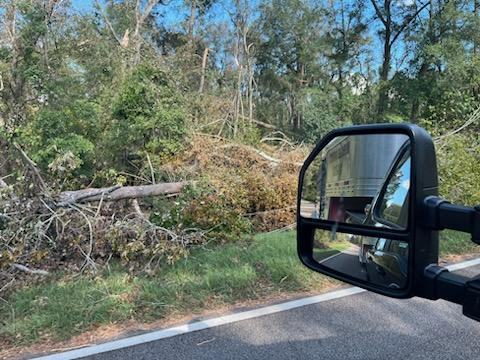
-
Power lines are down across several states following Hurricane Helene.
Ashley Smith Helene 3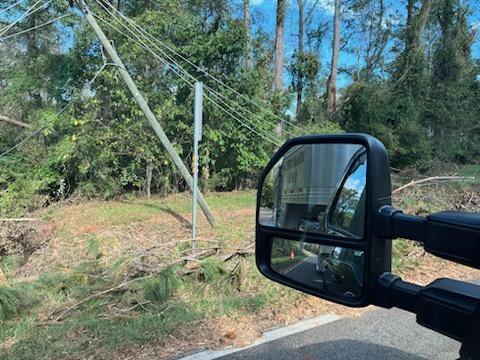
-
Power lines are down across several states following Hurricane Helene.
Ashley Smith Helene 2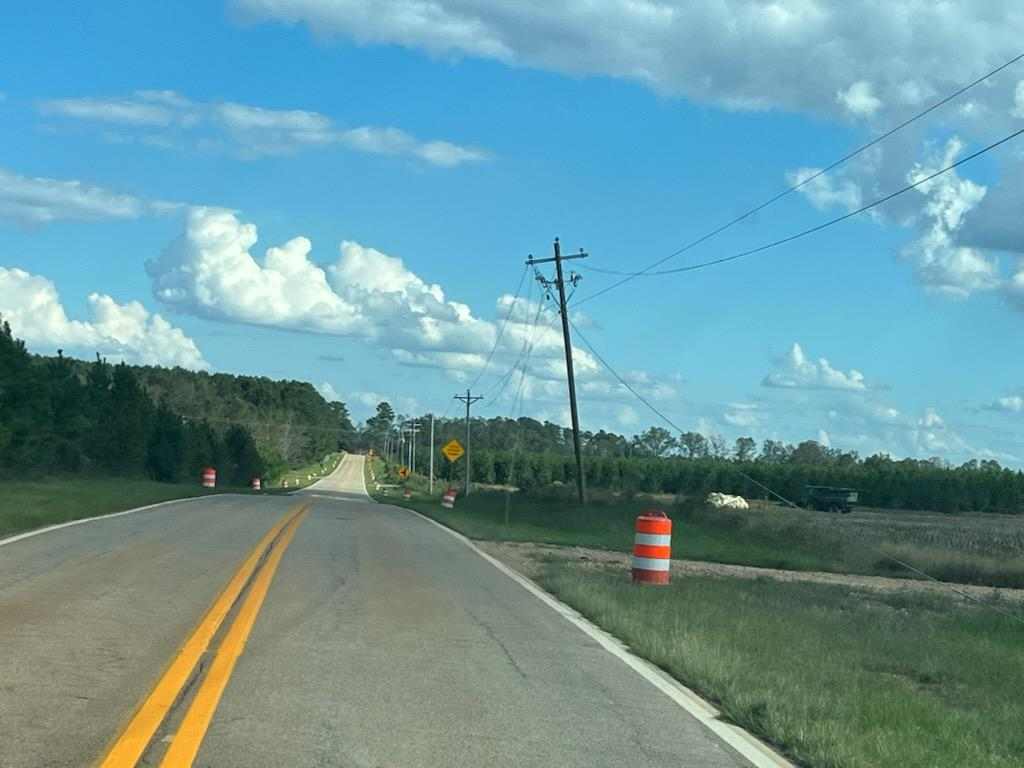
-
-
Crop damage is significant due to the hurricane.
Ashley Smith Helene 1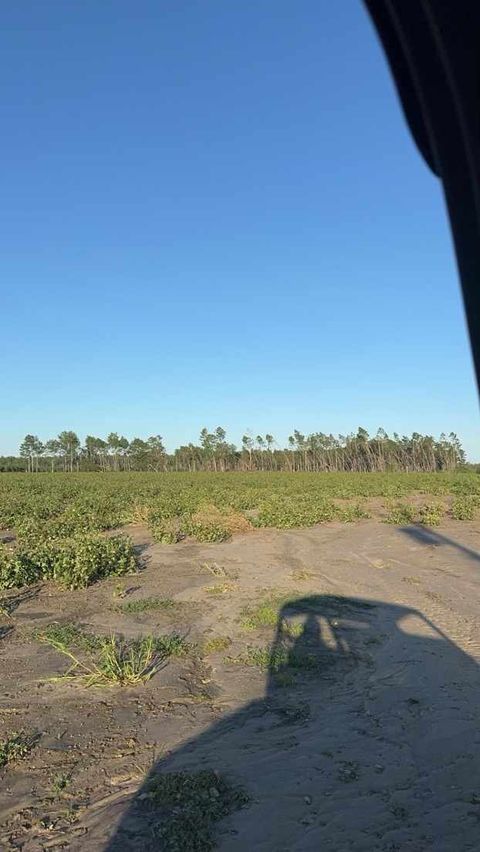
-
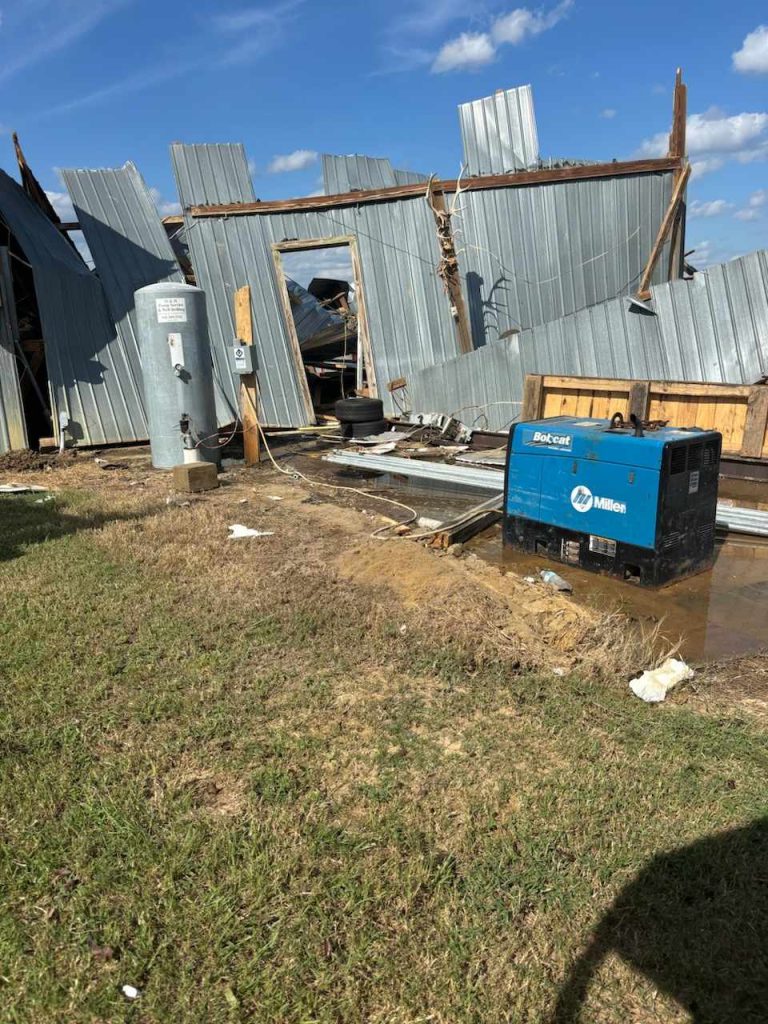
High winds have damaged structures across Georgia. Farmers can’t start cleanup until insurance adjusters arrive to inspect their property.
Ashley Smith Helene 7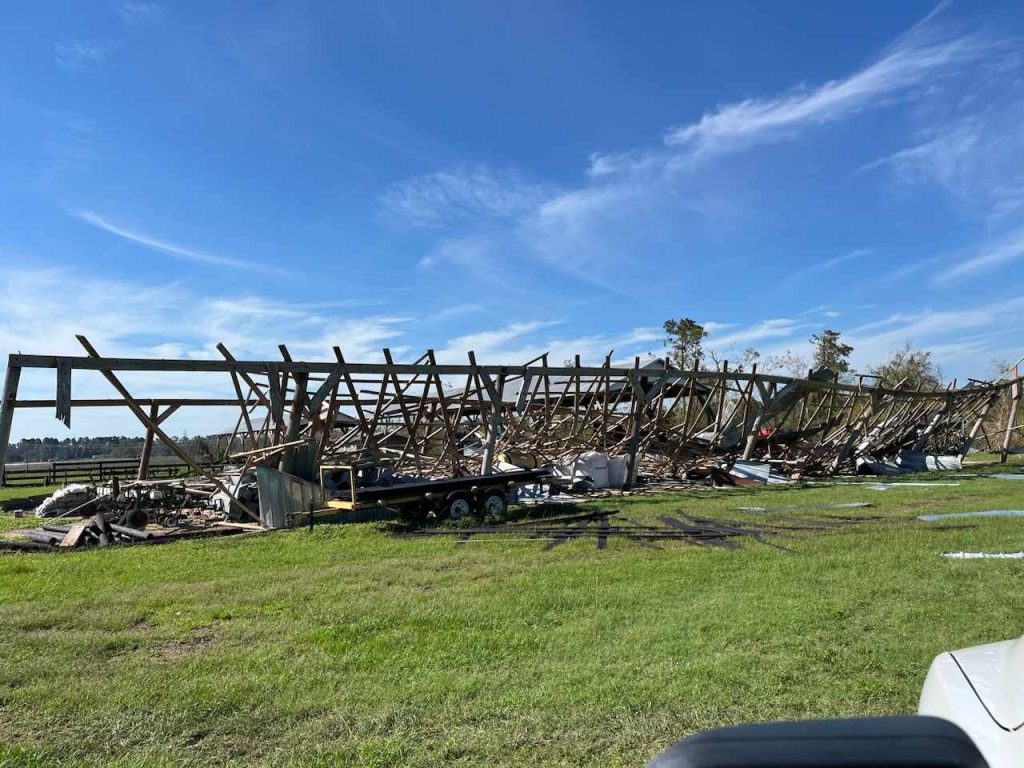
-
Generators are being used across the hurricane impact area to run wells and other ag-related equipment while the electricity is out.
Ashley Smith Helene 6
-
Hurricane Helene caused extensive tree damage.
Ashley Smith Helene 5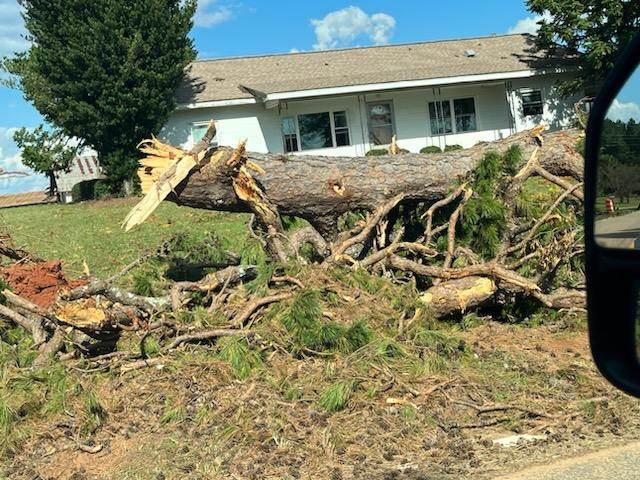
Katelin Benkoski
Katelin Benkoski works for AgSouth Farm Credit, ACA, in central Georgia, and is an active part of her family’s dairy, Big Sandy Creek Farm. While their farm was minimally impacted, she said other farm families in the state and surrounding areas have been devastated by Hurricane Helene.
“One of the biggest impacts we’ve seen is people having a hard time getting water to livestock,” she said. “A lot of people in Georgia, especially in rural areas depend on well water, and obviously a well has to have power to run.”
Fire trucks and truckers with tankers are hauling water to cattle, Benkoski said.
“One cow drinks 40 gallons of water per day so it doesn’t take much time to run out. Most properties don’t have running water where cattle can drink. That has been a really big issue for people I know.”
Trees and debris landed on fencing, so cattle have strayed. Farm stores in the hurricane’s path aren’t open yet or they are without internet or power, so people can’t readily buy fencing supplies.
“One friend closer to Augusta spent several hours chasing 600 cows on 1200 acres to get them back where they belonged because their perimeter fence was completely gone. They had 100 head in a peanut field. The cattle side has definitely been challenging, and in Georgia we have a lot of cow/calf operations.”
Some people have opted to give cattle access to ponds, but this also poses a concern.
“Because of the drought this summer, there has been a lot of algal bloom, which can kill cows as well,” Benkoski said. “So it’s either let them die from the toxin or let them thirst to death…”
On the crop side, Benkoski said farmers have already had a tough year with drought conditions and army worms.
“There is a lot of concern with margins and crop yields,” she said. “Now you’re looking at flooding in some areas. A friend in another county told me they have a 60% minimum loss on 30,000 acres of cotton; it looks like snow on the ground. That’s a big, big loss. That’s just in one county; there are several other counties impacted for sure.”
Peanuts are a big problem as well.
“Peanuts grow underground, and a lot of them are still underwater,” Benkoski said. “Another problem is that without power and internet or cell service, farmers can’t use Precision Ag equipment and GPS to harvest what’s left.”
The poultry industry was also hit hard by Helene.
“Georgia is the number one poultry producing state in the country,” Benkoski said. “In one county alone they had 300 chicken houses flattened.”
These “chicken houses” are not the quaint coop in your grandmother’s back yard.
“They can house anywhere from 40,000-60,000 chicks, some even more than that,” Benkoski said. “The ones that are still standing don’t have power and the waterers and feeders run on electricity so people are having to use generators in some areas. Fuel is a big problem; a lot of these areas are out of fuel or can’t get fuel.”
Most power has been restored in Morgan County, where Benkoski lives. People from harder hit areas are showing up to get fuel and groceries.
The impacts from the Helene disaster will not be fully realized right away, Benkoski said. What hits today will impact the future for both farmers and consumers.
“Those chicks that died in those chicken houses are a six week crop, so you won’t see a chicken problem till six weeks out. Cows are next year’s market for the calves. With crops you’ll see some losses quicker on some things.”
Another friend told Benkoski that she has never seen so many farmers cry.
“That’s a big thing,” she said. “Farmers don’t cry. They don’t ask for help. When they do ask for help, it is very humbling.”
Many farmers are having to sit idle, waiting for a crop adjuster to come look at their fields and insurance adjusters to document the damage on their farms.
“Farmers don’t do well with idle hands,” Benkoski said.
Tennessee, Anonymous Volunteer
A woman who preferred to remain anonymous is helping with relief efforts in the Del Rio, Tennessee, area.
“The biggest thing right now is survival,” she said. “I did a wellness check on an 87 year old man who said he has never in his life seen anything like this; he lived through Hugo, through Katrina, and they were nothing compared to this.”
Many families in the community lost family members, and many people are still missing.
“Most recently we found an ER nurse who had been missing for two days after trying to do swift water rescue; he was found deceased,” she said.
The woman described one family whose home was completely washed away.
“Where their home was, there is a 12 foot hole about 30 feet wide filled with water. They can’t find even a singular piece of debris. They lost everything: baby pictures of themselves, their children and their grandchildren. She said it was 50 years of memories they will never see again. She can’t even find pieces of her house.”
Several people in the small community of Del Rio moved horses to higher ground when the flash flood alert was issued.
“Their homes were completely washed away. We were able to get them some hay and they were very grateful.”
This individual has heard many reports of cattle and horses washed into the river and swept away, particularly in nearby counties.
“A lot of people are missing their horses, and this may sound crazy, but with this destruction it might be hard to spot even a large horse body in the debris piles. There are whole houses against trees that are not even houses any more, they are just smashed.”
“There is a ton of livestock in this area, but a lot of them are way out in the boonies. I visited a dude ranch that was closed in and not able to get out; we created a road for them and they met us halfway. Tears were coming down their faces. They fared well, and were stocked up sufficiently for a month, but they didn’t know when they were going to be able to get out.”
One critical need will be for wormer for horses.
“After all the flooding coming through and all the bacteria in the water, even if animals were moved and then put back, everything will need to be wormed,” she said. “It’s something nobody is thinking about yet. People who were flooded, all their hay is gone, so we have been helping deliver hay. But right now the biggest thing is survival.”
Food, medicine, and feed for livestock and pets are the primary needs. People in need are not in a position to accept donations of clothing or other household items at the moment.
“We’re just trying to reach these small towns and rural communities. There are teeny tiny little towns that people don’t even know the names of that we’re trying to get help to.”
North Carolina
Allison Brown
Allison Brown, North Carolina State University Extension Director for Alexander County, said that her area was impacted, but not to the extreme of neighboring counties.
“We are in the furthest east county within the State of Emergency,” she said. “We had damage; a lot of trees are down, and we had rain totals around 11-12 inches. A few roads are washed out, trees are on fences and farmers are having to do a lot of fence repair, but it’s nothing compared to the counties above us and to the west.”
In the first days following Helene, the focus was on survival needs for people: food, water, baby formula, fuel, and searching for people who were missing. Right away, farmers started reaching out to the extension service to find out how they could help other farmers who had been hit by the storm and flooding.
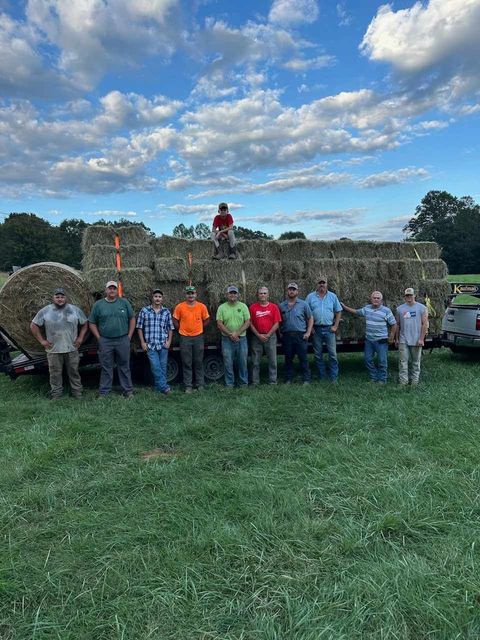
NCSU extension and livestock agents across the state quickly coordinated ways to set up aid for ag producers. A warehouse was located to stock with necessary items and hay donations started coming in.
“We are coordinating loads of square bales, as they can be transported by UTVs and ATVs,” Brown said. “We are also sending temporary fencing supplies and solar fence chargers. It’s also important to remember that they will need hay in the coming months and many farmers lost their hay supply to the flood, so we will continue these efforts for months to come.”
Brown’s family kept their chicken houses functional with generators operating during the days they were without electricity.
“It’s not just months it will take to recover from this, it will be years,” she said.
Nick Price
Nick Price, who grew up near Marion, North Carolina, is working to help neighbors as North Carolinians start to pick up the pieces after Hurricane Helene.
“It’s not good,” he said. “What the water didn’t wash away the mudslides did. Right here where I’m at we didn’t get it quite as bad as they did just up the mountain. Old Fort is just ten miles or so up the road from where I am and it pretty much washed the main part of town away.”
Price said his family dealt with trees down on fences and some livestock that got out, but nearby, the impact from the storm was devastating.
“It rained so much over two days and then the wind blew 60 miles per hour, so the trees popped up out of the ground. On up the mountain, if people were down low they were worried about flooding and further up the mountain there were mudslides. It slid Lord knows how many homes off.”
As of Tuesday, October 1, Price said that thousands of people remained missing and entire towns have been destroyed.
“It has been devastating,” he said. “Children are floating in the rivers. It makes you sick.”
For the time being, Price said they were working on cutting downed trees and cleaning up at home and in their neighborhood, but he had plans to head up the mountain with a crew in a few days.
“There are dozens, probably hundreds of people stranded. They can’t get in our out; a lot are elderly people and people with kids,” he said. “We’re going to go with lots of equipment, and we’ll have some people on foot and some people who can help work on roads.”
As of Tuesday, Price said the state had not yet sent crews to work on the roads in the mountains.
“A lot of locals that have equipment [are working] to get roads to where there is access,” he said.
One of the older dairy farms in the area had cows washed 40 miles down the river.
“It took everything and it took it pretty quick,” he said. “Poultry houses washed away, and I’m sure they were full of chickens, because by the time the water gets that high you can’t get chickens to go out in the rain.”
Livestock remains unaccounted for and a lot of livestock is loose, Price said.
“People have picked up livestock and don’t know where they belong.”
Power was still out, and “people are fighting to find water for livestock. The feed people have is covered in mud; a lot of feed got ruined. A lot of good people are hauling stuff in from other places,” Price said. “It’s tragic. We were lucky.”
South Carolina
-
Cattle graze peacefully in a South Carolina pasture following Hurricane Helene, but it will take a long time to clean up all the damaged structures, downed trees and debris.
Yon Family Farms Helene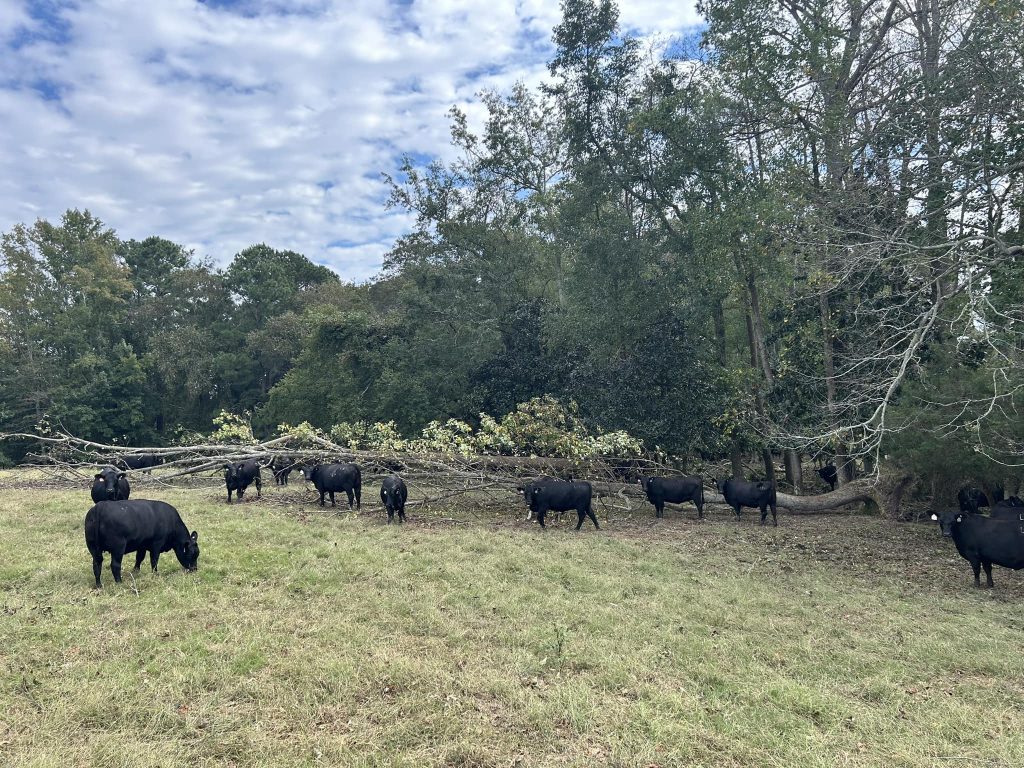
-
Besides the cattle industry, poultry producers and dairy farms have also been severely impacted by the loss of power, flooding and infrastructure damages caused by Helene.
Yon family farms Helene 2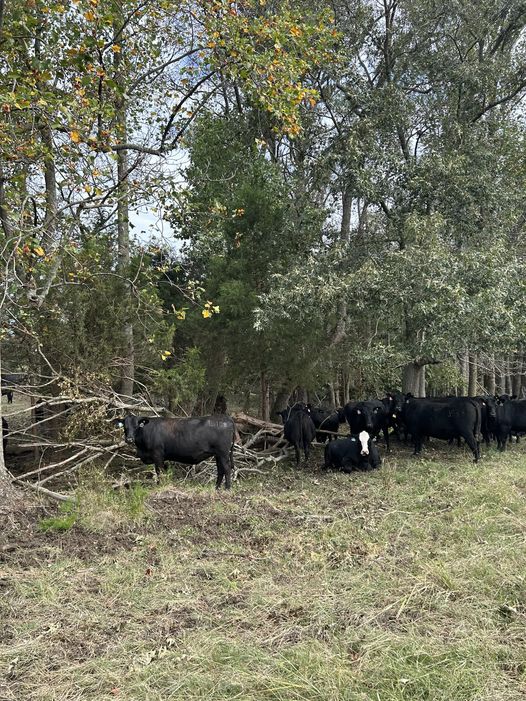
-
Community members across the disaster area have been cooking and serving meals for hurricane victims.
Yon family farms Helene 9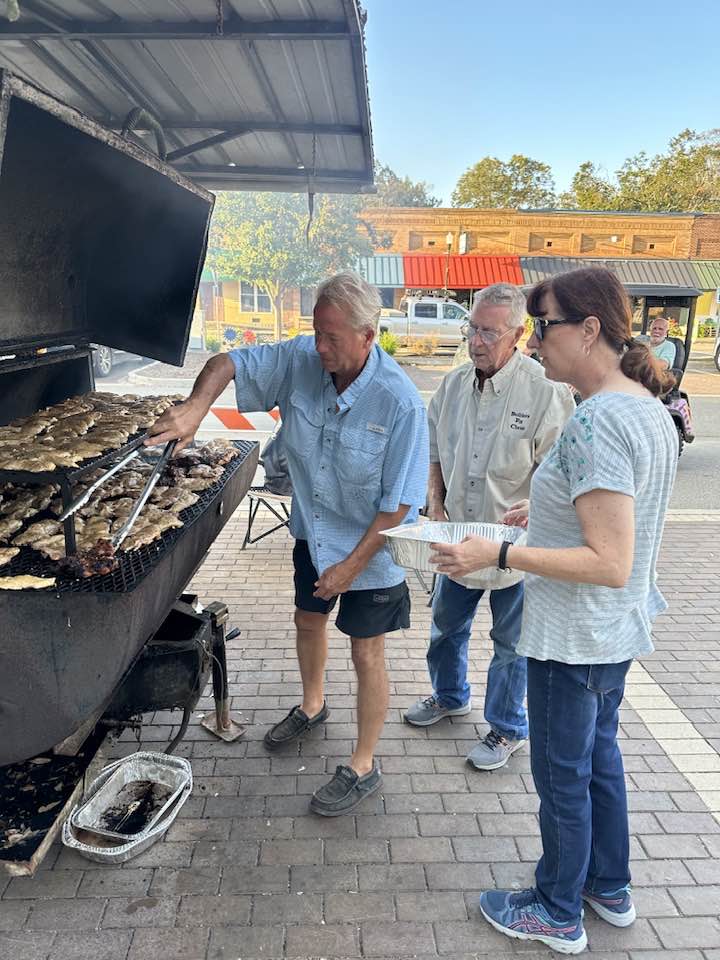
-
-
Cattle wait for water: due to power outages, electric wells are not functional without generators. Tankers and fire trucks are hauling water to livestock in affected areas.
Yon Family Farms Helene 1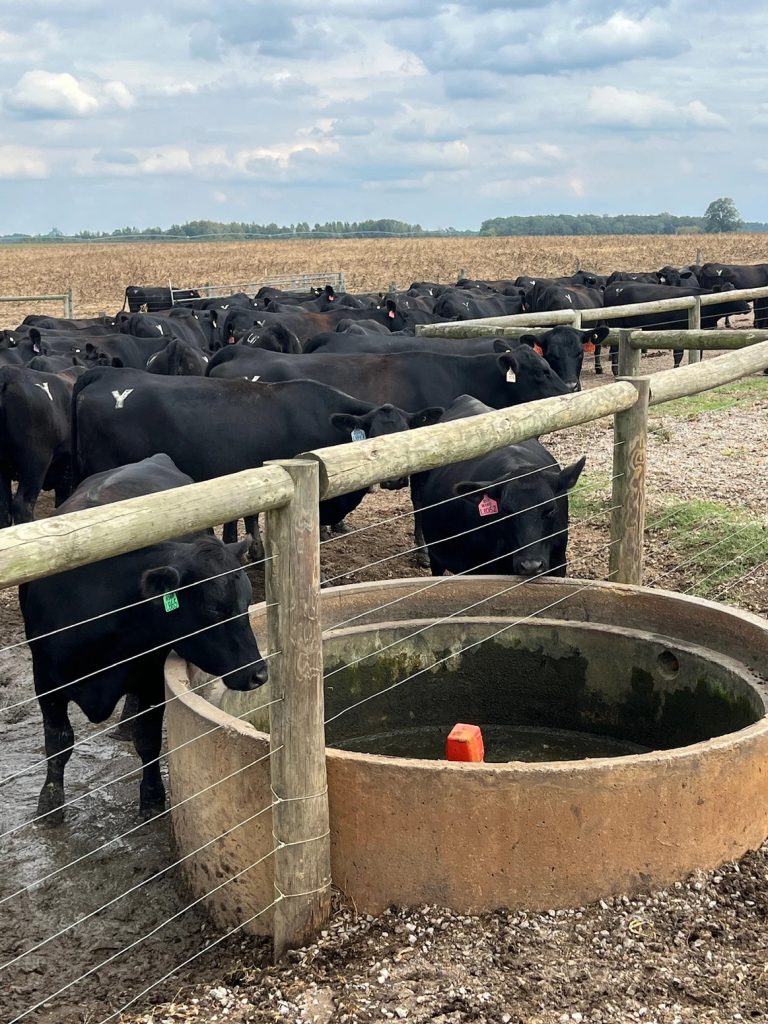
-
Removing downed trees and debris and repairing fences will be a huge project for cattle producers impacted by Helene.
Yon Family farms Helene 3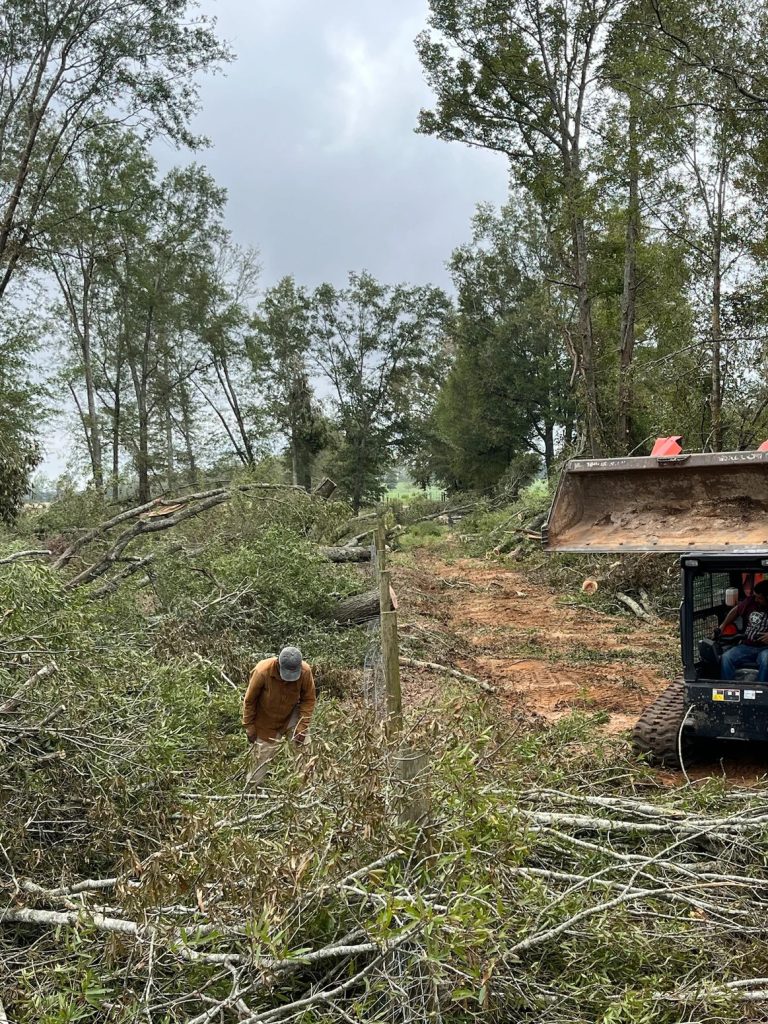
-
Yon Family Farms lost 75% of their pecan orchard. Many of these trees were 50 years old, and some were over 100 years old.
Yon family farms 10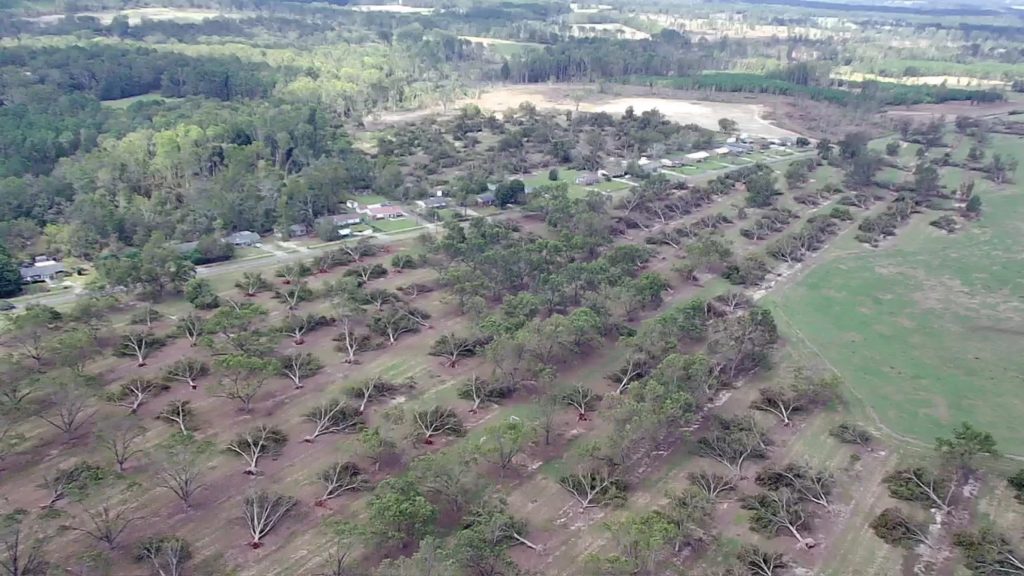
-
Livestock producers had to locate and gather stray animals after Helene destroyed fences.
Yon family farms Helene 8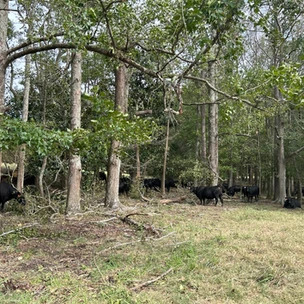
-
The effects of Hurricane Helene will be felt for a long time.
Yon family farms Helene 7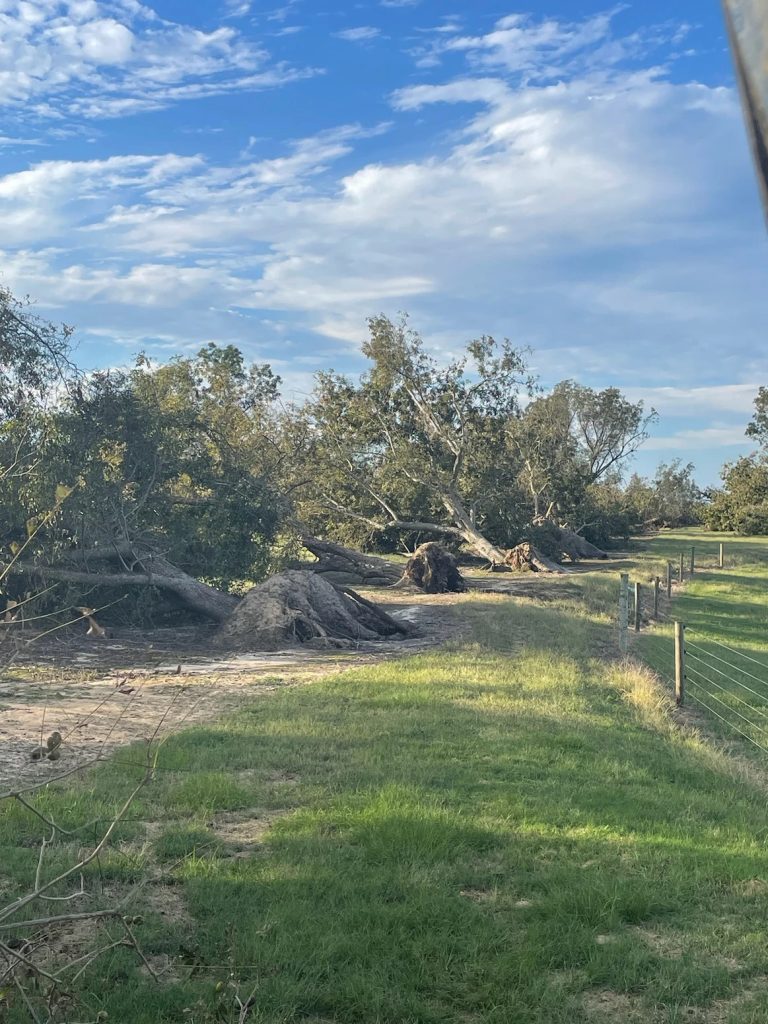
-
Linemen are working to get power restored in the disaster area, but it will be a time consuming process due to the extent of the damage.
Yon family farms Helene 6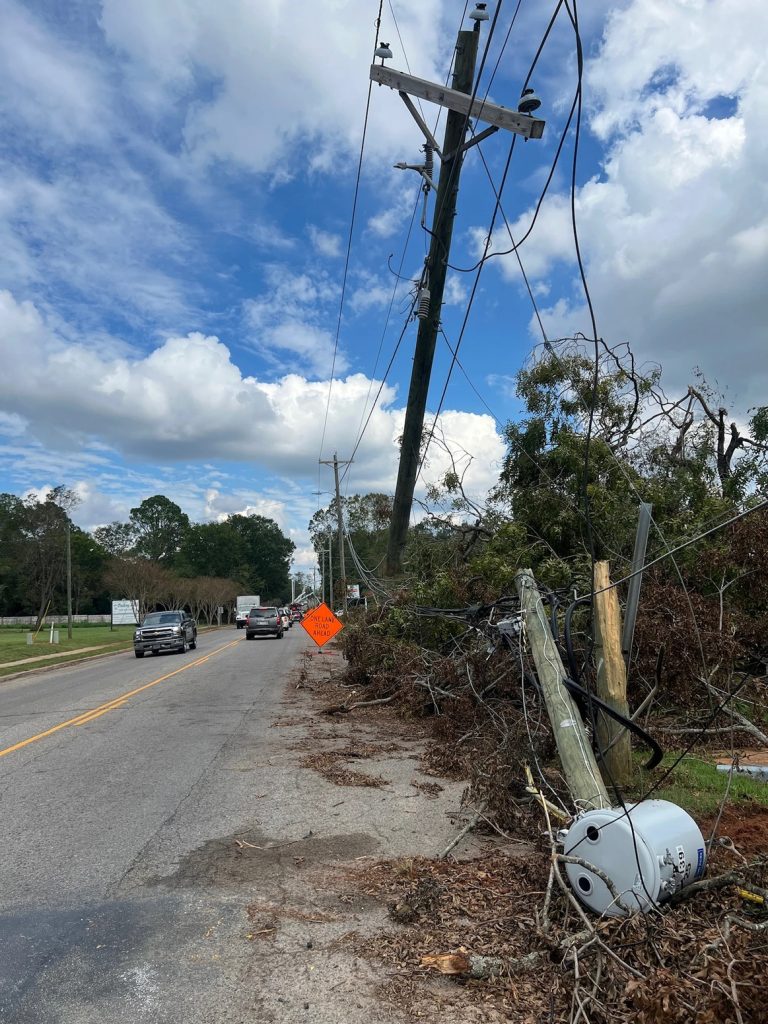
-
Roads are blocked and fences are down across the disaster area due to fallen trees and debris.
Yon family farms Helene 5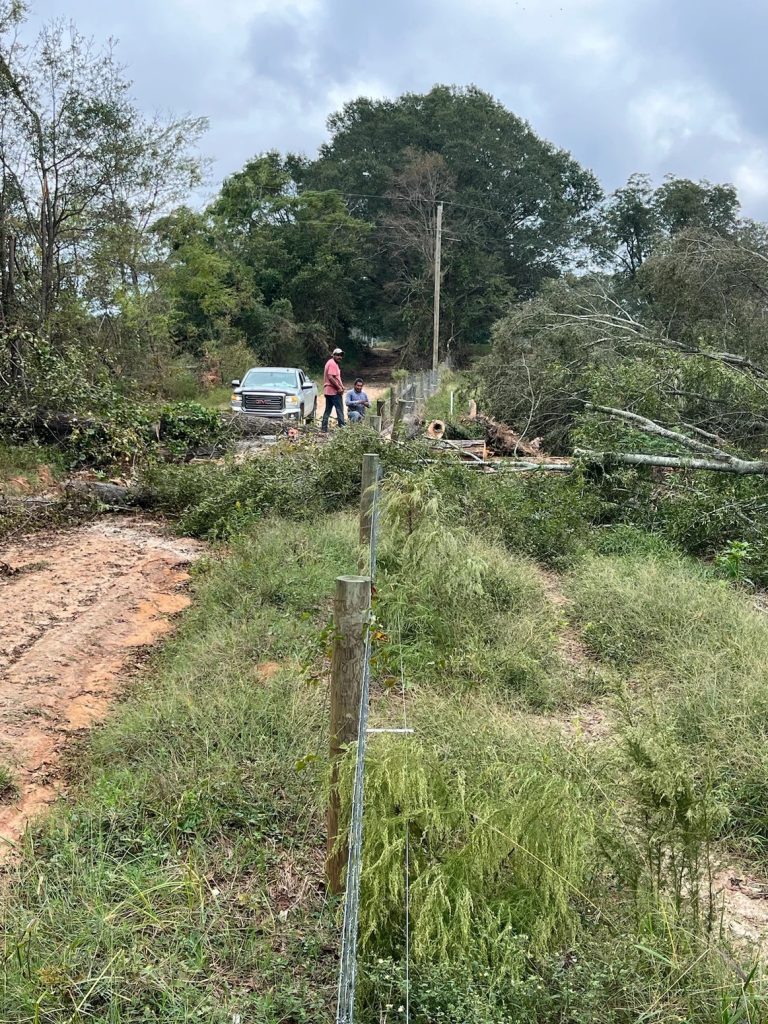
-
The Augusta, Georgia airport recorded 82 mph sustained winds when Helene moved through the area.
Yon family farms Helene 4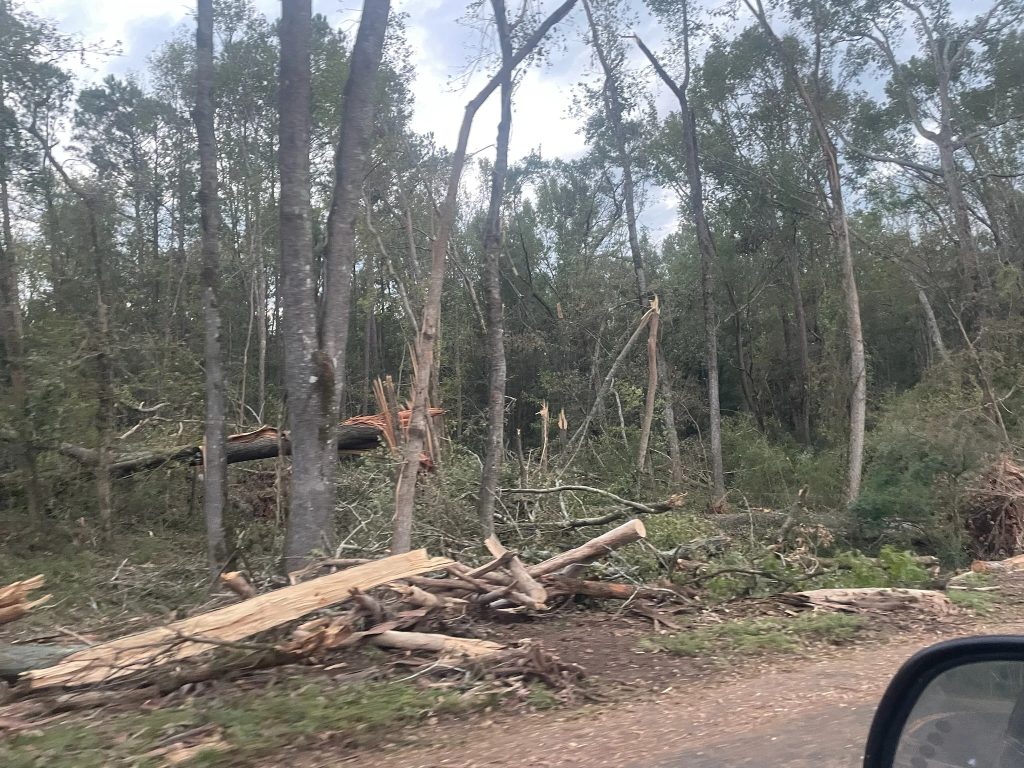
South Carolina Cattlemen’s Association Executive Director Travis Mitchell said that cattle operations in affected areas all across the state are seeing major damage to fences. A Livestock and Forages specialist with Clemson University Cooperative Extension, Mitchell grew up on his family’s cow/calf operation, where he currently runs around 150 head of cattle.
“My farm was one that was right in the center of the storm,” Mitchell said. “They were predicting that it would hit us, but only forecasting 25-30 mile per hour winds. The storm accelerated in speed after it made landfall. The Augusta airport reported sustained winds of 82 miles per hour, but there were also numerous tornadoes that spun off in all the affected counties, so estimating what the wind speed was would be very difficult.”
Significant tree damage from the high winds and tornadoes meant many fence lines were taken out. Power lines also went down.
“A lot of our cattle are depending on well water,” Mitchell said. “so with no electricity we’ve had to make some major changes and adjustments to get water to our cattle, either running wells with generators or turning them back into creeks, ponds, etc. using temporary fencing.”
This is “by far” the worst storm Mitchell has ever seen in his county and surrounding areas.
The western half of South Carolina was in the hurricane’s path. Within the impact area, “fifty percent of us are still without power,” Mitchell said.
Agriculture is South Carolina’s number one industry.
“We also have a lot of big broiler poultry operations, and a lot of those poultry houses have been without power, and lost fuel due to lack of road access to the generators. There have been poultry farms that lost all their birds.”
Pecan orchards were also hit hard by Helene.
“Yon Family Farms, one of the largest Angus seedstock producers in the region, lost 75% of their pecan orchard,” Mitchell said.
The effects of these losses, the stress on livestock, and the financial impacts of rebuilding will be realized for a long time.
“I wish [this story] was a better one to share,” Mitchell said. “I have been humbled to see the communities and neighbors and school districts and churches pull together to help. We always talk about the bad in this world but there is so much good; there is so much good in this world.”