On the Sweetwater: Lander Pioneer Museum exhibits Jack Corbett paintings
-
fd1cc01e-dcf6-49bc-a900-b9b864113bee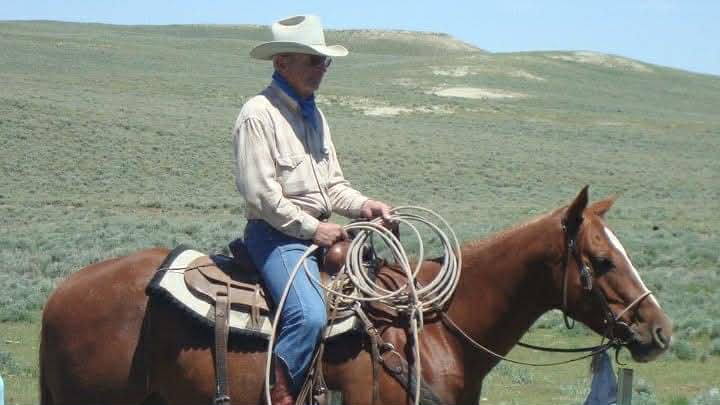
-
3ffcaf8d-d01c-430e-9aa7-2fec79da287e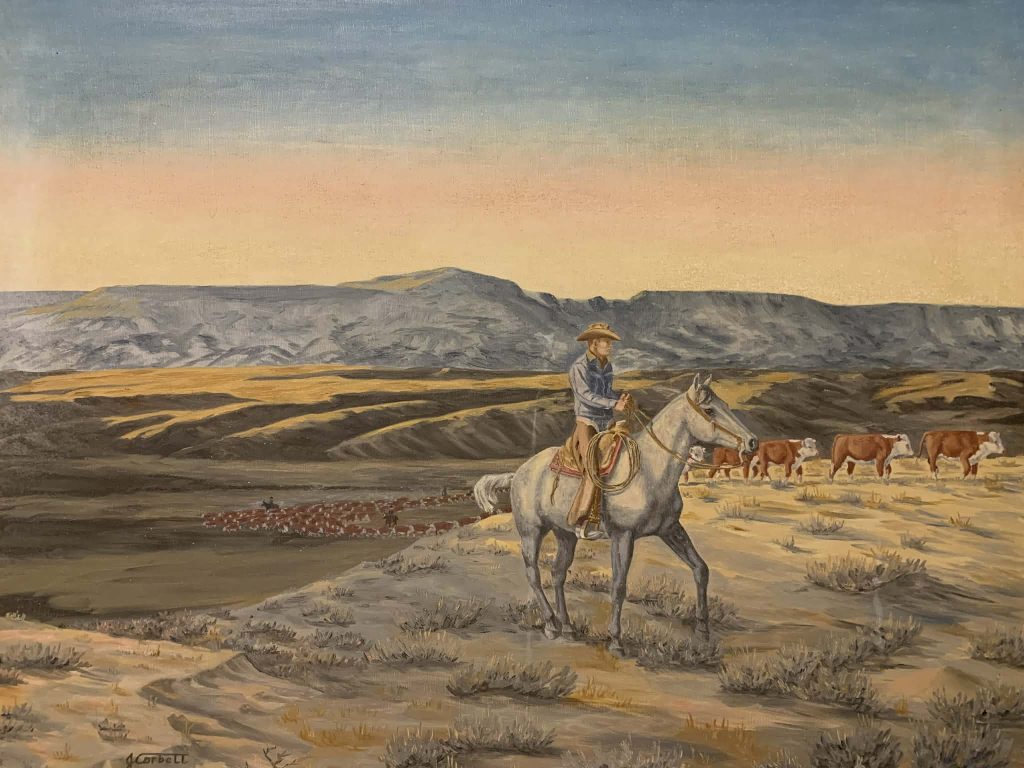
-
989e7b77-1195-4f92-89d5-aad41d2423ee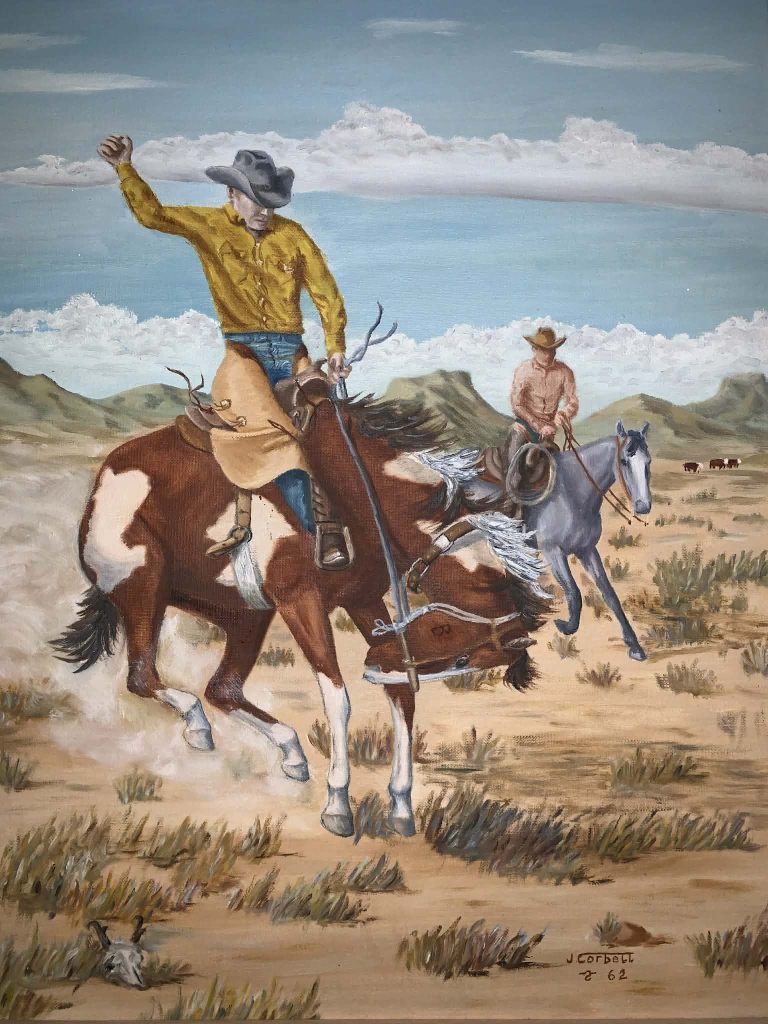
-
-
52cf4c5c-a13a-4b46-a374-cddf4325559e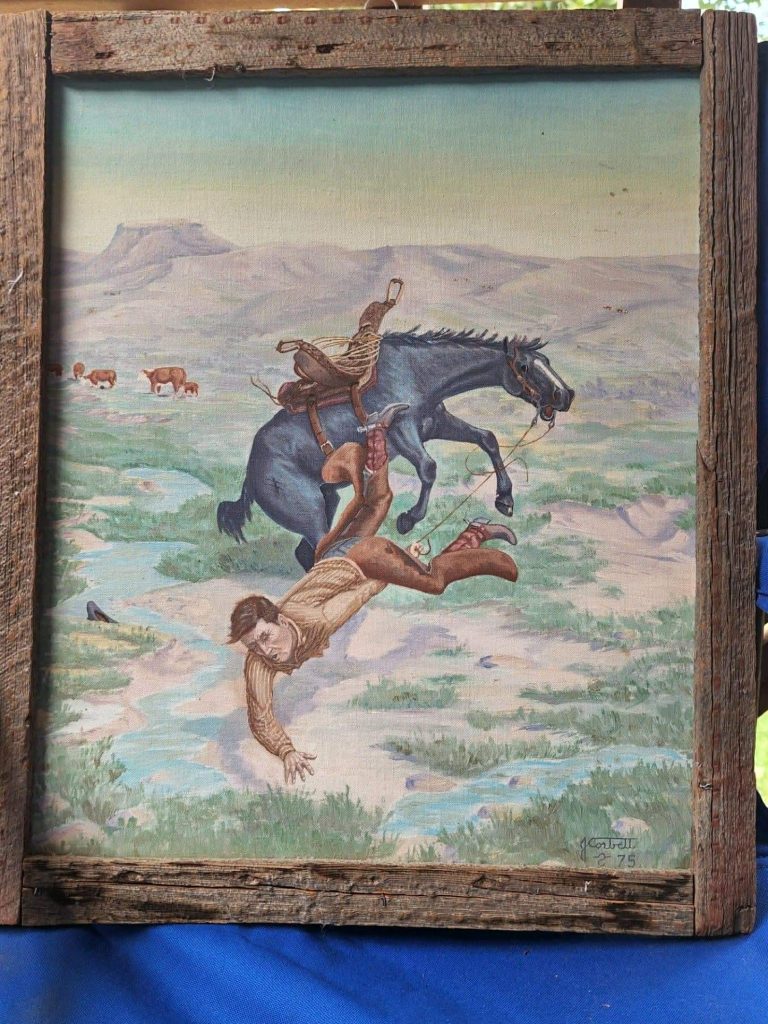
-
a9fcd2d2-44c6-4bf3-bbe8-5aeb9fb1a475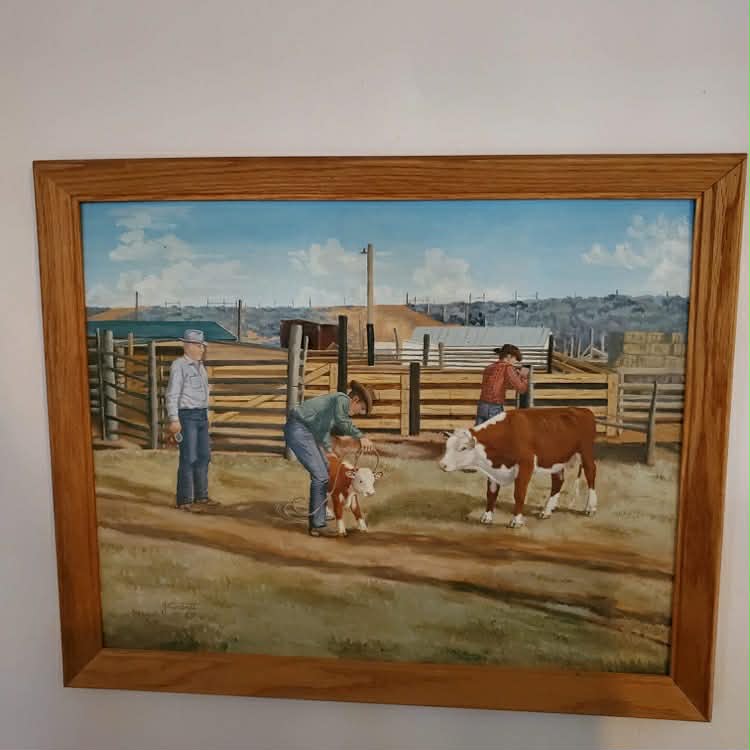
-
Jack Corbett spent his lifetime in the saddle, and, like C.M. Russell, turned what he saw into works of art depicting the cowboy lifestyle he lived on the Sweetwater range in Wyoming. | courtesy photo
77ff9803-6c5a-45cd-9675-e8a150b8ba88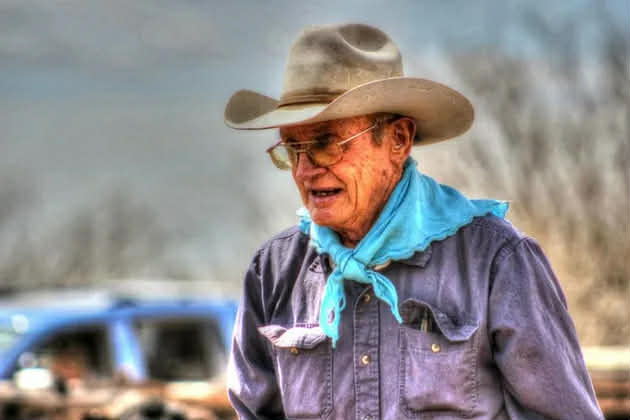
-
3a029632-5e21-4761-9616-944f84b95339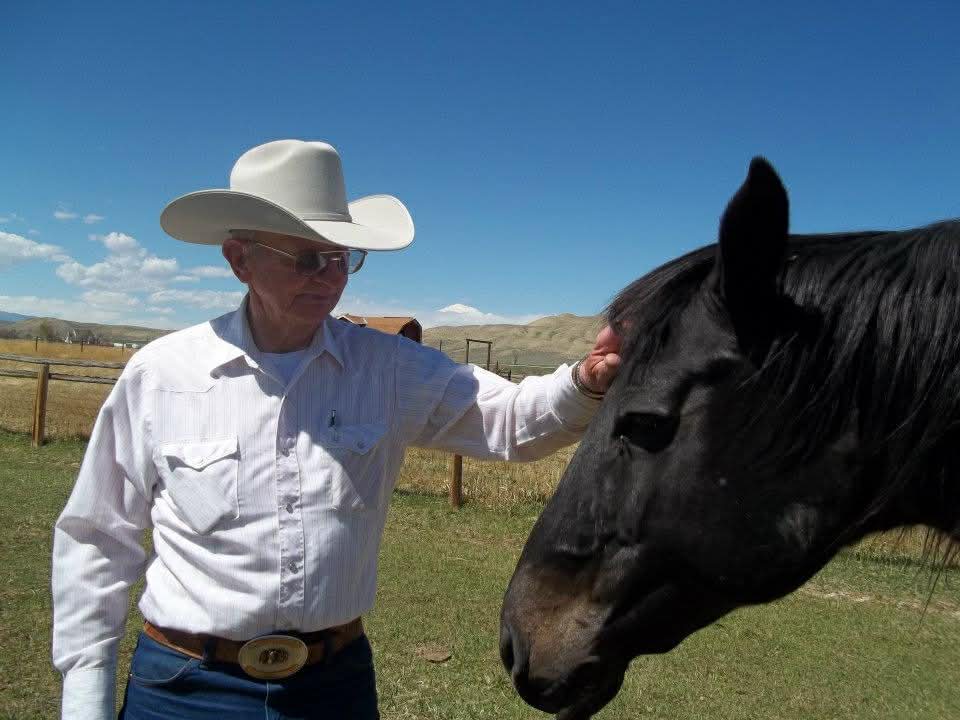
“The best way to see what God made is from the back of a horse,” said famous western artist, Charles Marion Russell. Jack Corbett spent his lifetime in the saddle, and, like Russell, turned what he saw into works of art depicting the lifestyle he lived and the Sweetwater area in Wyoming he called home. Many of Jack’s paintings have been gathered for a year-long display at the Pioneer Museum in Lander, thanks to the efforts of his grandson, Jess.
Randy Wise, museum director, explained that for the past nine years the museum has featured a major art exhibit each year.
“We have a lot of artists around here, and have also done traveling exhibits, including a traveling Remington and J.K. Rallston. We’ve done a couple of Native American art shows, including Al Hubbard and an exhibit of Ledger Art.”
While the Jack Corbett exhibit is not new as far as art exhibits go, it is unique, Wise said, in that Corbett was a rancher and self-taught painter who depicted ordinary ranch life.
“Jess knew we did art exhibits,” Wise said. “When he approached us about a year ago we were very interested.”
Besides Jack’s obvious talent, Wise was excited to display the work of a local artist.
“Sweetwater is part of our area, and most of this work has never been seen by the public before, so we felt it was a pretty cool thing to expose an artist to a bigger audience,” Wise said.
With many of the paintings showing area ranchers at work, Wise said that many of the 200 people who came to the gallery’s opening had personal connections to the artwork.
“A lot of families came down, and many people told me, ‘That’s my grandfather,’ or ‘That’s my uncle,'” he said.
Lander’s connections to its ranching heritage were overlooked in the 1960s and 70s, Wise said, due to mining interests in the area.
“Lander in the 60s and 70s was more of a mining town. We had a uranium mine and an iron ore mine going full blast at the time. Ranchers were still here, and had been for generations, but they kind of got lost in the narrative as the town pivoted to more of an intense mining culture.”
As most of Jack’s paintings were done in the 60s and 70s, Wise felt it was valuable to share his work as a reminder that, while many in the area “don’t think about ranchers when they think of the 60s, they were still here and still doing what they were doing,” he said.
“This is a neat thing for us. Part of our mission is to talk about our area’s history. Jack and the Sweetwater ranchers are a big part of that.”
While they have cowboy and Native American themed displays at the museum, Wise said they don’t have anything specific to ranching, and Jack’s paintings are a welcome addition.
“It’s a nice change of pace for us to go that direction,” he said. “Ninety-five percent of these paintings are of life on the ranch.”
For Jess Corbett, the display celebrates his grandfather’s talent, deep family roots in ranching, and a lifestyle where traditional cowboying is still alive and well.
“On my dad’s side, grandpa’s side, his grandmother’s dad, Gardiner Mills, came from back east in 1883. On the Corbett side, they came down the Oregon Trail with the Mormons in the 1840s, ended up in Utah, then branched out and came up here about 1900.
“It feels like we’re pretty well rooted,” Corbett said.
For the most part, his family has been involved in agriculture in one way or another, something continued by Jess and his brothers and cousins.
To Jess’s knowledge, his grandfather was the first artist in his family. Jack, born in 1938, showed an interest in art and an aptitude for drawing even as a child.
“I have a little snippet of paper with a picture on it he drew when he was a little bitty kid,” Corbett said.
Jack was born in Lander, in the central part of Wyoming. His folks were on a small ranch just out of town. By the time he was a teenager, Jack was working for friends on the Sweetwater and would often go and ride and help them.
“He married my grandmother, Jean, in 1964 in Hudson, a little town between Lander and Riverton.” The couple eventually bought a ranch on the Sweetwater, and the Corbett family is still on this place.
Jack and Jean had two children, Troy and Stacie.
Jack was 55 when Jess was born. Jess grew up on the Sweetwater, on a ranch near his grandparents’ place. Whether branding, shipping or going on roundup, it was always fun for Jess and his siblings and cousins to tag along with Jack and Jean.
“He was really somebody you wanted to be around quite a bit,” Jess recalled. “He had a charisma about him, but was at the same time very humble. He didn’t look for attention. He was very hard working, a good hand and a good grandpa. He was very caring to all of us grandkids.”
When Jess approached the Pioneer Museum in Lander about an exhibit, they were enthusiastic about the idea.
“I’m pretty proud to see this and think it’s pretty amazing to see a lot of pieces of my Grandpa’s work,” Corbett said. “There are some I’ve never seen, and some we knew about but thought were lost that turned up.”
“It seemed like the late 50s through the 60s and into the early 70s was when there seemed to be the most art made, but about the mid 70s he started to slow down on artwork. Probably by the 80s he was pretty well done.”
Jack’s paintings were mostly done as gifts to neighbors or family.
“He sold a few but did a lot for friends as gifts,” Corbett said. “Some he kept and some the family still has.”
The paintings are scattered all over the country. Jess has a friend in Oregon, a descendant of a family on the Sweetwater, who has a painting Jack did for his parents.
“They went all kinds of different directions,” Corbett said. “I believe there’s one back east in Boson, and one in Oklahoma or Texas. They went different places with families when families left or moved, and then their kids and grandkids ended up with them.”
Jess got 40 or so of Jack’s paintings gathered up to display at the museum.
“They are all different sizes,” he said. “Some are as big as a stove; some are smaller, maybe book size. There are definitely more out there but they are so far away that with shipping costs and for damage reasons, we decided we won’t be able to get them.”
Corbett said it’s hard to pick a favorite among the paintings. He loves how they portray real places, real people, western traditions and a way of life that his generation continues to live.
“He depicted what actually goes on in our part of the country and on our ranges, and some include people who were actually there ranching at the time,” he said. “We have always been really neighbor oriented in our neck of the woods. We’re one of the last groups of people to run a roundup camp. We keep our horses out overnight and gather our cattle together.”
Neighbors take turns helping each other and trading work to get yearly tasks accomplished. In the spring, you will find them roping and dragging calves to a wood fire built in a pit dug in the ground to heat the branding irons.
“We take turns branding each ranch’s calves, day by dand and week by week in the spring,” Corbett said. “We all summer together on the same ranges in common. The neighbors have always worked together; that’s how it was before I was born. All of our ancestors worked together, helped each other out, got each other’s work done and helped the other guy at the same time.”
Corbett considers himself lucky to be a part of Sweetwater community.
“We try to be pretty traditional,” he said. “Some guys outside of this area are getting pretty modern, using four wheelers, drones and everything. We feel like we’re on an island sometimes. But a lot of the traditional ways just make sense. Everything was done for a reason, alright.”
Jess has dabbled in art, but tends toward leatherwork and music. His dad also did quite a few oil paintings for a time.
Jess was a senior in high school when Jack died in 2020.
“We wish we had a little more time with him, but we feel pretty fortunate and are happy to have had the time we did,” he said.
It was the fall of the year when Jack passed away, and the family was getting ready to ship calves. They had gathered the cattle to a meadow pasture about the house on Long Creek.
“Every evening he would go out there horseback to bed them down for the night,” Jess recalled. “One night he never came back and his horse came back without him. We went up and found him, and it looked like he had just gotten off his horse and gone to sleep.”
While Jack’s passing was unexpected and sudden, it was what he would have wanted, Jess said.
Jack died with his boots on, and doing what he loved most.
“He wanted to portray the people he loved and the land he loved,” Jess said. “Even now that he is gone he has given us something to remember him by.”
Jack admired C.M. Russell, and drew inspiration from his artwork. Like Russell, Jack Corbett
“…could paint the light
On horse hide shinin’
Great passing herds
Of the buffalo
And a cow camp cold
On a rainy mornin’
And the twistin’ wrist
Of the Houlihan throw.” – Ian Tyson
And, like Russell, Corbett lived the life he portrayed in his artwork.
“He and my dad both liked how Charley Russell’s paintings were done, but wanted to have their own style,” Jess said.
While some people have come and gone, and Angus cattle have replaced the Herefords of 50 years ago, the people on the Sweetwater still live a similar lifestyle.
“A lot of our way of living is still the way it has always worked and has always been,” Jess said. “Nobody would think it’s unique, but in a way it is for how long it’s been going on in the same fashion.”