Over the Sea: Jamie Spring and Monster qualify for sheep dog World Trials in Scotland
-
Sid and Jamie. Mindy Bower | courtesy photo
645733124_4398102950512714_4743648210758688193_n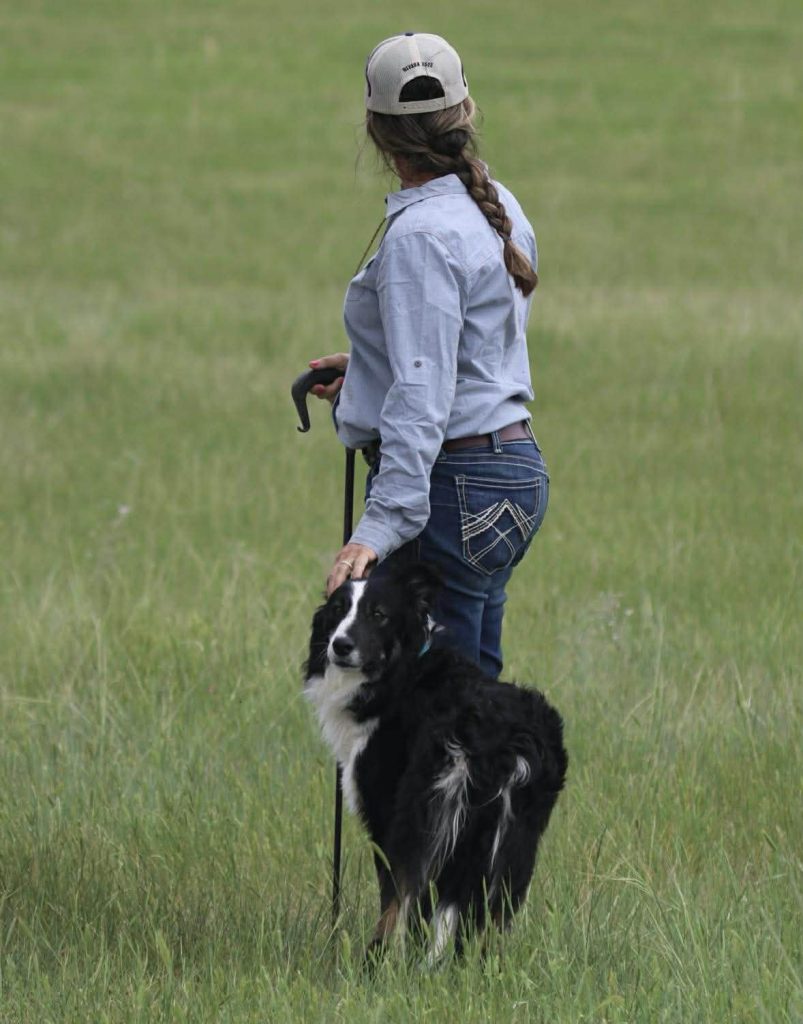
-
Sid. Mindy Bower | courtesy photo
649610783_977119541658942_8806408706863006756_n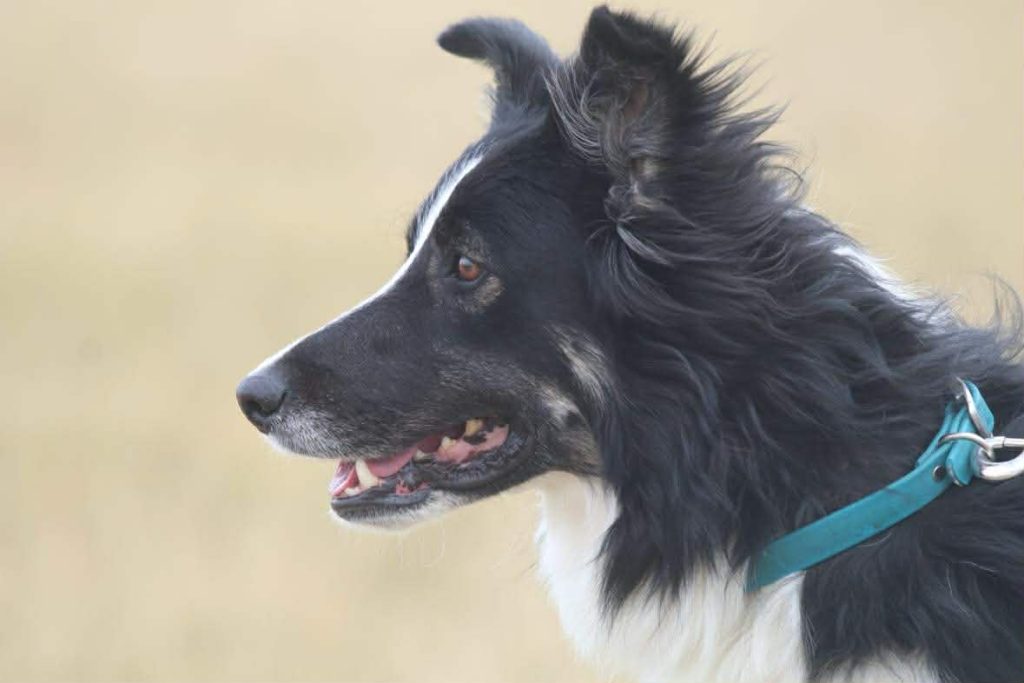
-
Sid and Jamie. Mindy Bower | courtesy photo
648777688_1509982657414656_2856646261038800668_n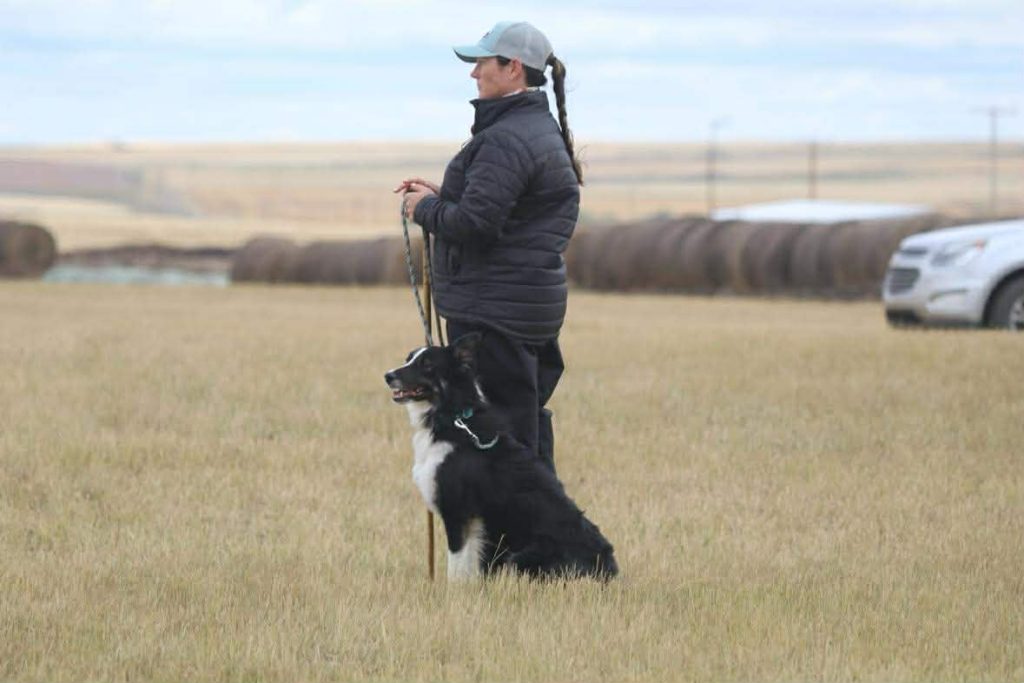
-
-
Sid at work. Mindy Bower | courtesy photo
647374421_1218992100431364_3681340755522402987_n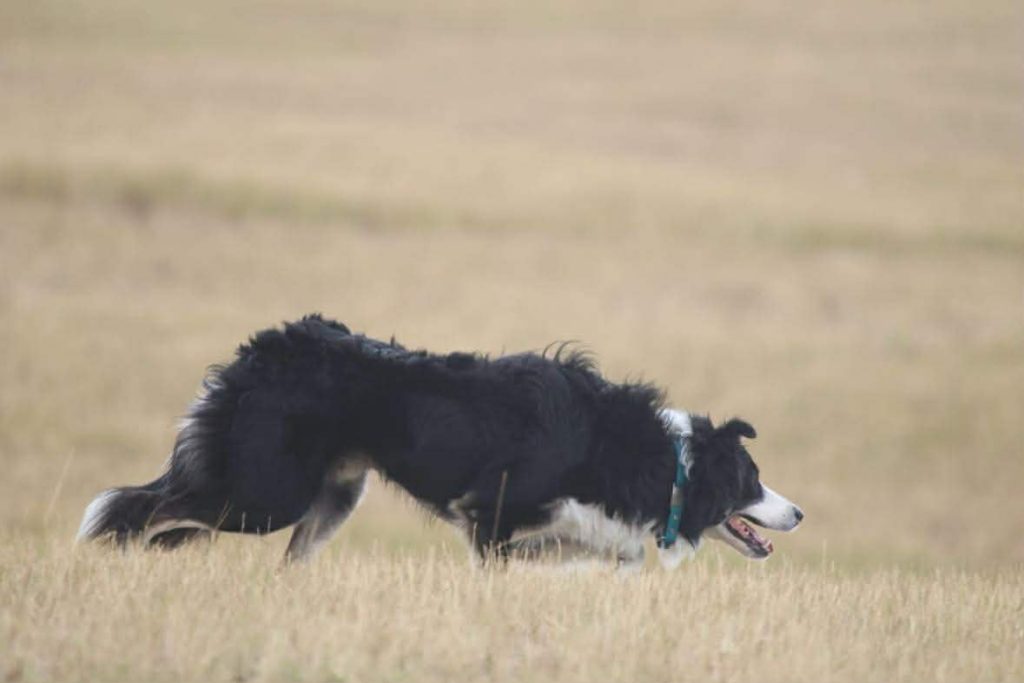
-
Monster. Michelle Cox | courtesy photo
648229076_1445845240424469_6280343776774263417_n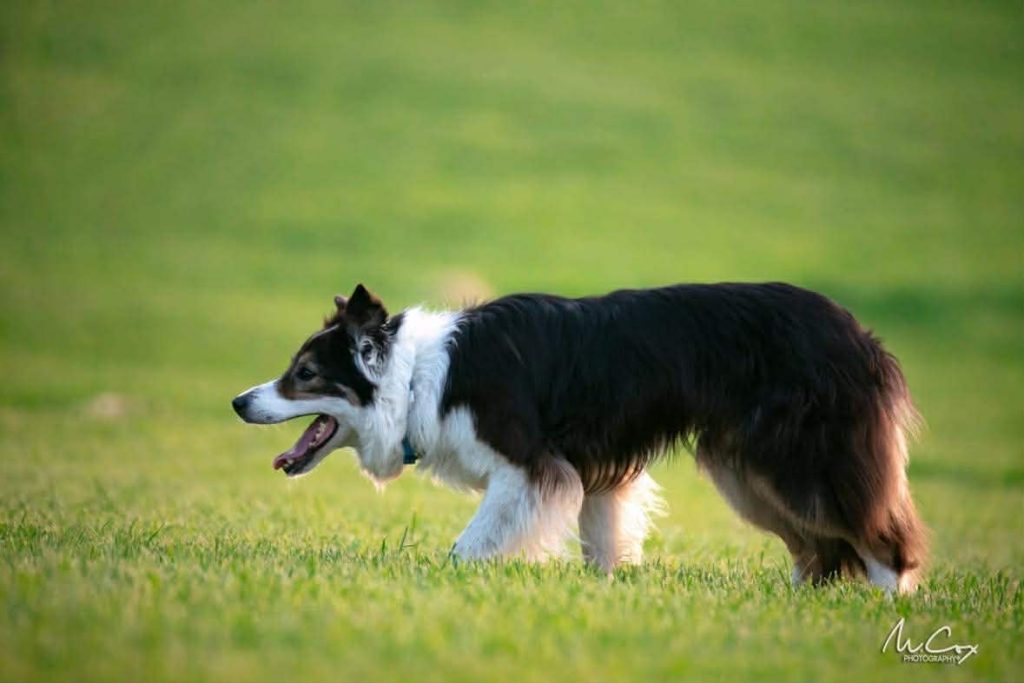
-
Monster. Michelle Cox | courtesy photo
645806243_904095435570152_5933465376297299575_n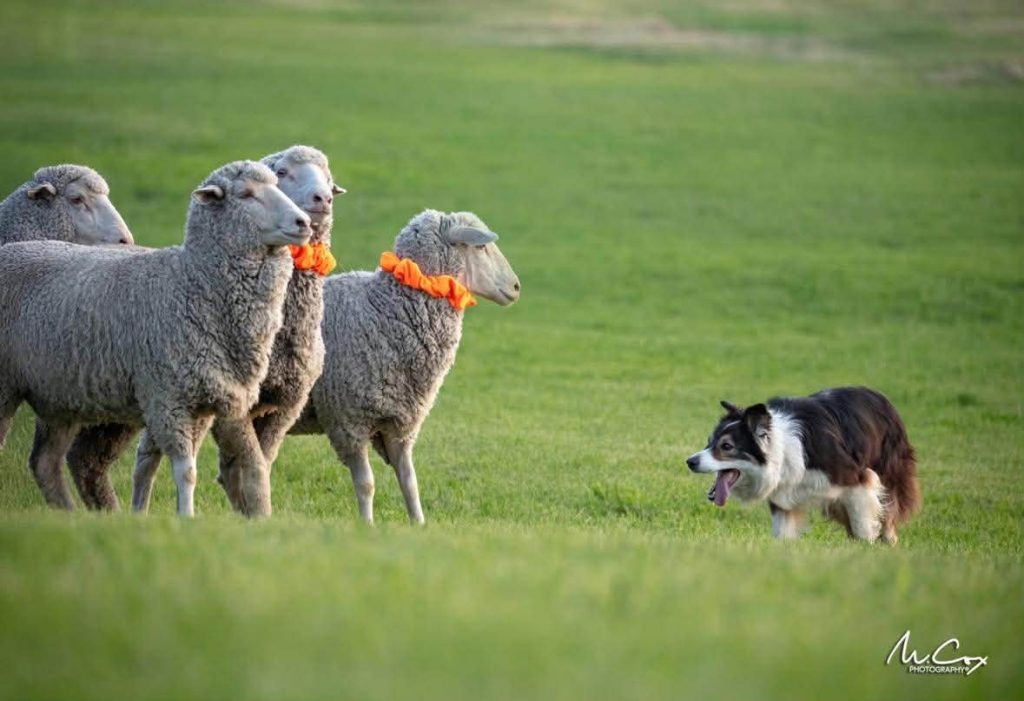
-
Monster with his Meeker championship ribbon. Jenny Glen | courtesy photo
648226481_1295587289094297_5205275749831827314_n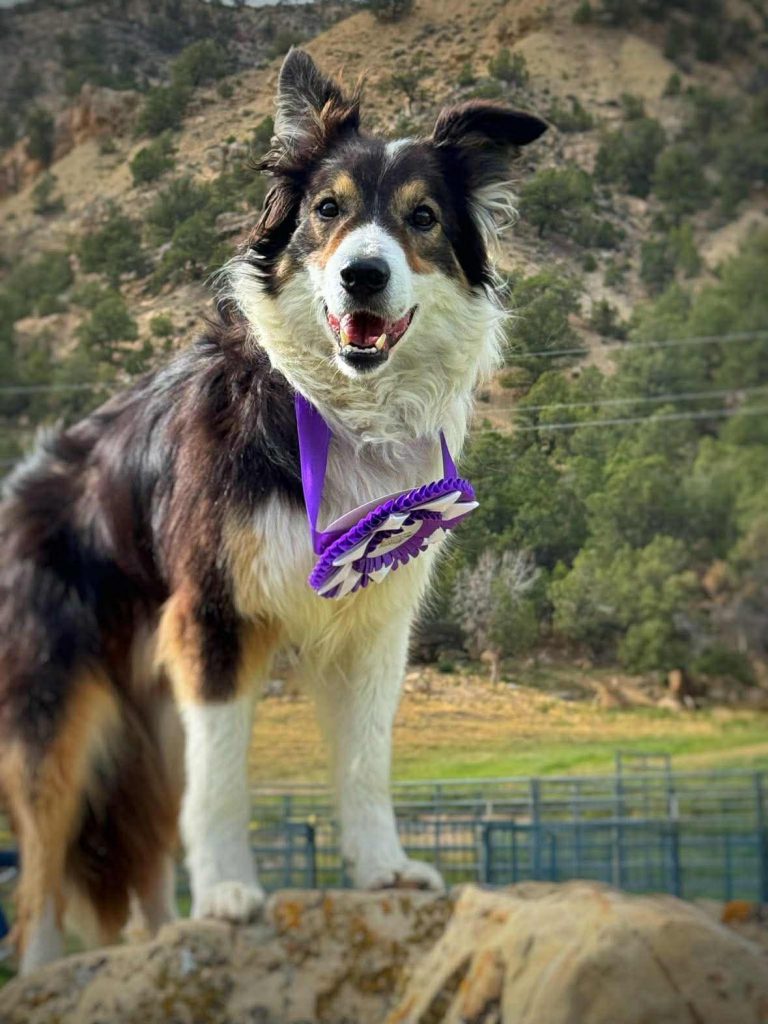
-
Monster and Sid with Jamie Spring. The trio will travel to Scotland for the 2026 International Sheep Dog Society World Trials. Jenny Glen | courtesy photo
645871342_1641248663967862_3227562512035744331_n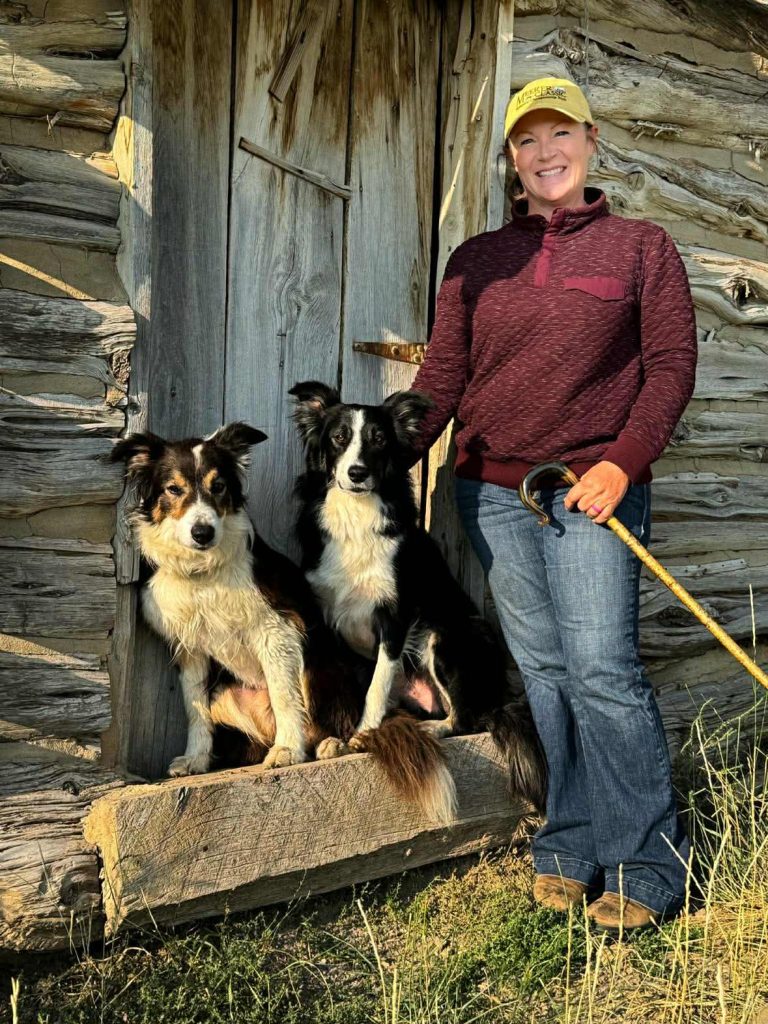
Jamie Spring and her Border Collie, Monster, along with ten other Senior handlers and two Junior competitors, qualified for the International Sheep Dog Society (ISDS) World Trials to be held this September in Scotland.
Spring, a rancher from Union Center, South Dakota, saw her first dog trial during the “Trailing of the Sheep” in southern Idaho about 20 years ago.
“I was instantly fascinated by the partnership between the handler and the dog,” she recalled. “I reached out to a handler I respected and got on his puppy list. It all started from there.”
Spring’s journey in competitive trialing got more serious after she started using her dogs at home on the ranch. She grew up with horses, and said there is a lot of similarity in the partnership between horse and rider and stock dog and handler.
“I knew I could not do those jobs without them, or if I could, it would be miserable. I joke that they made me lazy: I stood there and blew a whistle and my dogs did all the work,” she said.
Her Border Collies are biddable and really want to please.
“The Border Collie is the only dog capable of doing what I do now,” she said. “When I knew what my dogs were capable of at home, I wanted to see how they would stand up competitively. Of course, what happens on the ranch does not always translate on the trial field, but it is really special when you and dog really accomplish something and can translate that into a trial. That’s really something.”
Spring built friendships with other handlers as she gained experience, and believes this camaraderie has played a valuable role in her growth as a handler.
“When you’re a novice, you don’t know what you don’t know,” she said. “The more you learn, the more you learn that there’s even more to learn, and the more you strive for fine tuning things.”
The World Trial is organized by the ISDS and happens every third year.
“The ISDS is based in the U.K., and is the hallmark organization for working Border Collies, especially sheep dogs,” Spring said. “The breed originated in Scotland, so it is kind of the pinnacle over there, and they host the World Trial.”
Teams from 34 countries are invited to attend, and each country is allotted a certain number of team members. The U.S. will send 11 senior team members, and two junior team members who are 21 or under.
The U.S. team was selected based on performance at either the 2024 or 2025 national finals, Spring said. In 2024, the U.S. finals were held on the east coast, and in 2025 the finals were on the west coast, so selecting World team members from both allows people from all across the country to be able to compete.
“The top five from 2024 and top six from 2025 qualify, but there were a couple that qualified both years so then they move down the list,” she explained. “Some of the top handlers ravel no matter where the finals are, but other people compete more regionally. The sheep are different too. On the east cost, the sheep are lighter; on the west coast, they are more of a range ewe similar to what we have here.”
U.S. Finals also rotate to a central location every third year.
“We try to cover the country,” Spring said.
The sheep in Scotland will bring a new challenge to Spring, Monster, and Sid, who gets to go along as an alternate. They are already starting the required process for the appropriate health paperwork so Monster and Sid can travel overseas.
“I’m going to go over about three weeks before the trial to get my dogs adjusted,” Spring said. “I have a friend in England who offered to host me and my dogs. I judged the national finals with him, and he has come over and judged the annual trial we host.”
Spring visited the U.K. once about eight years ago, when she traveled with friends to England and Wales.
“I got to see a sheep trial in Wales,” she said. “It will be really magical to get to Scotland.”
Spring and Monster will face the challenge of competing against high caliber handlers as well as the challenge of handling a different type of sheep. They will also have to get acclimated after travelling halfway around the globe.
“The handlers are the best in the world, and the sheep are going to be so different from what we’re used to,” she said.
Spring qualified for the World Finals with Monster, a seven year old Border Collie.
“I did not name him, but his name really fits him,” she said. “He is the coolest dog, he’s really just larger than life, both when you meet him and on sheep as well. He has so much personality. The more difficult the sheep are, the more he shines.”
Spring is Monster’s second owner. He previously finished fourth at the national cattle dog finals and is very well rounded.
“He works cattle and sheep, but I don’t work him on cattle much anymore. He’s pretty valuable on sheep,” she said.
Spring and Monster won the Meeker trial in 2025, something she said she “never in a million years imagined happening.
“Meeker, Colorado, is one of the most prestigious trials in the U.S. It is known across the world how difficult the sheep are.”
Monster stepped up his game and “handled the sheep really well,” Spring said. “Winning Meeker was beyond my wildest dreams, and it set us up going into the national finals two weeks later. I had newfound confidence that came from that, along with a lot of pressure to continue to do well.”
Monster and Spring placed 10th at the national finals.
“Monster and I got in a sweet spot and our partnership came together,” she said. “He’s not easy to run because he’s a lot of dog, but this fall it clicked. He just decided he was going to get on my page.”
From the preliminary rounds into the semifinals and down the stretch to the finals, Spring actually had to change her technique because Monster was so in tune to her.
“Running him had to change because he was listening so well. I realized ‘I can be really quiet and blow the whistle softly’ – it was like a dream how well he was with me.”
Monster is the dog Spring plans to run in the World Final.
“I’m a little nervous because he is so much dog and has so much presence that sometimes he scares the sheep. Sheep over there are really flighty so we’ll see how it goes. He is capable of listening and doing what I ask.”
Qualifiers are allowed to take an alternate dog, just in case something happens and a dog becomes lame or sick.
“Once you go all the way over there, it makes sense to have a backup,” Spring said. “I can run two dogs at the local trials before the World Finals. That will give me an opportunity to get my nerves under control.”
Spring’s alternate is Sid, a five year old Border Collie she bred.
“Sid is my other Open dog,” she said. People don’t notice Sid because he’s in Monster’s shadow, but he is a nice dog as well. He has a soft spot with me and my girls joke that he gets more attention than anybody else.”
Spring has also served as a judge for the National Sheepdog finals, the National Cattle Dog finals, and numerous other trials across the U.S. and into Canada. She and other team members are raising funds to prepare for the expenses related to international travel for the World Finals. Anyone wishing to share in their support can reach out to her at: monstertoscotland@gmail.com.