Through the Fire: Wyoming and Montana Ranch Families search for livestock, begin Relief Efforts for Remington Fire, House Draw Fire
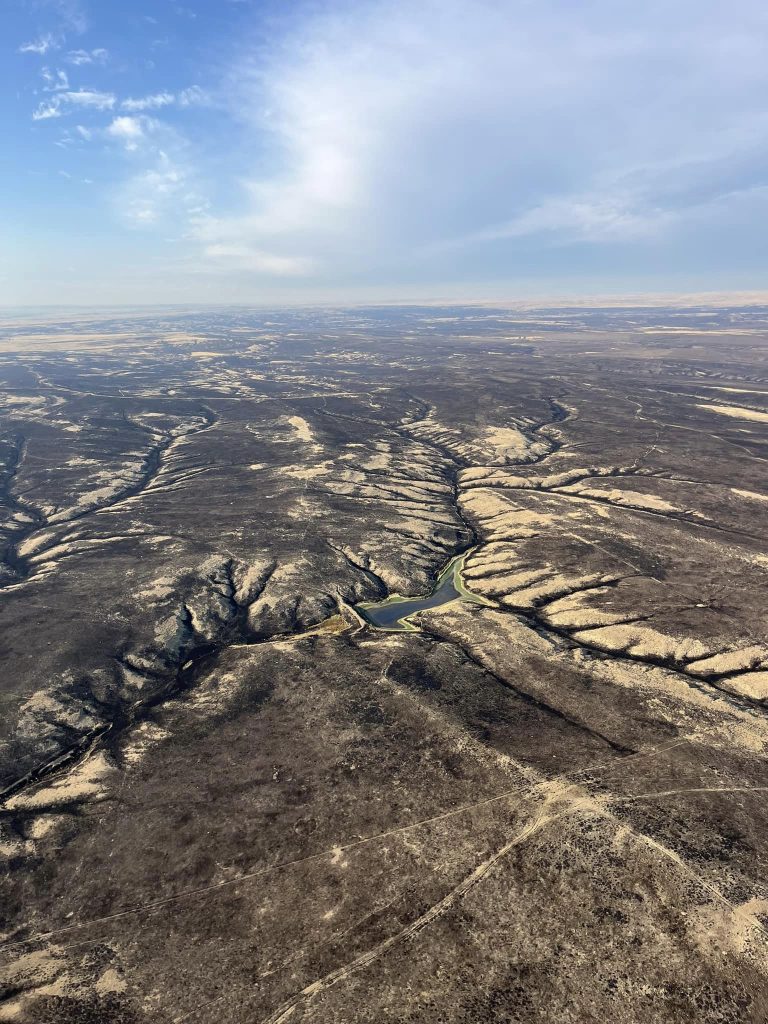
A cow named Faith walked out of charred remains of pasture behind the Remington Fire, but over half of Jim and Cindy Goodwin’s cattle herd perished. 196,238 acres burned and livestock perished in the raging inferno that raced across forty-plus miles between the Powder and Tongue rivers in northeastern Wyoming and southeastern Montana August 21-25, 2024. The Remington Fire is one of several that burned hundreds of thousands of acres last week in Wyoming and Montana, decimating pastures and hay supplies, killing livestock and wildlife, and endangering homes and families. Now ranchers are assessing damages, burying dead cattle by the hundreds, doctoring injured livestock, and finding ways to help each other rebuild.
Goodwin Ranch
“We’re hanging in there…” Cindy Goodwin said.
As of August 29, they had lost or had to put down around 130 head of cattle.
“Something you thought you’d never live through has happened. Your livelihood is gone. It’s very heartbreaking. The devastation is unbearable…”
Family, friends and neighbors are coming together to help and support each other in the aftermath of the Remington Fire.
“Everyone is helping out, everyone is trying to keep everyone else going,” she said. “We live in a very wonderful community. It will take a lot of encouragement, and it’s going to take time, but we will get through it.”
Goodwins and their daughter Ashley are thankful that their homes were spared and they are all still alive,
“We had damage but it can be fixed,” Cindy said.
They are finding more cattle every day needing to be put down due to injuries from the fire.
“They tried, those cows tried to get away, but the fire was just too much for them,” Cindy said. “They gave it their heart to get away. It’s just devastating.”
Jim was down on the Wyoming border helping fight the fire when it hit their home place.
“Ashley and I and my grandson Easton, who will be three in November, were at home watching over things,” Cindy said. “It came so fast that we got out of here with the clothes on our backs, our horses and our dogs. We drove away that night not knowing if we were going to have anything when we got back.”
Ashley’s cow, Faith, was born one cold winter night a few years ago.
“She is my number one gal,” Ashley said. “We brought her in to the shop when she was born and ended up having to tube her to get some milk in; mom and I worked on her for several hours. When we left the shop that night, I said, ‘I have faith that you will be with us in the morning.’ Mom and I walked in the next morning and she was up and bawling and looking for more milk.”
The morning after the fire went through, when Cindy and Ashley returned home, it was Ashley’s turn to cry when she saw Faith coming toward her across the blackened ground.
“I was just bawling,” she said. “All she wanted was her goodies and her hugs. She’s a tough cookie and one heck of a good mama.”
Ashley has another cow named Hope who also survived the fire.
“We’re doctoring her right now,” she said. “For our small ranch with under 200 cows, it hurts to lose so many.”
Ashley said their community is rallying together.
“That is what is amazing. We’re all ranchers.”
They have slowly been moving cows and calves home as they find them. In spite of having cows without calves and calves without their mothers, Ashley said it is eerily quiet.
“I know we have a couple of pairs, but I have not seen a calf nurse,” she said. “It is as if when they walked through the home gates, they told their calves, ‘you’re on your own.’ Nobody is bawling; it is as if they are trying to recuperate and recover. It’s so quiet down here it’s unbelievable.”
“The support from our community and people sending donations is a Godsend,” Cindy said. “People have hay coming in, our vet is supplying medication for treating all these burned cattle that have so far survived; we couldn’t do it without all these people. We are very, very thankful for everyone who has called, texted, or stopped by and given us a big hug.”
Clearmont Fire District
Josh McKinley served as the Incident Commander for the first 30 hours on the Remington Fire. The Clearmont, Wyoming Fire District Chief said he’s never seen fire behavior so erratic in 23 years of fire fighting.
“We had it pretty much caught the first night, things had slowed down and I was sitting on a hill watching. I had ordered in a dozer so we could get in closer and cut a line before it got into the cedars, but it got to the trees before the dozer arrived. There was no stopping it at that point.”
Initially, McKinley said he had trouble getting outside resources and had to split up his own resources because of all the other fires burning in the area. The House Draw Fire was threatening the area near the Arvada/Clearmont county line when the Remington fire was reported. He had to make the decision which resources needed to respond to Remington and which ones needed to stay and prep for the dangerously fast moving House Draw Fire.
“The House Draw Fire had claimed about all of our state resources,” he said. This fire was threatening residential areas, so air support was initially tied up trying to suppress that fire.
Eventually more help arrived, consisting of air support and engines from other states including Colorado and New Mexico. Countless local volunteer fire departments and ranchers all participated in the fire fighting effort.
Rough terrain, Red Flag conditions, strong and unpredictable winds, and heavy fuels made fighting the Remington Fire extremely difficult and dangerous.
“The winds were so erratic; it was blowing out of one direction one minute, you’d blink and it would switch,” he said. “For the first two or three days, no matter what we did or put in front of it, the fire did not want to be caught.”
Thankfully, in spite of incredibly dangerous conditions, no human lives were lost, and McKinley said he knew of only one minor injury during the incident.
“This was the first major fire I’ve been on with multiple major fires around us,” McKinley said. “We could see the plumes of smoke from five other fires around us. It was just a spectacular yet devastating sight; at night, the glow of orange was all around. It was neat to see, yet knowing the devastation it was causing was pretty intense.”
Southwest Area Complex Incident Management Team 5 assumed command on August 25, and crews continue mopping up. The fire is considered 66% contained as of Friday morning, August 30.
McKinley said that seeing support coming in for the ranchers and fire departments has been fantastic.
“The sense of community that comes together in an event like this is really humbling. Everyone always pulls together and people try to do what’s best for everyone. It’s so good to see.”
But, he said, it has been a long summer of fires and he is ready for snow.
“I have never been so ready for a fire season to be over,” he said.
Suzie Notti
The Notti family is working on accounting for their cattle and trying to figure out where to find grass and hay for them. Jae and Suzie along with their daughter Sarah and son in law Anthony Delaney run cattle on five different non-contiguous areas spanning about forty miles across Powder River, Rosebud and Big Horn counties.
“Basically all of our private ground burned except for one section, and one forest unit did not get burnt out,” Suzie Notti said. “Other than that every bit of grass is just gone. It’s a tinderbox out there.”
The family has seen plenty of fires, but “nothing to this magnitude,” Notti said. “There were 300 foot flames at the front wall and it was a couple miles wide; it just ran over the land.”
They rode looking for heifers in the southern part of their pasture along the Wyoming border, and she said everything is charred.
“There are not even needles on the ground by the pine trees; all that’s left of the sagebrush is just a little pile of gray ash.”
They have lost some cows, but feel pretty fortunate that the number is relatively small.
“Some of our neighbors had some big losses,” she said. “We’re missing 34 head of yearlings, and we covered the pasture pretty well and didn’t find any dead ones. We’re hoping they might be in with the neighbors, but they might be hard to find.”
They’re doctoring cattle injured by the fire.
“It’s hard to see them burned, they are so sore,” Notti said. “It’s so rough, but we have a wonderful veterinarian and we’ll get them taken care of.”
Jae and Suzie were travelling when the fire hit.
“It is absolutely a miracle our house is here,” Suzie said. “It should have burned up.”
She had asked a girl who works for them to water young trees planted around their house while they were gone, and she happened to water them the afternoon before the fire came through.
“That probably saved us,” she said. “It ran through here so fast and burned within a few feet of our house. It has a shake roof so it sure could have caught fire. God was watching out for us.”
Their shop was destroyed, but a propane tank in the yard did not blow up. An aluminum horse trailer sitting about 30 steps from the house melted.
“It looks like gray pancake batter on the ground,” Suzie said. “I’ve never seen anything like it.”
Suzie feared her saddle horses had perished, but a neighbor happened to go by as the fire was getting close, got out his fence pliers and clipped the fence for them to escape. They did lose several mares and a colt born this spring.
“They were so close to getting out, but they didn’t make it,” she said with a catch in her voice.
The sight of each new bit of destruction is another stab to their hearts.
“We started building fences here 39 years ago, and my husband said that every railroad tie on the ranch has burned off. We have over 100 miles of fence. For me, the hardest part is the animals, and the old cottonwood trees, they don’t come back easily. It’s also hard seeing the old homesteads. There are over a dozen on our ranch, and there wasn’t much left of them, but I always wondered who live there when I saw the remnants of those old log cabins.”
Nottis were worried about their daughter, eight months pregnant, who ended up in a very serious situation along with her husband during the fire.
“One of the older BLM firefighters who has done this all his life said he’s never seen a fire behave like this before,” she said.
Neighbors have been showing up to help, bring meals and water and offering to deliver hay.
“Our neighbors have been outstanding,” Suzie said. “Every day when we come home we find a case of water, a pizza on the counter that someone dropped off. Our refrigerator is full. It’s our neighbors and people we don’t even know; somebody called and said, ‘We want to bring you a load of hay.'”
Now they need to take care of the surviving cattle and start rebuilding fences.
“I know this is Mother Nature’s work, and we’ll have so much grass in a few years. We wanted to get rid of some pine trees. But when it burns it’s pretty serious,” Notti said.
Rachel Adam
Rachel and Travis Adam live near Otter, Montana. The Remington Fire missed their ranch, but seriously devastated many of their neighbors’ pastures and herds, including at least three families who lost 95 to 100% of their pastures to the fire.
“People I consider family were affected,” Rachel said. “My husband and I worked for Jae and Suzie Notti for about nine years, and they gave us our start in cattle. They were ground zero.”
Travis Adam was helping fight the fire Thursday night when it blew up.
“We have never seen a fire travel that fast,” Rachel said. Jae and Suzie’s daughter Sarah had called and said they might need to move cows, but “by the time he got there, it was too late; it was full on fire -mode.”
Alan and Jan Lloyd were Adams’ neighbors for nine years.
“My heart breaks for them,” Rachel said. “They are both in their 80s and are looking at completely rebuilding the infrastructure for their whole ranch.”
Adams said that no homes currently lived in were lost, but Lloyd’s lost a cabin they used as a guest house.
“They gave us the cabin to live in at one point, and it burned down,” Rachel said. “Unfortunately it had priceless pieces of original art, historic brand books, and Alan’s family history [items] in it.”
Adams said Jim and Cindy Goodwin were 100% burned out.
“It took everything. The house is still standing but that is about all they have left.”
Travis and the group of neighbors he was working with couldn’t keep ahead of the fire.
“The number of roads this jumped and just kept rolling was just crazy,” Adams said.
The amount of damage to fences is daunting.
“There’s not a single fence that is ok,” Adams said.
After the fire, “I just couldn’t sit still,” she said. She decided that she could best help by starting relief efforts.
“I just wanted to pick up fence supplies and here I am setting up accounts,” she said.
Adams and another neighbor are lining up a volunteer work weekend September 7-8 to start helping their neighbors rebuild.
“If people want to come out, we will have supplies and we are putting together donations to provide food for volunteers who come up and help.”
“There will be years of building back,” Adams said.
Matthew Stiegelmeier
Matthew Stiegelmeier and his family live near Otter, Montana, and neighbor many ranchers affected by the Remington Fire. Stiegelmeier believes the fire started by a burning coal seam, a phenomenon that is not uncommon in that area.
He was headed for Miles City on Thursday, August 22, but turned around and headed for a neighbor’s to see if help was needed with fighting fire.
“I decided I couldn’t live with myself if I left even though they said they were probably ok at that point,” Stiegelmeier said. As the day progressed, the fire started moving faster and travelling farther.
“It just seemed like we were 10 minutes late all day long,” he said.
They backburned from several lines, thinking more than once that they were going to get it stopped, but it kept getting away, jumping roads and fire lines made with a blade.
“The ground is hard and it’s hard to make a fire line in sagebrush,” Stiegelmeier said. “It really takes a good three passes over it to make a clean line, and it’s still only 12 or 14 feet wide.”
With fierce winds, Stiegelmeier stayed on the fire Thursday night. The wind was strong and became erratic, switching directions and sending the fire roaring on to the north. Stiegelmeier, along with many neighbors, area volunteer fire departments and BLM crews kept building fire lines, trying to get a line beside the fire, or in front of it.
“We had a line with the fire half a mile away, but it blew across the county road going west,” he said. “Communication is tough between all different sectors of firefighting. You have ranchers without radios, and ranchers with radios that can’t talk to the firefighters’ radios.”
Then the wind switched from east-southeast to straight from the south at about 40 miles per hour.
“It was just howling,” Stiegelmeier said.
Things quickly deteriorated, and the group barely made it out to the road. The fire was already burning under his pickup where it was parked so he sat in another pickup on the county road while the fire blew by.
“It got kind of wild,” he said. “They had it clocked going over 40 miles per hour for a while.”
The head liner of the pickup melted from the heat, but it did not catch fire, nor did the road grader with a leaky hydraulic hose also parked right there.
“After the fire was past, I sprayed everything down good,” he said. A little while later, Sarah and Anthony Delaney and Alan Lloyd came by.
“They had a tractor, a dozer and a fire fighting rig, and had got into a pickle when the wind switched too,” he said.
Stiegelmeier said lost livestock is still being tallied.
“A drip-torch is the best firefighting tool invented in my opinion,” he said. “When fires can jump the interstate down at Buffalo (Wyoming), a county road with pretty green grass on each side or a 10 foot grader line doesn’t do much good. When you’re fighting fire in the wind, you do what you can do. It was pretty wild.”
Power was out for a while, due to burned off and fallen poles, but Stiegelmeier said his neighbors’ power was being restored as of August 27. Although he could not comment on the entire burn area, he said one neighborhood alone needed 60 poles replaced.
“This country evolved burning,” Stiegelmeier said. “A fire like this is painful but it is a cleansing at the same time. The BLM is saying now that pine trees and rangeland need to burn every seven to 15 years to be healthy. This was a bad fire but it will clean up trees and sagebrush and create more and better grazing. We would just rather see it on a thousand acres at time rather than 100,000; 10% of a place at a time rather than 90%. It’s an expensive way to burn sagebrush.”
Even as they face the daunting task of rebuilding from their losses, Stiegelmeier is impressed with the resilience of his neighbors.
“Alan said, ‘I started out once, and I guess I can start out again.’ That’s pretty inspiring.”
-
“There was no stopping it,” said the initial Incident Commander, Josh McKinley.
PC | Jennifer Dewey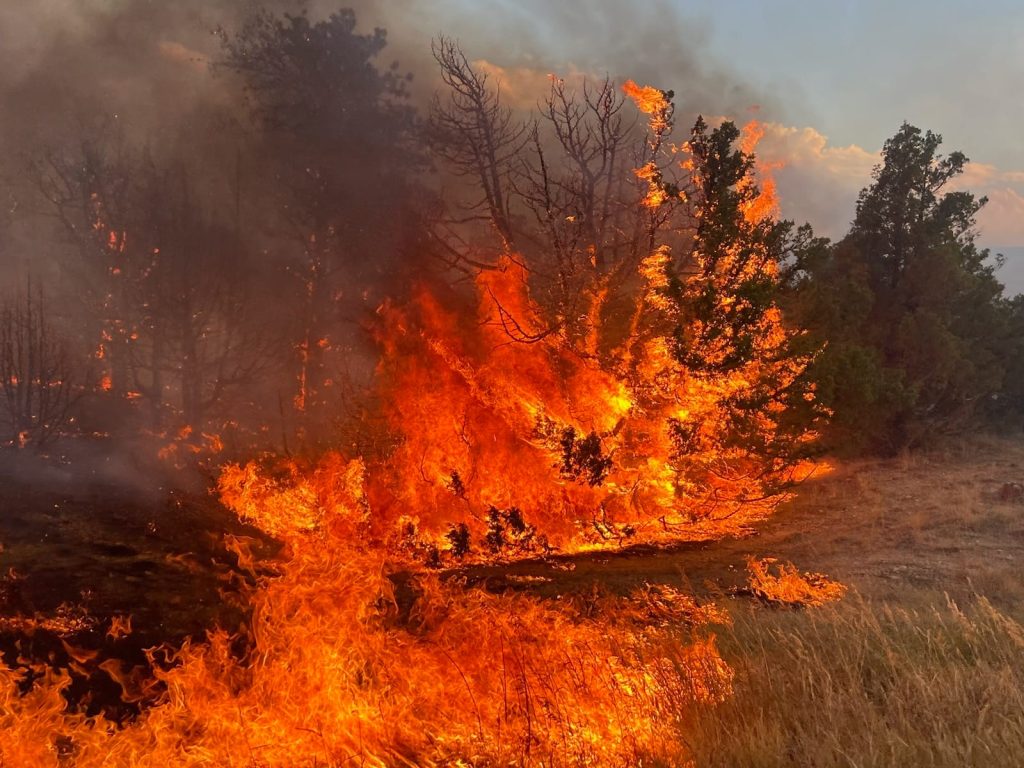
-
Rough terrain, Red Flag conditions, strong and unpredictable winds, and heavy fuels made fighting the Remington Fire extremely difficult and dangerous.
PC | Tongue River Fire District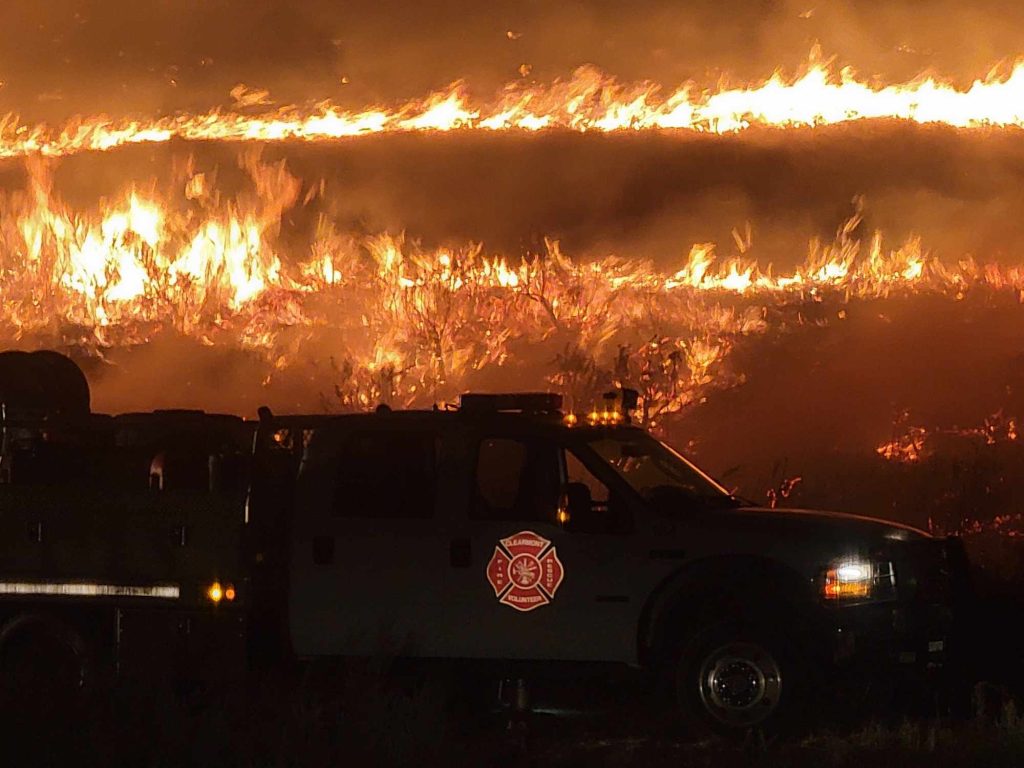
-
A fire whirl, also commonly known as a fire devil, or, as a fire tornado, firenado, fire swirl, or fire twister, is a whirlwind induced by a fire and often (at least partially) composed of flame, ash, or smoke. These start with a whirl of wind, often made visible by smoke, and may occur when intense rising heat and turbulent wind conditions combine to form whirling eddies of air. These eddies can create a tornado-like vortex that sucks in debris and combustible gases.
PC | Michelle Reinke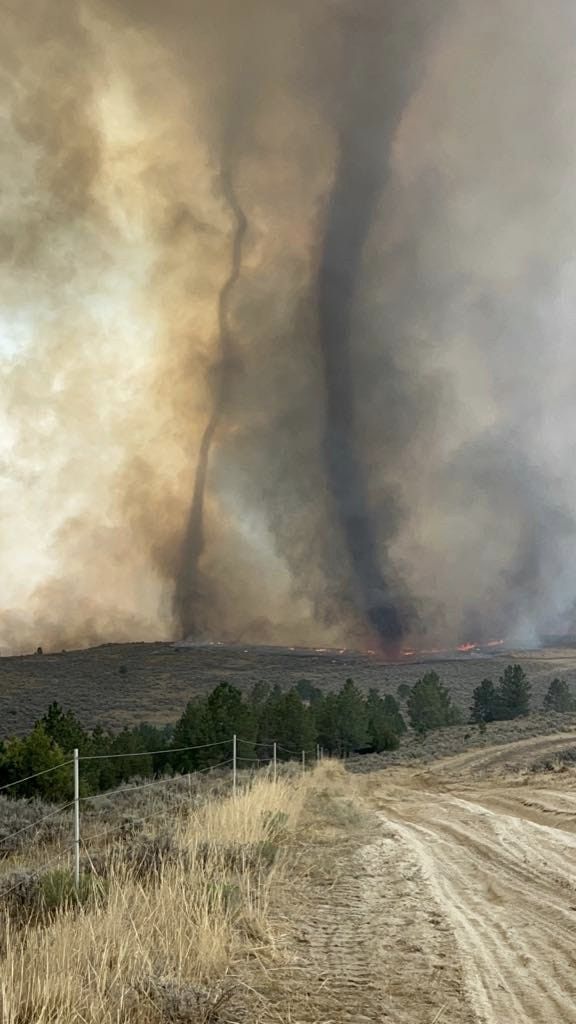
-
-
Fire tornadoes begin to form.
PC | Michelle Reinke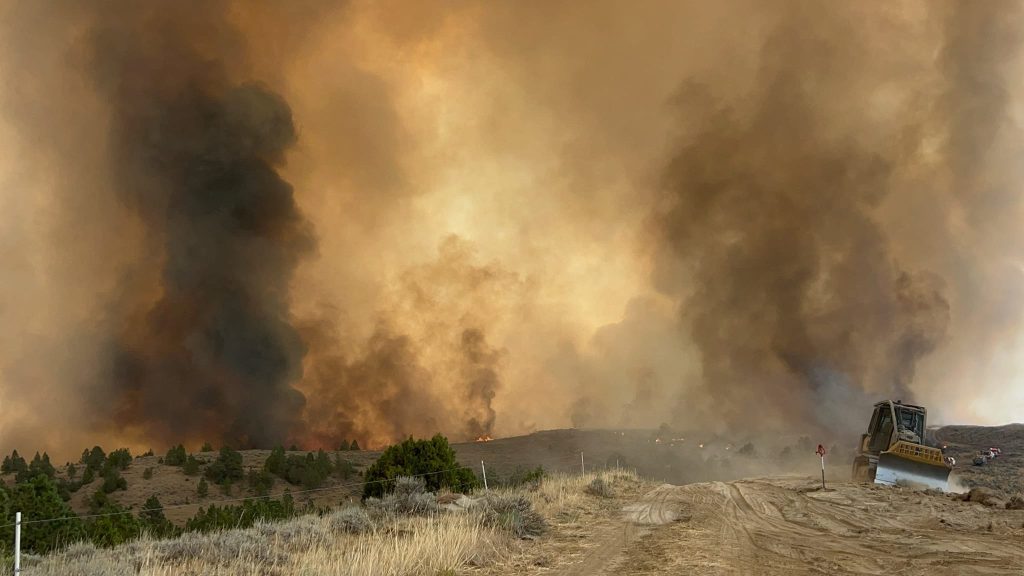
-
Rough terrain, high temperatures, strong, erratic winds and plenty of fuel made the Remington Fire difficult to contain.
PC | Josh McKinley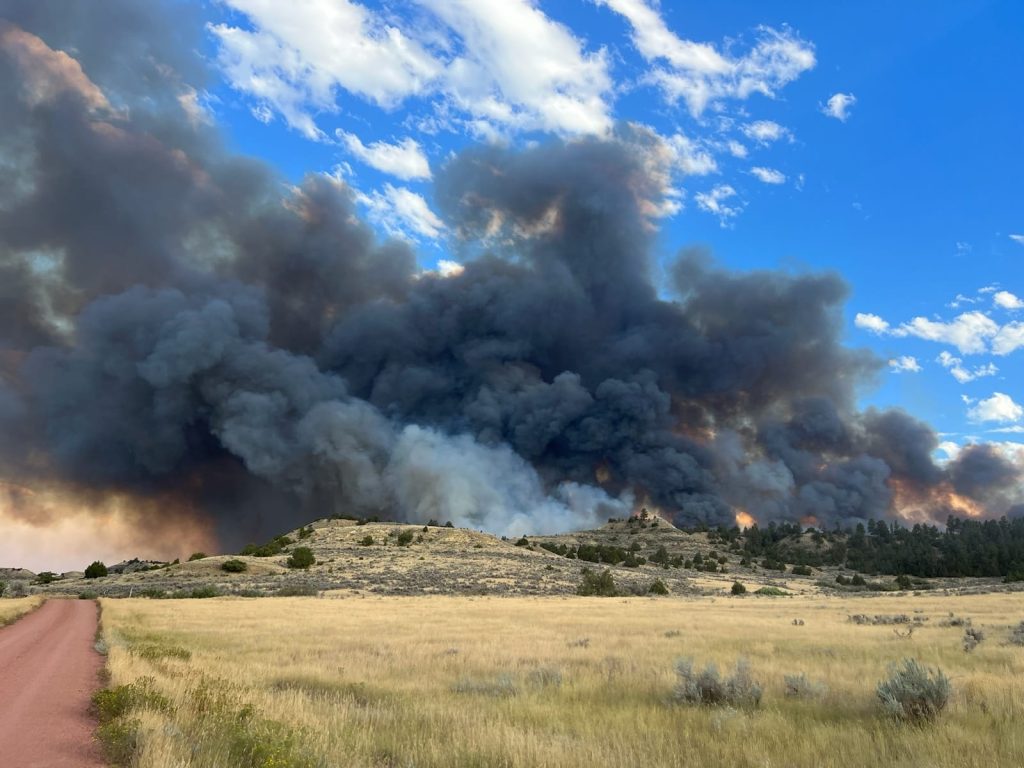
-
The Remington Fire burned a path over 40 miles long and several miles wide.
PC | Josh McKinley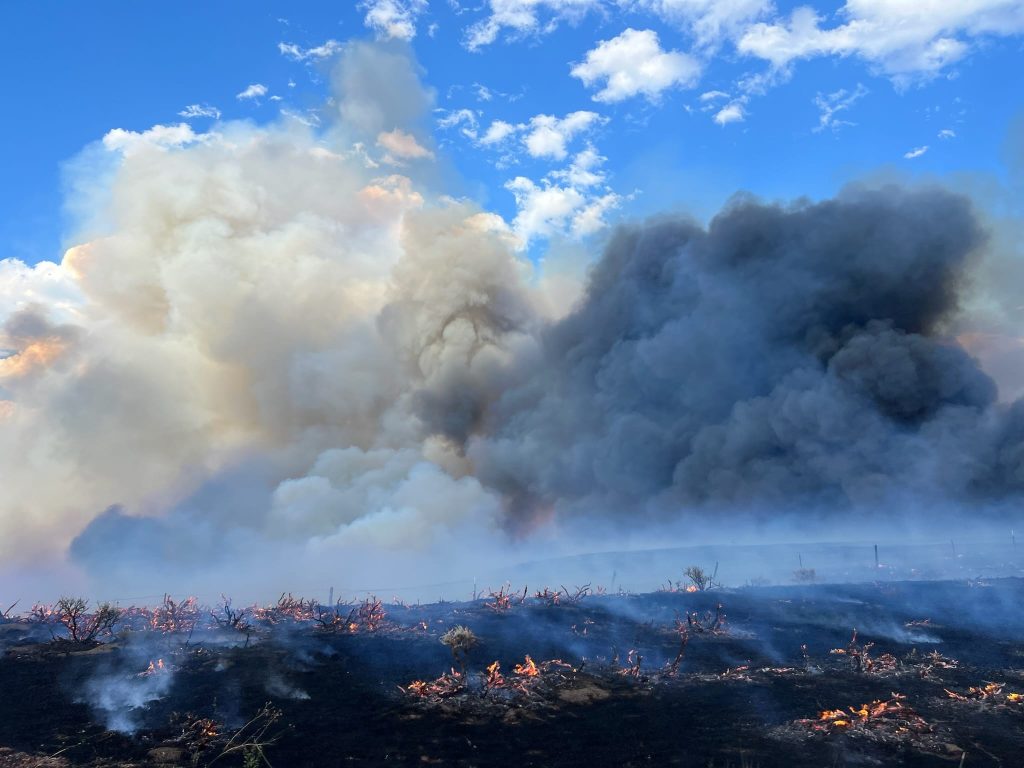
-
An exhausted fire fighter naps near the fire line.
PC | Josh McKinley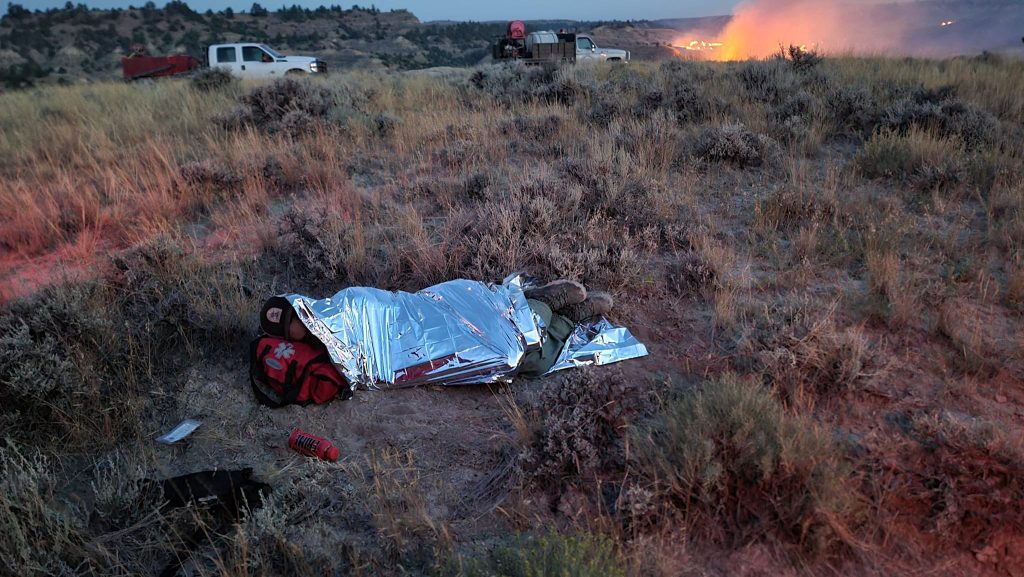
-
Air support drops fire retardant on the Remington Fire.
PC | Josh McKinley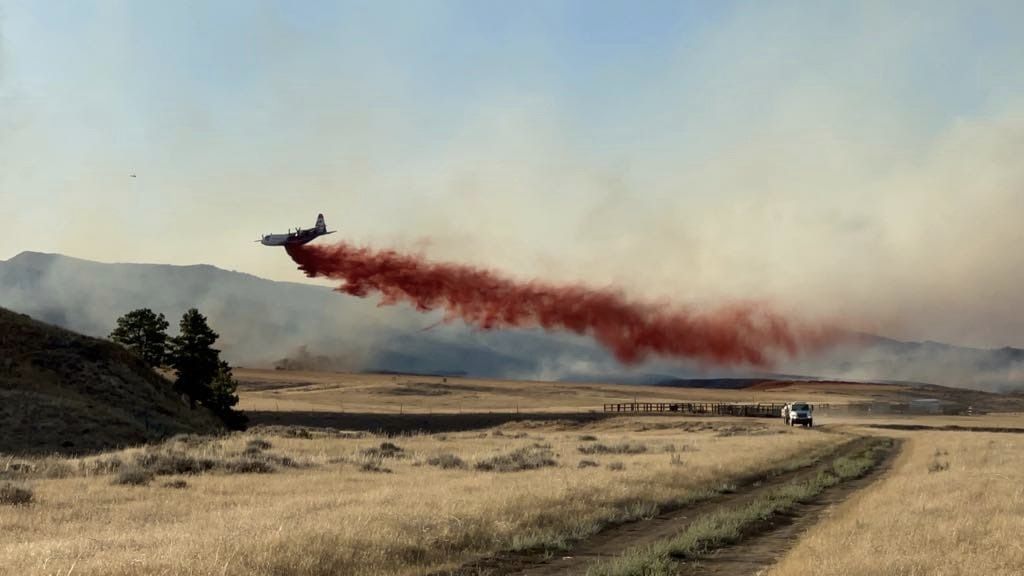
-
A cow named Faith survived the Remington Fire.
PC | Ashley Goodwin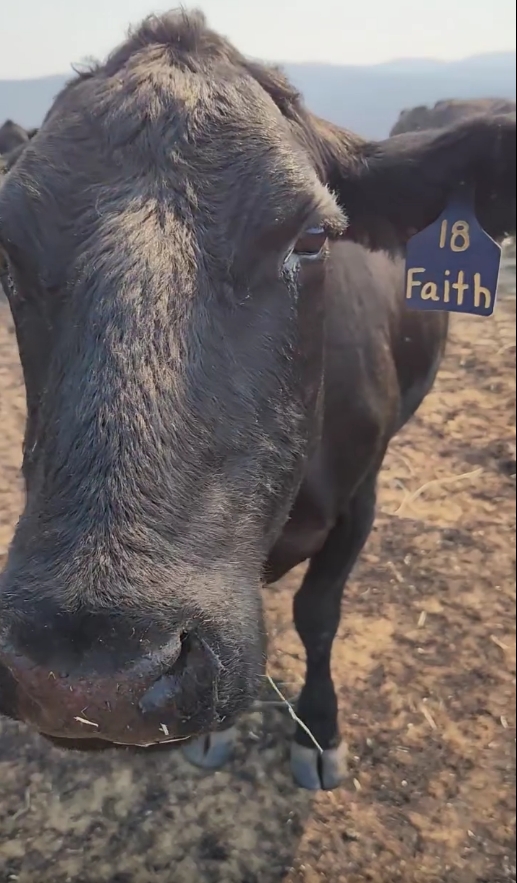
-
“She just wanted her treats and loving,” Ashley Goodwin said.
PC | Ashley Goodwin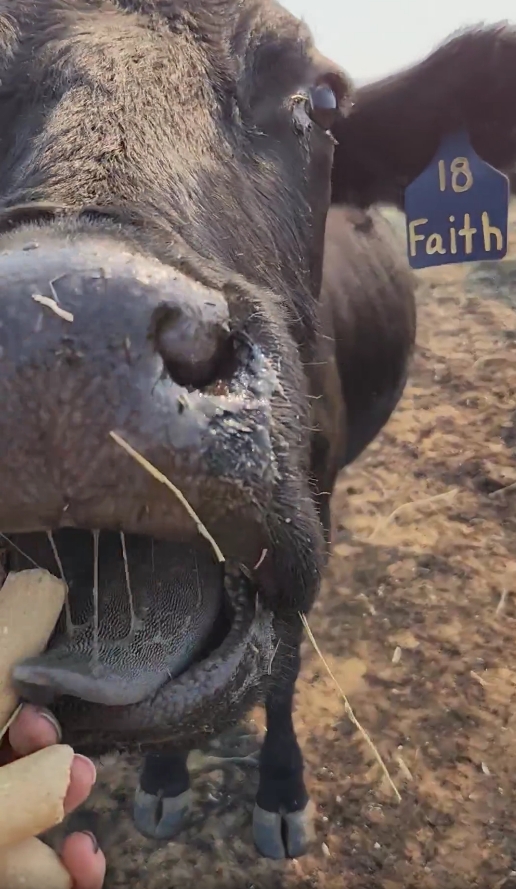
-
Jim and Cindy Goodwin and their family lost over half their cow herd in the Remington Fire. This special cow named Faith survived.
PC | Ashley Goodwin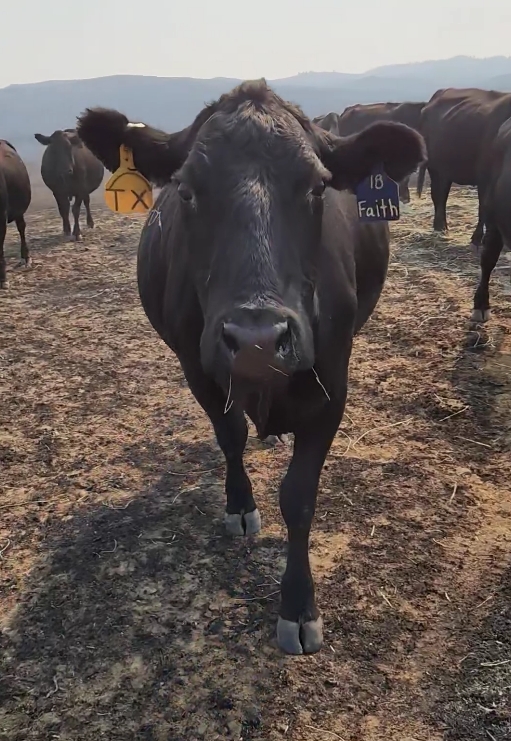
-
Replacing damaged fences will be a priority for ranchers affected by recent fires in Wyoming and Montana.
PC | Rachel Adam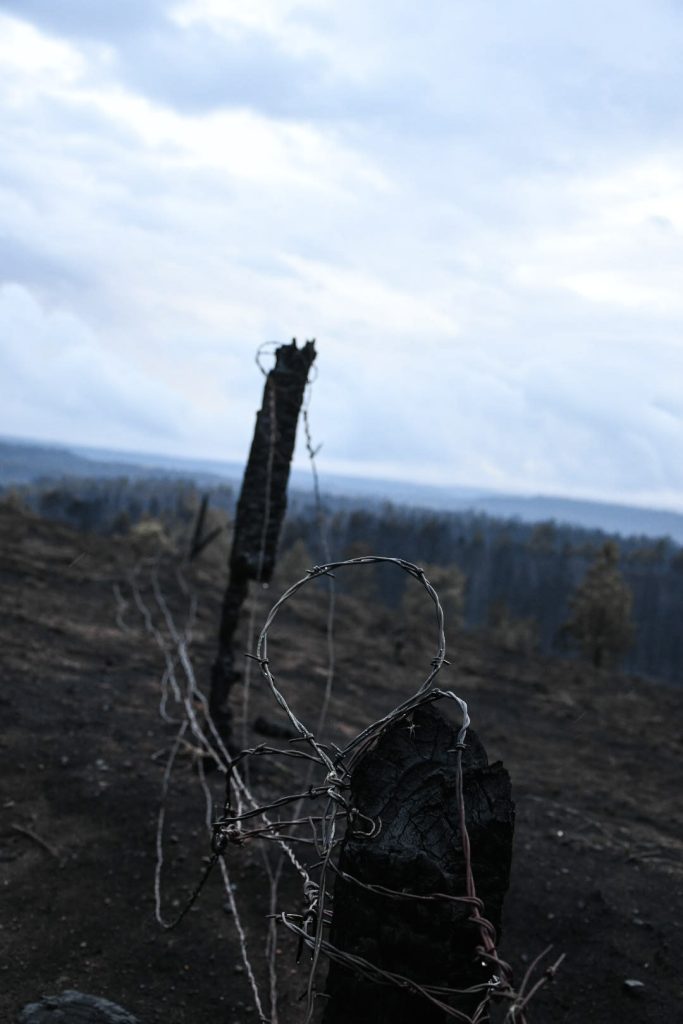
-
Replacing damaged fences will be a priority for ranchers affected by recent fires in Wyoming and Montana.
PC | Rachel Adam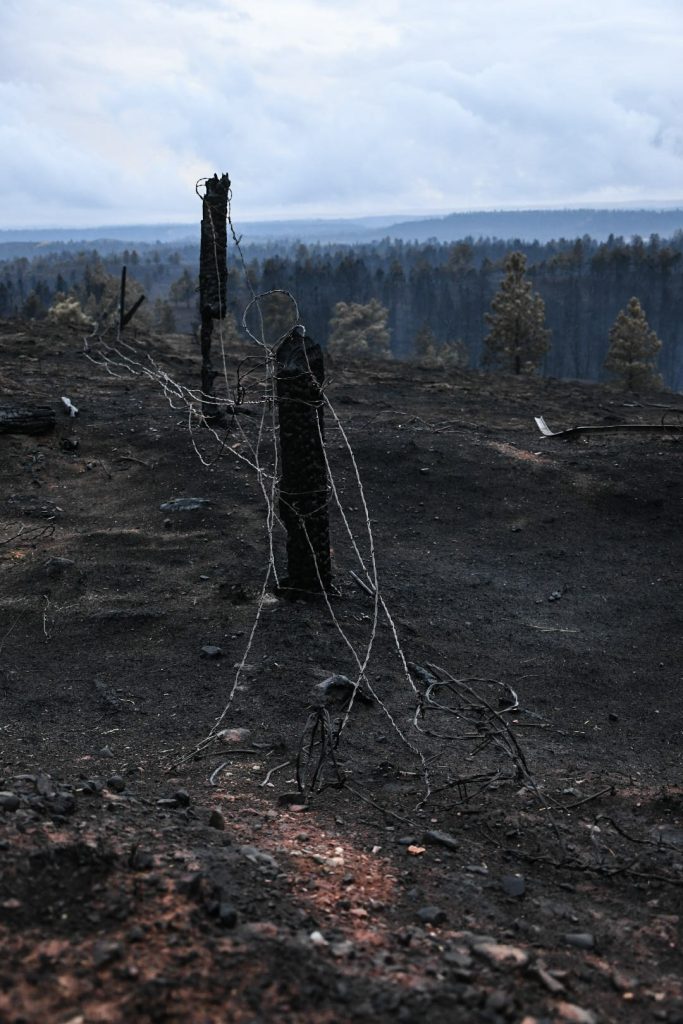
-
Replacing damaged fences will be a priority for ranchers affected by recent fires in Wyoming and Montana.
PC | Rachel Adam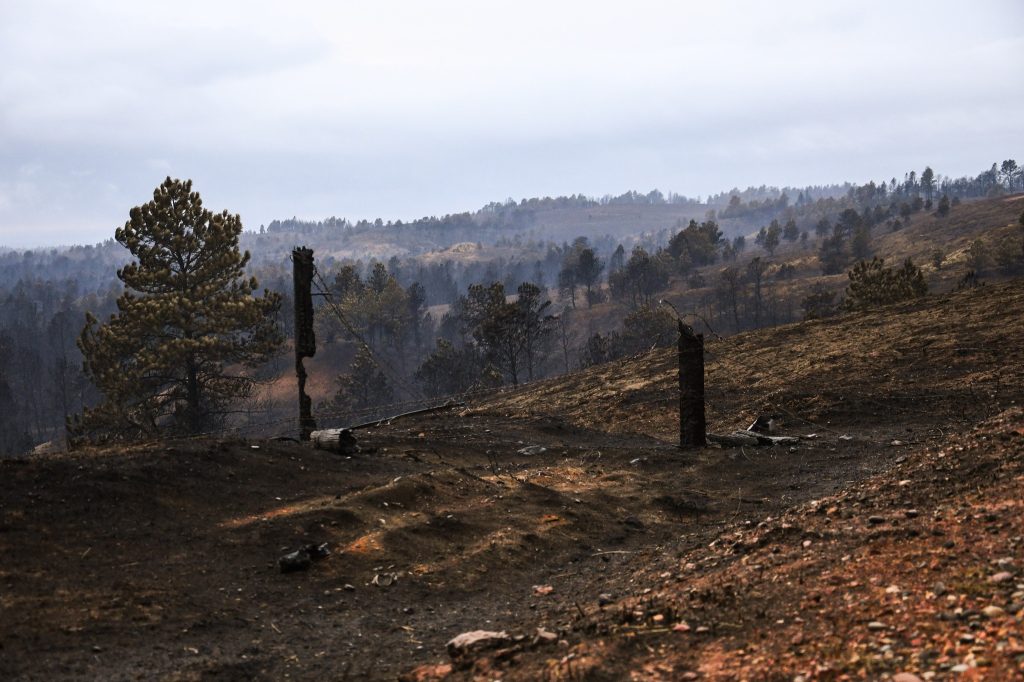
-
Remington Fire plume at sunset.
PC | Travis Adam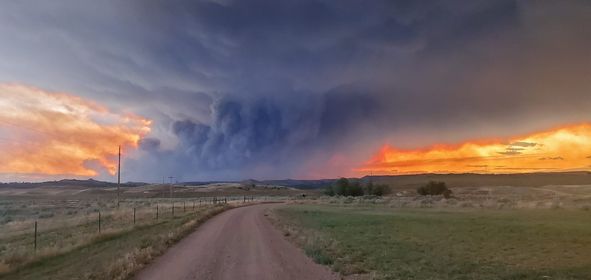
-
The Remington Fire burned nearly 200,000 acres in northeast Wyoming and southeast Montana.
PC | Rachel Adam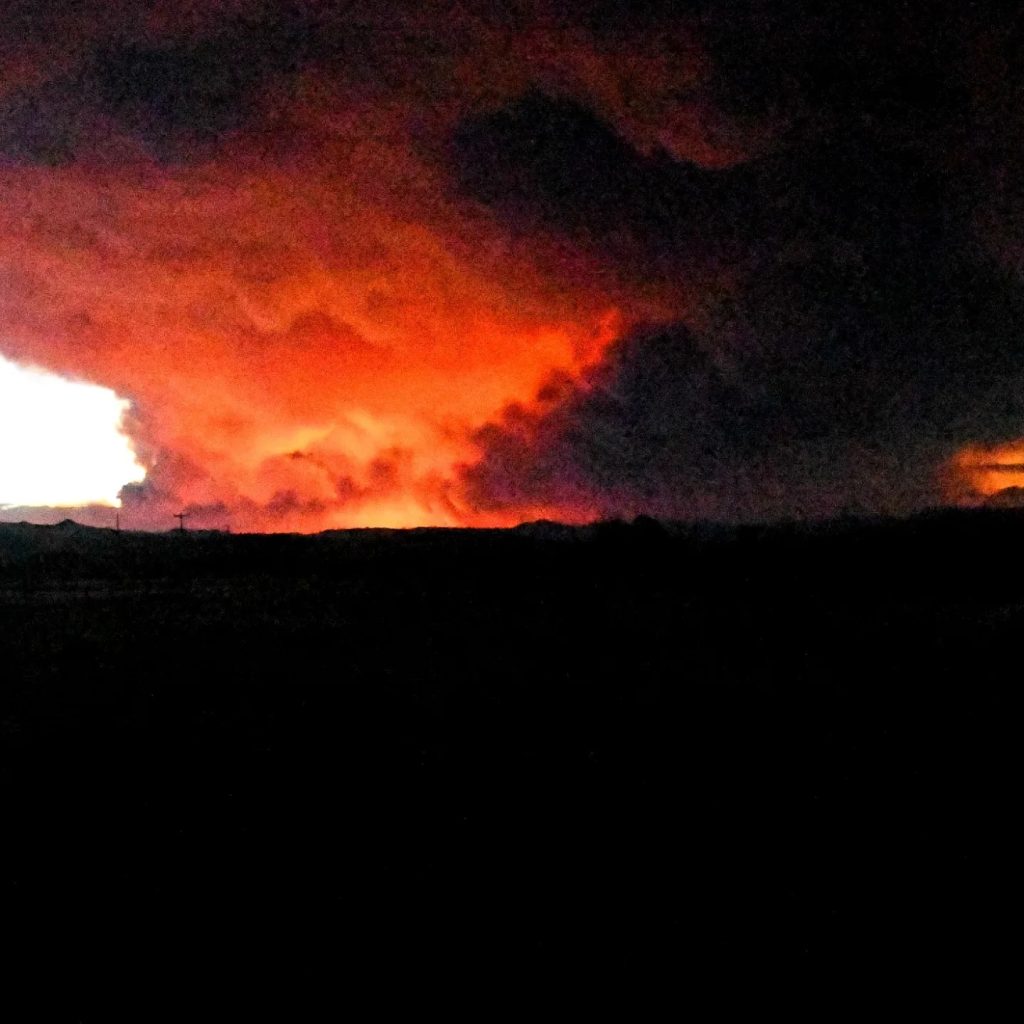
-
An aerial view of the House Draw Fire burn area.
PC |Shay Curuchet