Biting the hand that feeds you: Oregon considers ballot measure to criminalize ranching, hunting, fishing

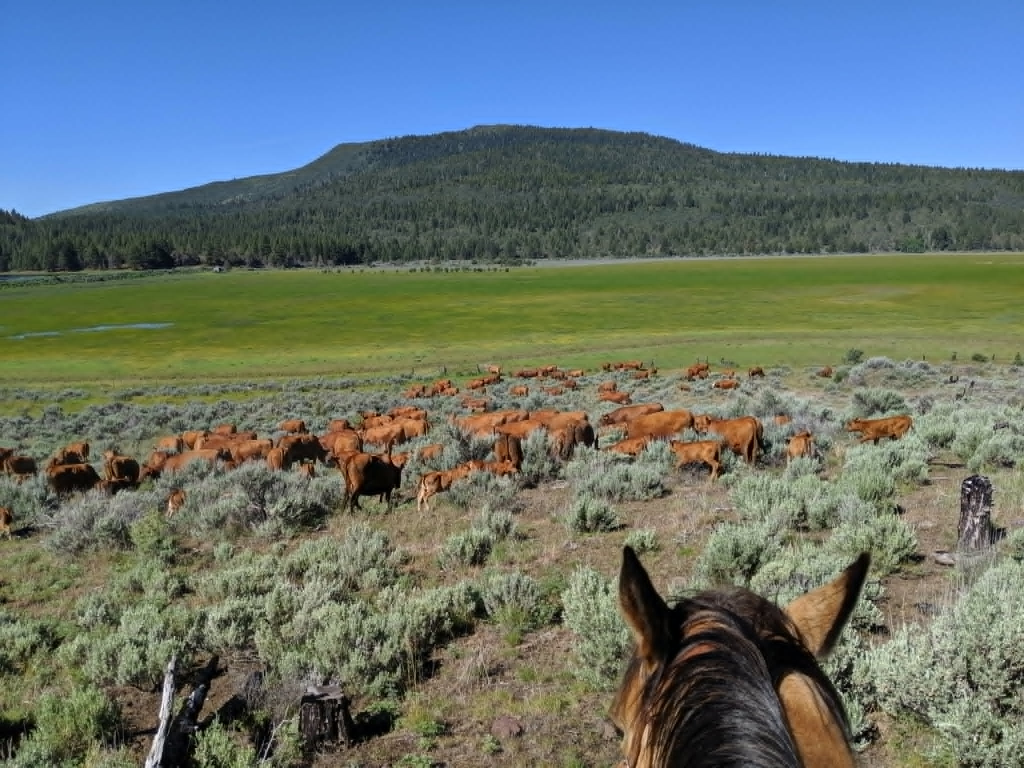
Oregon voters may get the chance to weigh in on a measure criminalize raising livestock for food, hunting animals and performing basic animal husbandry practices.
As Diana Wirth of Oregon Cattlemen’s Association says, Oregon Initiative Petition 28 will, “completely re-classify traditional livestock management as criminal animal abuse.”
Those who are working to gain support for the measure have reportedly gained more than the 117,173 signatures needed to get it on the ballot this November. But the state has until Aug. 2, 2026, to certify the signatures. This comes after two failed attempts to gain enough signatures for this issue to come before Oregon voters.
Notably, Governor Tina Kotek, a democrat, has voiced opposition to the measure.
“Criminalizing activities like hunting and fishing would be wrong for Oregon,” Kotek said. “I know tribal leaders, farmers and ranchers and Oregonians across the state who care deeply about protecting our land. This petition does nothing to help them, and it risks criminalizing common agricultural practices that are critical to Oregon’s economy,” she said in a social media video.
The ballot initiative, if approved, would “Criminalize breeding practices, injuring/killing animals, including for food, hunting, fishing. Creates transition fund for displaced farmers.” A similar effort failed in Colorado in 2021.
In addition to criminalizing the killing of animals for food – effectively banning hunting, fishing and the slaughter of livestock – the move would make basic animal husbandry practices illegal including castration, docking, dehorning, artificially inseminating, semen testing, and more.
The concept of eliminating the production and processing of meat in an entire state will obviously increase the cost of meat by forcing retailers to ship those products further. All meat and meat products would have to be imported into the state, which will increase food costs by requiring more fuel and labor to bring the meat to the consumer. The U.S. is currently dealing with the smallest cattle herd since the 1970s. Eliminating cattle production in Oregon would tighten America’s cattle supplies even further.
End Animal Cruelty is one group financing this effort. DavidMichelson, Isaac Farias, and Antonio Pirozzi created the organization in 2022. PETA is another major financier of the effort.
Wirth, a Klamath Falls area rancher, says the effort would destabilize animal agriculture. While raising livestock wouldn’t be outlawed, killing them for food would be.
The cattle /beef industry is her state’s second-largest ag industry, bringing in $1.2 billion in cash receipts, she said. “This ballot measure could potentially completely decouple that industry. That’s a huge economic loss to our state.
“You won’t be able to raise cattle for slaughter,” said Wirth. “But who is going to police that?”
Wirth said it’s not surprising that Oregon is the target of this movement. “We have a very liberal and open initiative process. The standard for qualifying for the ballot is extremely low and the risks are incredibly high,” she said.
Wirth believes that the 117,173 signatures needed to place the issue on the ballot is too low of a threshold, especially considering “the target is the number two ag commodity in the state.”
She urges others in her state to seek reform to their ballot process. “We must protect our industry,” she said. “It’s time for Oregon to reform its IP process.”
The state requires signatures of six percent of the number of voters in the last election, but there is no requirement on which area(s) of the state are represented by signatures. So it is entirely possible that the urban Portland area might place an issue on the ballot without input from the rest of the state.
Dave Duquette with the property rights organization Western Justice explains that the description of the bill could seem appealing, especially to uninformed voters. “The act is called the PEACE act and the first couple of lines is about animal cruelty, in the description,” he said. “They will see that and if they don’t read into what it actually means and what it is, I’m afraid they will just see that and vote for it.”
His group is working to better expose the anti-agriculture groups for what they really are. Those groups are bringing in foreign money, he says. “From mining to oil to timber to food production, they are attacking our natural resource production industries.”
The petition organizers admitted on their website that they don’t expect this measure to pass this year. However, they are pushing to bring the progressive mentality in order to start the conversation, to eventually gain sufficient support for the issue.
“We know from past experience that even if they don’t get it on the ballot this time, or don’t win this election season, they will be back again,” said Wirth.
Western Justice is working on a campaign from several different directions including on social media and through a texting campaign to education voters. The Oregon Cattlemen’s Association and Oregon Farm Bureau are working together to gain support for a Political Action Committee named Feed Oregon PAC, which will focus on informing voters of the negative impacts of the initiative. Go to https://www.oregonfb.org/donate to contribute.
Yes on IP 28 does indeed plan to continue its efforts to end animal agriculture nationwide. On the website, the group says, “Once successful in Oregon, we hope to bring similar initiatives to every state until the killing of animals is against the law nationwide.”