Horse Roundup 2026 | Fly control starts long before flies arrive
Callie Hanson Follow
IMG_7423
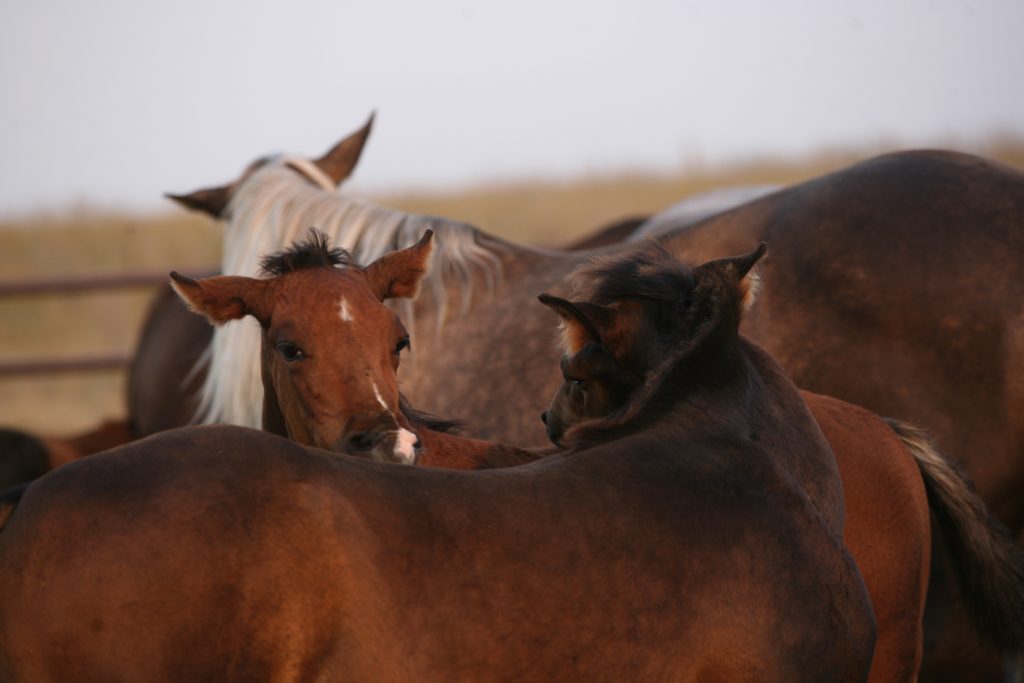
When horse owners begin battling flies each summer, many immediately reach for sprays, supplements and other products promising relief. However, according to Colorado State University professor and Equine Extension Specialist Devan Catalano, the most effective fly-control strategy begins long before insects become a problem.
-
Manure and water management is key to fly prevention.
IMG_1660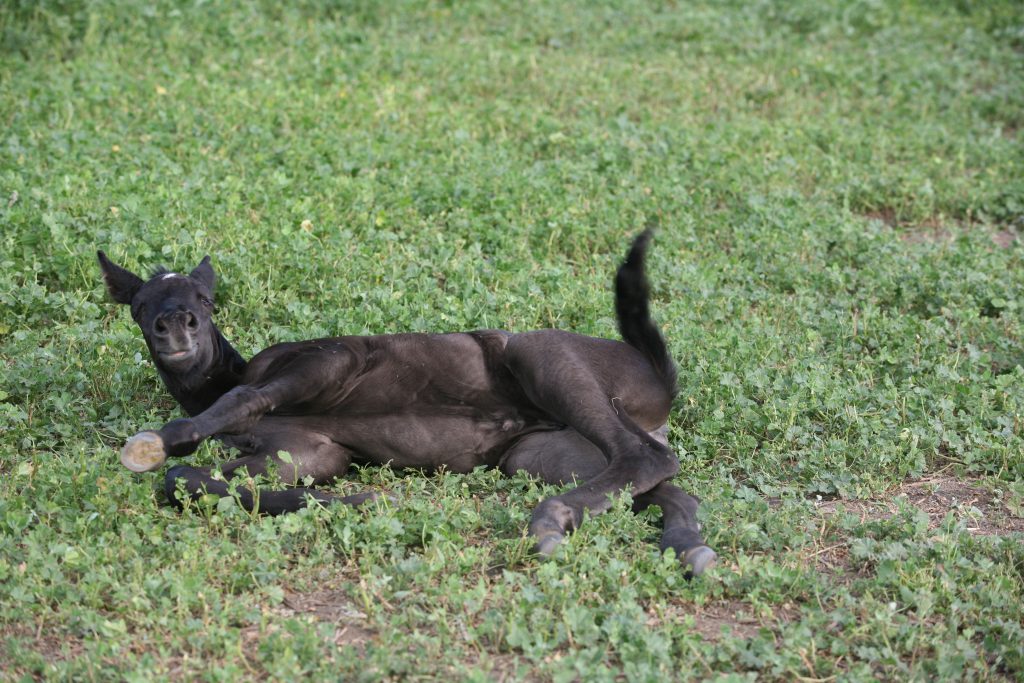
-
Stopping the fly’s life cycle from completing is a horse owner’s biggest defense against pesky flies.
IMG_7423
-
When it comes to fly prevention, you get what you pay for.
Screenshot_2026-07-23_at_11.26.59 AM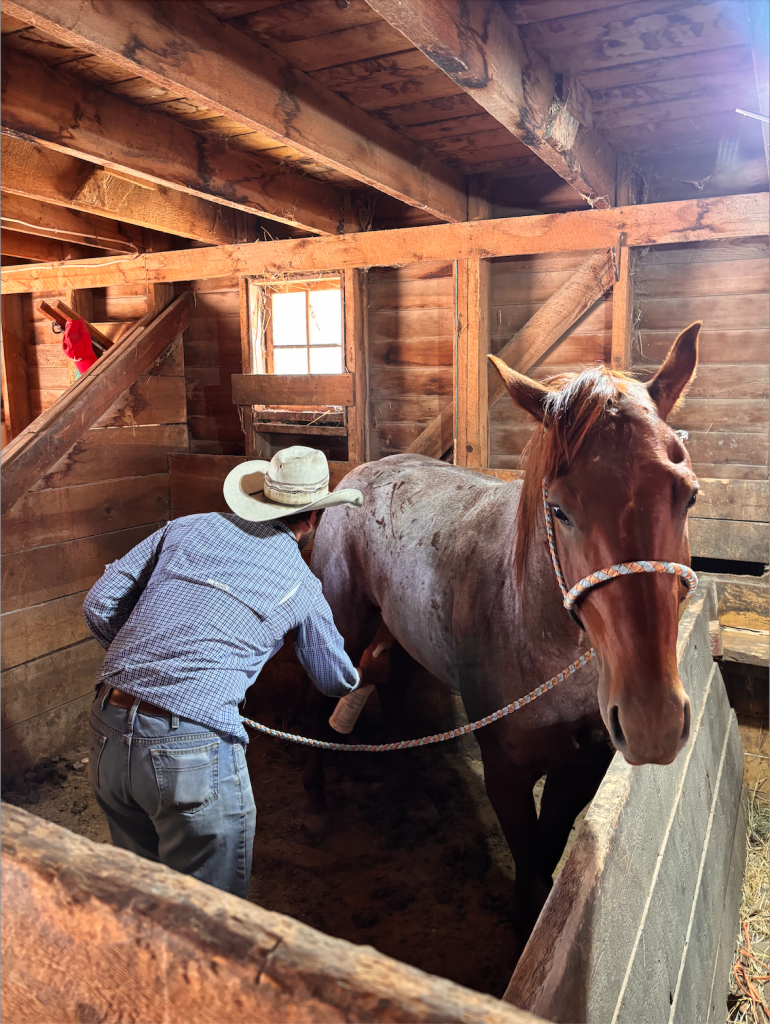
“The number one thing is manure management,” Catalano said. “That is the number one most important thing.”
Catalano noted horse owners often underestimate the role daily management practices play in reducing insect populations. While products can help, preventing flies from developing in the first place is far more effective than trying to eliminate them once they are established.
For horse owners across the high plains, that process starts with cleanliness.
“Storing, cleaning your pens regularly, cleaning your stalls regularly, removing wet spots,” Catalano said. “If you have horses in stalls and use bedding, changing that bedding and pulling out wet bedding daily is critical.”
She recommends cleaning stalls daily whenever possible and removing manure from outdoor pens as frequently as management allows. Manure should also be stored away from barns and areas where horses and people spend most of their time.
“Keeping it separate and doing daily cleaning or as frequently as you can manage is important,” she said.
While manure is a primary breeding area for flies, moisture often determines how quickly insect populations explode.
“Controlling for moisture is the biggest thing,” Catalano said. “The manure and then just noticing where stuff drains.”
Even in relatively dry regions, standing water can create ideal breeding conditions. Catalano encourages horse owners to evaluate their properties carefully, especially during the spring and early summer months.
“If there are dips that routinely collect water when it rains and they take a couple days to dry out, that’s worth filling in with gravel or dirt or something because those low spots are where insects circle and breed,” she said.
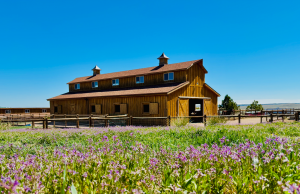
Many breeding sites are small enough to be overlooked. Areas around barns, waterers, driveways and buildings can all become problem spots if water consistently collects there.
“If you have a barn or a building and the edges around it have a little bit of a ditch where the runoff trickles off and over time creates a little catch place, that’s something to fill in during the spring,” Catalano said. “You don’t want roof runoff collecting there and becoming a breeding place.”
Gutters can also contribute to insect pressure when they become clogged and hold water.
Additionally, Cataleno noted water tanks deserve similar attention. Stock tanks can quickly become attractive environments for insects during hot summer weather if they are not cleaned regularly.
“Make sure that you are regularly cleaning water sources, especially if you provide water in stock tanks,” she said. “Keeping water tanks as clean as possible is important.”
The buildup of algae, feed particles and other organic matter provides food sources for insect larvae, helping complete the life cycle of mosquitoes and other pests.
“When mosquitoes and bugs land on the water and lay eggs, if there’s nothing for them to eat they’ll die off,” Catalano explained. “But if there is something for them to eat because horses are dropping feed in or because of algae from not cleaning it, then they have everything they need to further their life cycle.”
Over the years, horse owners have experimented with countless methods for keeping tanks clean and reducing insect populations, including adding fish to stock tanks. Catalano said those approaches often create additional management challenges.
“I would advise against goldfish and other aquatic species to keep a tank clean,” she said. “Good fish husbandry is difficult to combine with good horse husbandry.”
While sanitation forms the foundation of fly control, Catalano said feed-through products can be a useful supplemental tool when incorporated into a larger management plan.
Many commercially available feed-through products contain insect growth regulators, commonly called IGRs. These compounds pass through the horse and work within manure where fly larvae develop.
“What it does is it basically stops the bug,” Catalano said. “When the flies and larvae eat the manure, it has a component that basically makes the exoskeleton not able to form. It stops reproduction because it makes them unable to form their exoskeleton.”
These products target insects during their developmental stages rather than attempting to control adult flies after they emerge. When selecting topical fly-control products, Catalano believes horse owners should focus on quality ingredients rather than bargain pricing.
“I would look for a product that has a combination of active ingredients that are targeted against insects,” she said. “I think that’s more likely to be effective.”
She also noted that many research studies evaluate single active ingredients, while commercial fly sprays often combine multiple ingredients to improve performance. In her experience, investing in higher-quality products typically produces better results.
“I would say you’ll get what you pay for,” Catalano said.
Natural remedies are another topic that frequently generates discussion among horse owners, particularly garlic supplements marketed for fly control. Despite their popularity, Catalano said the scientific evidence simply is not there.
“The idea is that the horse eats the garlic and then the insects don’t want to bite them,” she said. “I don’t think we have any evidence for that.”
More concerning, she noted, is the potential risk associated with excessive garlic consumption.
“You can overfeed garlic and cause anemia,” Catalano said. “I don’t think feeding a small amount for fly control is going to get there, but as a public educator I’m really apprehensive to recommend something like garlic when I don’t know how effective it is and I know it has the potential to harm.”
Ultimately, Catalano believes horse owners should focus their time, energy and resources on prevention rather than reaction.
“If you’re going to spend money, spend money on manure management and trying to prevent flies from existing versus trying to control them,” she said.
That approach becomes even more effective when neighboring operations work together.
“Flies don’t understand property lines,” Catalano said. “Maybe working with your neighbors and collaborating on good manure management can help.”
While there is no single product or practice that completely eliminates flies, Catalano said horse owners who focus on sanitation, moisture control and prevention will have the greatest success.
For many operations, the most effective fly-control program is not found in a bottle. It starts with a wheelbarrow, a shovel and a commitment to keeping facilities clean before insects ever have the opportunity to become a problem.