2026 Fall Homeland | Data centers 101
Sally Scholle Follow
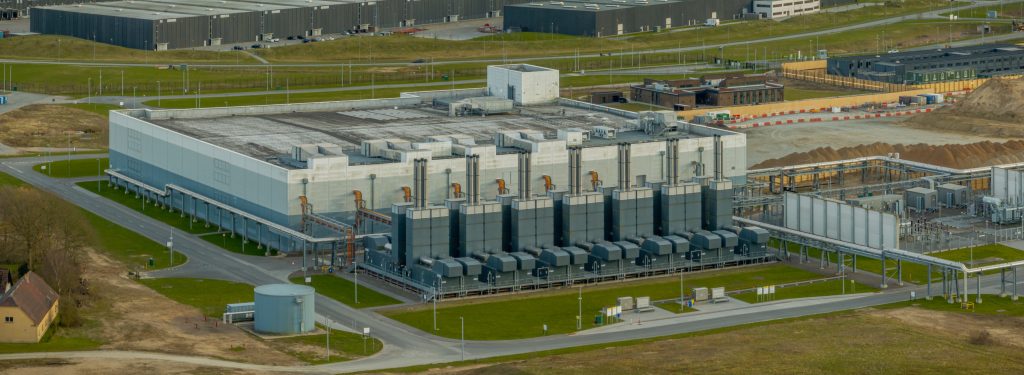
The news about rampant data center development in Virginia has made its way across the country, penetrating areas where people never thought such structures would be introduced. Those who learn about what’s happening in those states often adopt one of two views: It won’t happen where I live, or I want to make sure it doesn’t happen where I live.
Data center development is exploding in Virginia for several reasons: high quality fiber connectivity, proximity to Washington, D.C., available land and reliable, affordable electricity. These factors provide developers with nearly everything necessary for profitable data centers.
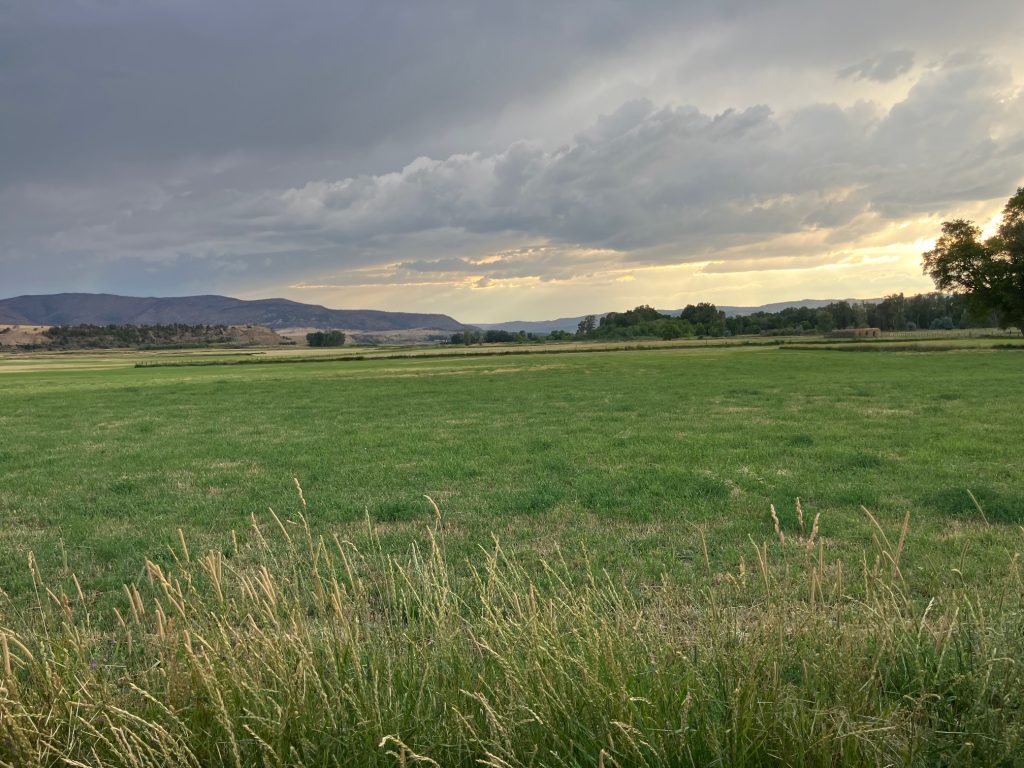
At first, those living in western states weren’t too concerned with data center development in the east. However, now that data centers are either under construction or proposed in states including Wyoming, Colorado and Nebraska, new concerns are surfacing.
Last year’s announcement regarding construction of a large data center near Cheyenne gained heightened concern with the discovery of an unusual bacteria strain in the wastewater that contaminated the sewer system. Although the bacterium occurs naturally in soil, it poses a threat to immunocompromised individuals.
Colorado has numerous smaller-scale data centers, most of which are in the Denver area. As is the case in other states, local government entities are responding to public protest by limiting new construction and passing moratoriums.
Nebraska is home to several data centers with more on the way. While Governor Pillen supports data center development, he recently created a task force to set guidelines and signed LB1261, which requires entities to create their own electricity.
Most early data center developers kept projects quiet, perhaps because they anticipated public outrage and unified attempts to squash projects. Now that the proverbial feline has exited the bag, there’s widespread interest among rural citizens to make sure data centers don’t become a part of their landscape.
The advent and rapid improvement in artificial intelligence (AI) is one a primary reason for data center proliferation. These information hubs have become a necessary evil for a world transfixed with services such as ChatGPT3, launched in November 2022. Insurance, medical facilities, bank fraud protection, rideshare services and even doomscrolling rely on AI, which in turn requires data centers.
According to Cleanview (http://www.cleanview.co/data-centers/us), as of August 20206, there were 1,287 data centers currently operating in the U.S. That number might seem high, but there are already more planned.
In a recent webinar on data centers, Matt Svetz, Penn State Extension, explained some of the reasons for data center expansion, especially in rural areas. It’s primarily because some data centers don’t require proximity to major population centers because they aren’t sensitive to latency (delays in transmission) in the same way as traditional data centers.
“The main thing is access to electrical grid infrastructure,” Svetz said. “This is generally high-voltage transmission lines. They also want space because of the size of the facilities.”
Data center developers want access to large land parcels for ease of design and construction. Depending on existing infrastructure, new structures may require a dedicated substation.
“They’re generally looking for relatively flat large tracts of land,” Svetz said, “so they can potentially expand operations. They also want less disaster-prone areas. A lot of developers are looking for onsite generation solutions to get around delays in the grid. Data center developers are looking for quicker timelines than grid operators can provide for interconnecting them.”
One of the biggest issues in early data center development has been non-disclosure agreements (NDA). These legal contracts are signed by developers and local officials when preliminary deals are made to prevent the public from learning details regarding proposed data centers. From the developer’s perspective, an NDA can prevent land prices from increasing and deter competitors from attempting to purchase land. However, for many communities, learning about data center plans after the fact quickly results in concerns about land, water, noise and electricity; all of which yield strong local opposition. This leads to public distrust, along with highly vocal and even stronger opposition.
Michael Helbling, staff attorney, Penn State Center for Energy Law and Policy, explains that for most communities, ordinance provisions are the best way to manage data center development. Such ordinances can address topics such as data center siting, conditional use and special exceptions, land or lot size restrictions, setbacks, building height restrictions and requirements that developers submit plans.
Many states’ laws prohibit exclusionary zoning, which means all lawful activities must be allowed – including data centers. However, location and manner of operation can be restricted.
When citizens begin to challenge data center development as a unified body, they often lack guidelines. Community members interested in monitoring local data center development should, at the very least, become familiar with state and local permits required for development. Even if the data center is not in your immediate community, it’s worth attending meetings in neighboring communities to gain an understanding of what has been proposed, what local officials have acted on and what can still be done. In many cases, the answer to the last point is ‘a lot.’
“We’re seeing states take action on permitting (data centers),” Helbling said. “How will they be permitted, what kinds of tax breaks and incentives are they getting, and how can they be located? Will municipalities maintain control over siting, or will the state have some centralized ability to determine how they’re located?”
Helbling often sees broadly defined goals, but goals must be carefully considered with no details spared. One objective is to avoid overbuilds to ensure projects are appropriately located to minimize the likelihood of additional transmission or data centers in the future. Another goal is remaining aware of and avoiding extra costs and stranded costs – those unrecovered, fixed expenses made by utilities that may be unpaid if the project is canceled or downsized.
If the utility must build new infrastructure and new generation capacity to satisfy data center demands, make sure the data center can’t pull out of the plans in several years and place the burden of a half-finished project on the utility or customers. Any costs associated with data center development should be on the data center developers along with assurance that the data center itself will be responsible for all costs of further development.
Residential customers should not have to pay for data center infrastructure and energy – make sure that topic is fully covered. Require or incentivize demand response ‘to ensure that at times of high eed or high stress of the electric grid, customers can adjust their demand to minimize the burden when it’s the highest.’
If a developer challenges setbacks or other provisions in court, there may be a large loophole for development to move forward because developers can propose their own version how the process should work, potentially leading to litigation.
The website http://www.datacentertracker.org provides information on state legislation on data centers. According to the website, ‘South Dakota passed SB 135, barring the state from limiting local governments’ authority to regulate or ban data centers – preserving local control.’
North Dakota Public Service Commission Republican primary candidate Chris Olon called for a statewide data center moratorium until the 2027 legislative session sets a framework. ‘The world is moving faster right now than the people of North Dakota can keep up with.’
Montana’s SB 212, the Montana Right to Compute Act, was signed by Governor Gianforte in April, 2025, and establishes a legal right to own and use computational resources including data centers. The law requires any government regulation restricting computing resources to be ‘demonstrably necessary and narrowly tailored,’ effectively limiting local governments’ ability to restrict data center siting or operations through zoning.
No one wants to see data center development near their ranch or business. If development is inevitable, citizens must participate in ensuring everything possible is done to ensure developers are held to strict standards with guidelines in place to keep the best interests of citizens, resources and traditions intact.