No compensation for South African dairy farmer on high alert for FMD return
By Chris McCullough
IT was a morning South African dairy farmers Carol and Craig Houston were dreading, as staff told them 50 cows were showing signs of the dreaded Foot and Mouth Disease (FMD).
Even though the country had been plunged into a FMD crisis, the Houstons had tried their best with antibiotic treatments and biosecurity measures to keep it out of their dairy farms.
However, on New Year’s Day 2026, 50 cows were first to show symptoms of FMD, ironically on the farm that the Houstons practice higher biosecurity measures.
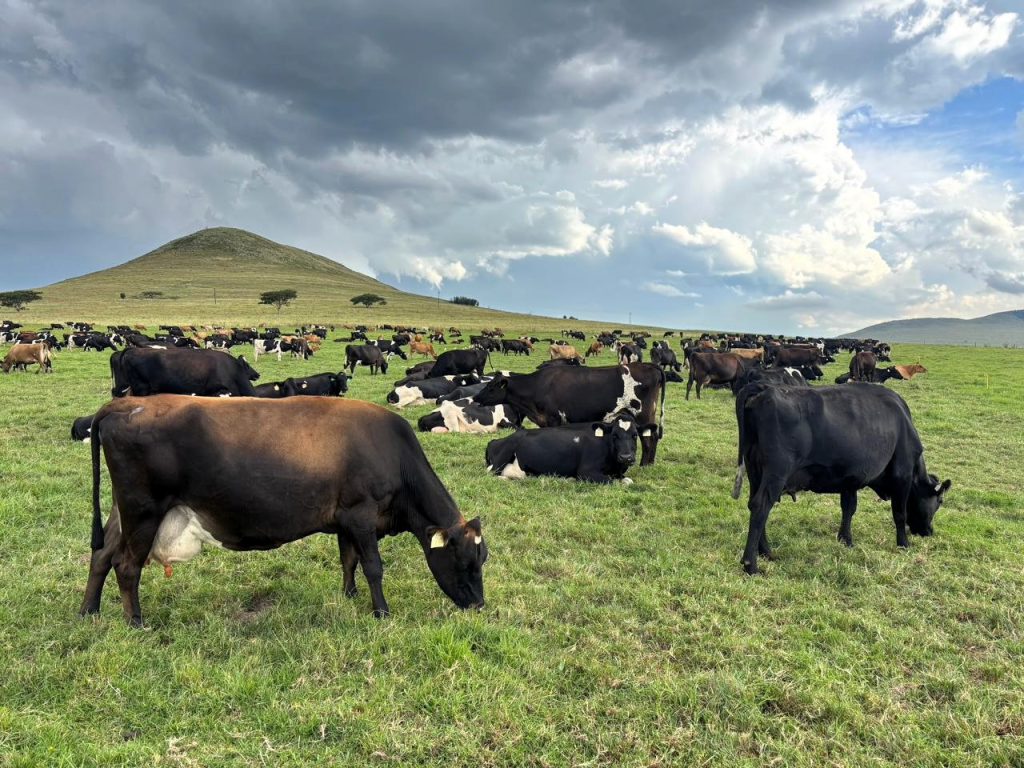
Craig and Carol run two separate dairy farms in KwaZulu-Natal at Mooi River totalling 1,500 hectares. This is split 1,000 hectares on Niekerksfontein Farm owned by them, and 500 hectares at the second farm just 5kms away, which they lease.
On the home farm they milk 800 cows and keep a further 700 animals as dry cows and replacement stock. Around 400 cows are milked on the second farm with another 300 animals as followers.
Carol said: “It wasn’t the start to the new year that we had hoped for but the word came through from the staff that the cows had FMD.
“They were showing the typical signs of FMD with some having mastitis and having problems when walking. Our overall milk production fell from 14,000 litres per day to just 9,000 litres per day as the cows were eating less.
“We assume the disease had travelled via the air from a neighbouring farm that also had FMD. We had already vaccinated some cows for FMD at the start of December but it still arrived later.
“As the cows immune system was so low, they also contracted Red Water disease and we had an outbreak of that which we had to vaccinate for.
“At any one time we had around 300 cows with mastitis or feet problems. In the end we lost 16 cows with FMD or associated FMD issues,” said Carol.
All the cattle are crossbred between Holstein Friesian and Jersey breeds to give the Houstons a hardier cow with high butterfat.
The herd is kept outdoors all year long and a stronger cow is needed to tackle their heavy farm involving walking long distances to pasture.
The herd’s average yield is around 20 litres per cow per day in the summer time, falling to 15 during the winter period. Butterfat is averaging 4.8% and protein is 3.6% sold to Douglasdale processor in Johannesburg at around 8 Rand (UK£0.37; US$0.50) per litre.
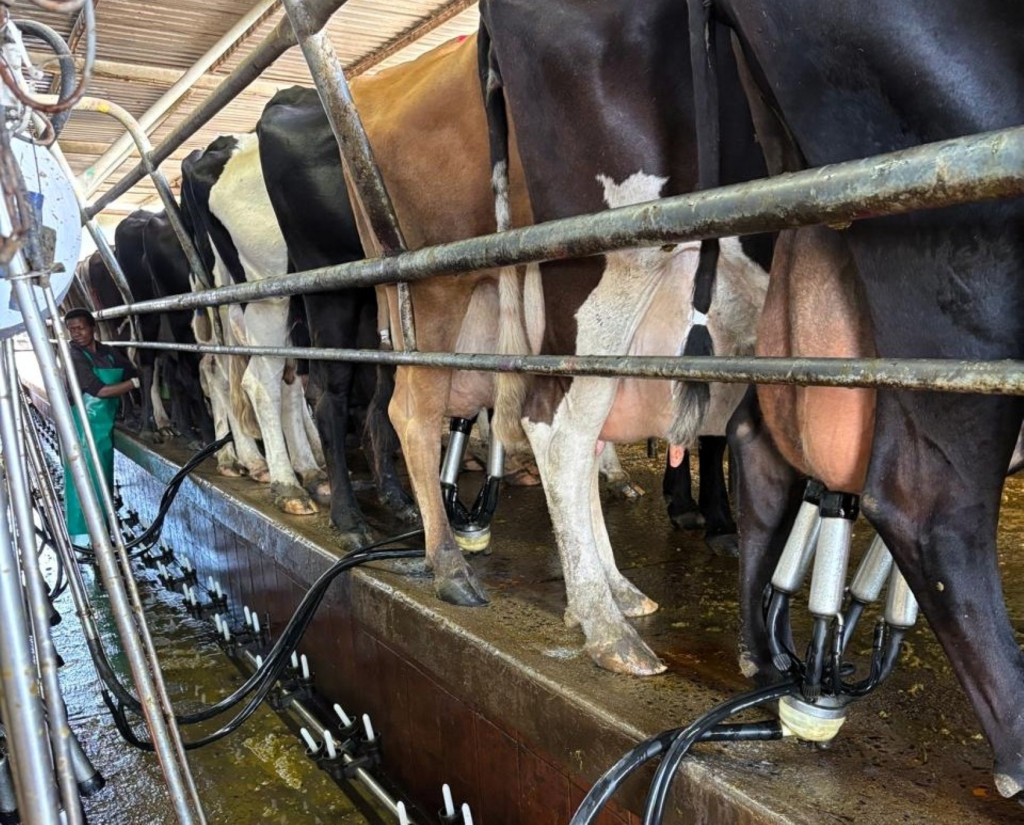
Cows are milked twice per day on both farms using a DeLaval 30 point swingover parlour on the home farm and a Waikato 30 point swingover parlour on the other farm.
The Houstons employ around 50 staff and also have their two sons, Andrew and Alan, working on the farms.
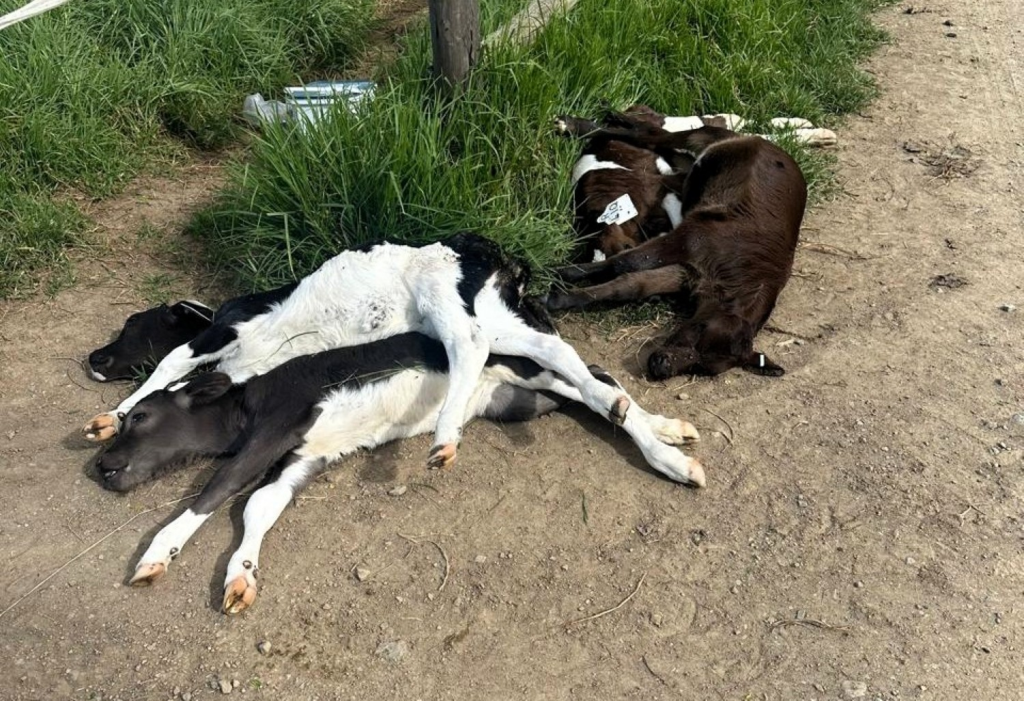
Carol also lost over 80% of her heifer calves born in January due to Tiger Heart, a pathological condition in animals characterised by fatty degeneration of the heart muscle, due to myocardial necrosis in FMD cases.
“I calve all year round and out of 43 heifer calves born I lost 35. The calves looked fine and healthy one moment, but in three hours time they were lying dead as their hearts gave up. It was heartbreaking,” said Carol.
The Houstons have been critical of the South African government saying it reacted too slow to FMD.
Carol said: “There is no point in the government starting a mass vaccination programme now when FMD is already present in many herds. They should have started it long ago and take a more preventative course of action.
“We actually had to source our own vaccines from Botswana as there was no sign of the government doing so. Our previous batch of vaccines cost us around 75 Rand (UK£3.47; US$4.68) per cow, and they have to be vaccinated every three months.
“That’s a lot of money to shell out and there is no compensation available from the government for loss of livestock or loss of production due to FMD. There is nothing for free in this country.”
Following an intense two to three week period of treating their cows, stripping out the mastitis from the cows udders, and cutting all herd movements, the Houstons finally got news that their herd was all clear from FMD.
However, that does not mean Carol and her team can relax, as there is still a FMD crisis in South Africa and other dairy farmers have already had repeat outbreaks of FMD.
“We can’t rest on our laurels,” she said. “We have to keep a very close eye out for any more signs of FMD.
“During every milking we have to check the cows for symptoms of FMD and continue our vaccination programme.
“The government has just received a shipment of around one million doses of vaccine, but we have no idea how many we will receive. We have to help communal farmers pay for their vaccines too as many of them cannot afford it,” she said.
For the Houstons the total cost of FMD is over 2.5 million Rand (UK£115,750; US$156,000) in terms of antibiotics, vaccines and other preventative medicines over a three month period. They have also lost over a million Rand in loss of milk sales.