Horse Roundup 2026 | Equine insurance covers beyond excellent care
Sally Scholle Follow
Horse owners often exchange friendly banter about protecting horses with bubble wrap.
The safest barns and pastures are no match for a horse determined to injure itself. It isn’t unusual for a horse to run into a fence post, scratch an eye, or come to the gate with a bloody leg. Horses go down quickly with illness, and in some cases, exhibit severe colic that requires veterinary intervention and sometimes surgery.
The only clear answer for dealing with the added costs of horses’ mishaps is a good insurance policy that’s well-matched to the owner, horse and discipline.
The first step for insuring horses is finding an agent with an extensive background in the equine world; someone like Brittney Sporer who has a lifetime of experience with horses and competition. Sporer grew up riding hunters and jumpers and has been competing in barrel racing since college.
“When I was growing up, my horses and cattle were always insured,” “said Sporer. “A few years ago, I started looking into selling equine insurance in order to have a remote job while I was rodeoing.”
-
It’s close to impossible to completely safeguard pasture facilities to prevent injuries. photo courtesy of Nan Gonzales.
9153048056302725052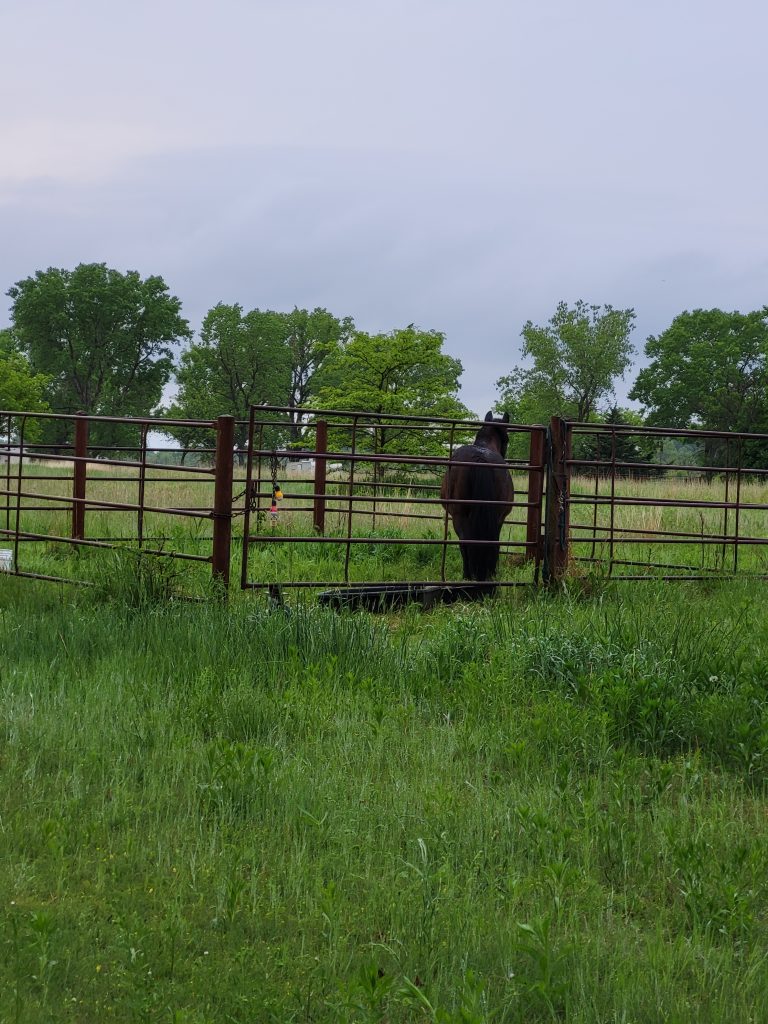
-
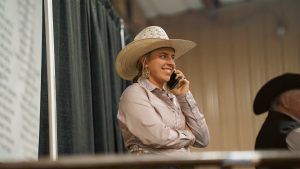
Brittney Sporer has been competing in barrel racing since college. Courtesy photo.
DSC_0080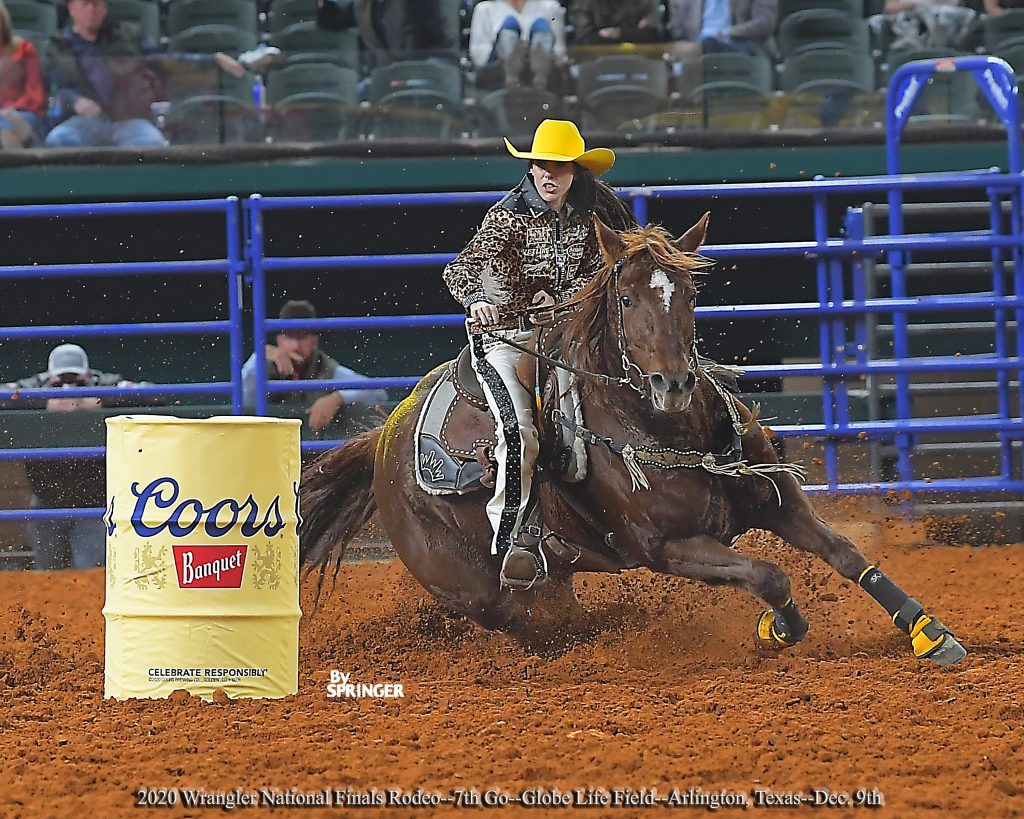
-
Despite excellent care and careful training, it’s wise to insure horses that compete as jumpers to cover injuries. Courtesy photo
HNP_6046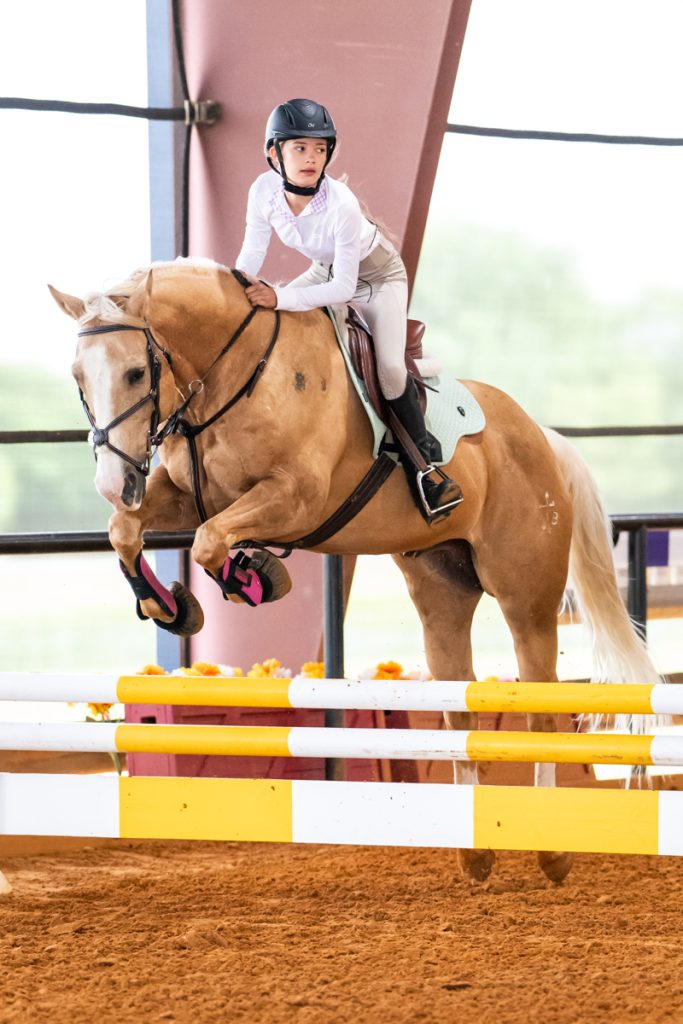
-
-
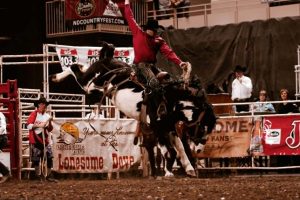
Horses in all competitive disciplines are subject to injury. Courtesy photo
HNP_6077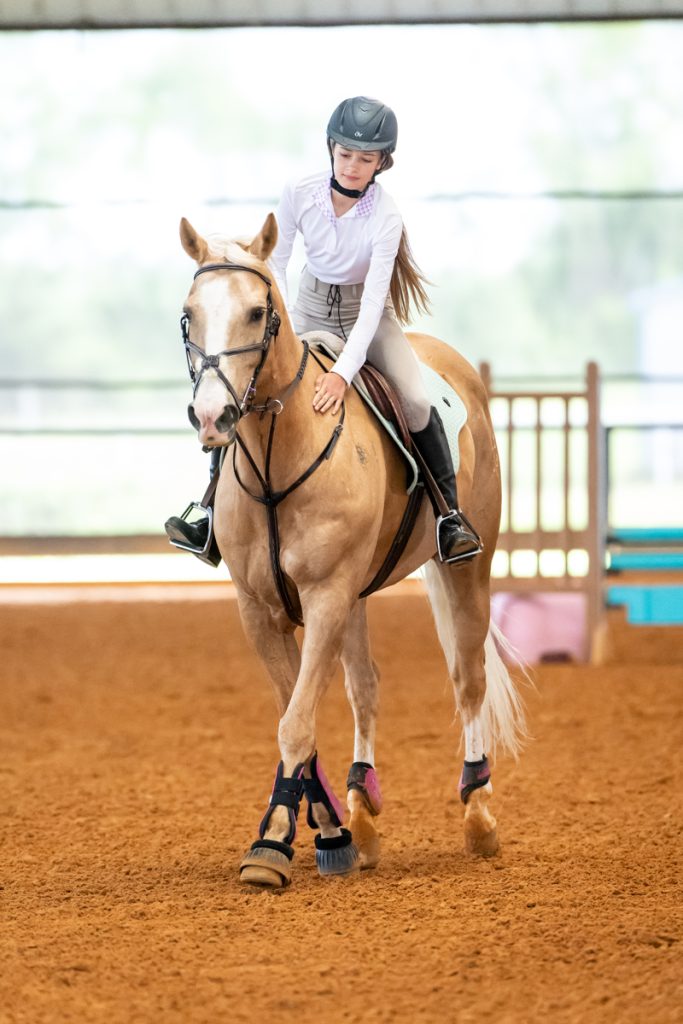
-
Brittney Sporer has been competing in barrel racing since college. Courtesy photo.
IMG_3416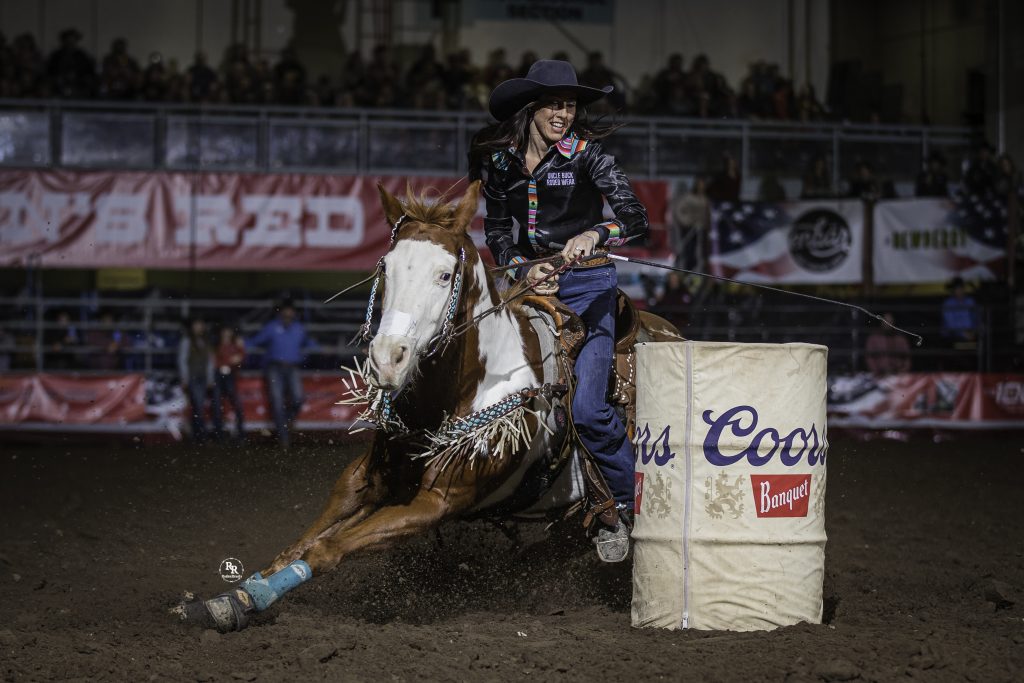
-
No matter how good the facilities and pastures, horses have a knack for being injured while simply being horses. Courtesy photo
IMG_5223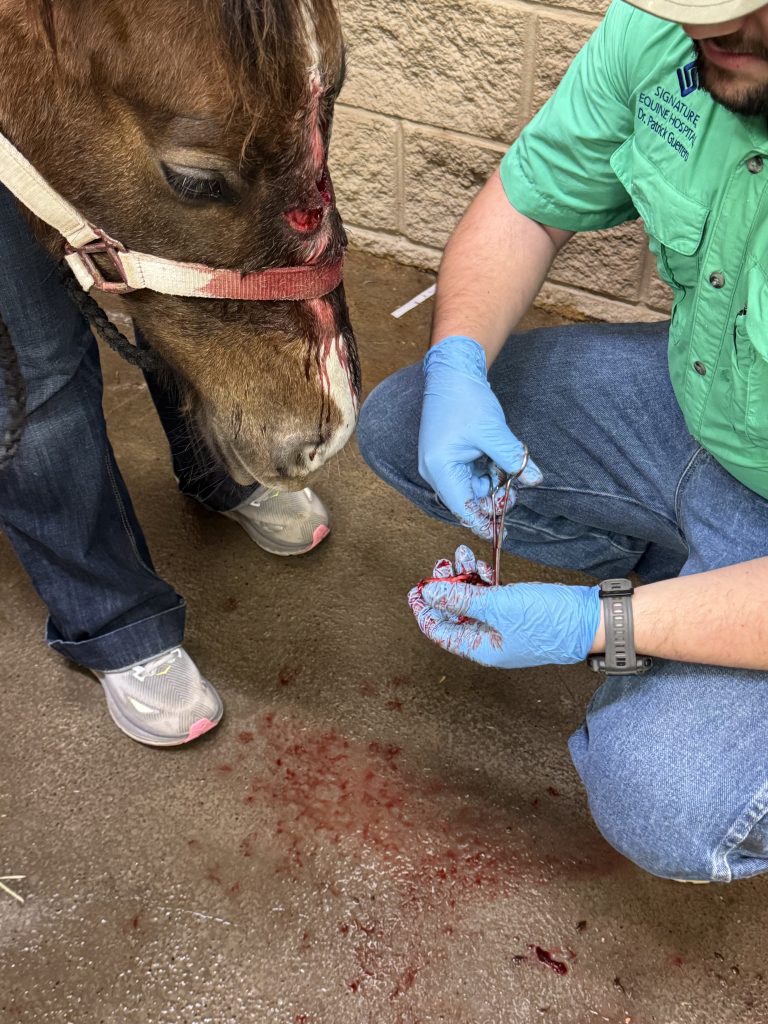
-
Horses in competition with talented young riders are usually under close adult supervision but are still at risk of injury. Courtesy photo
IMG_9146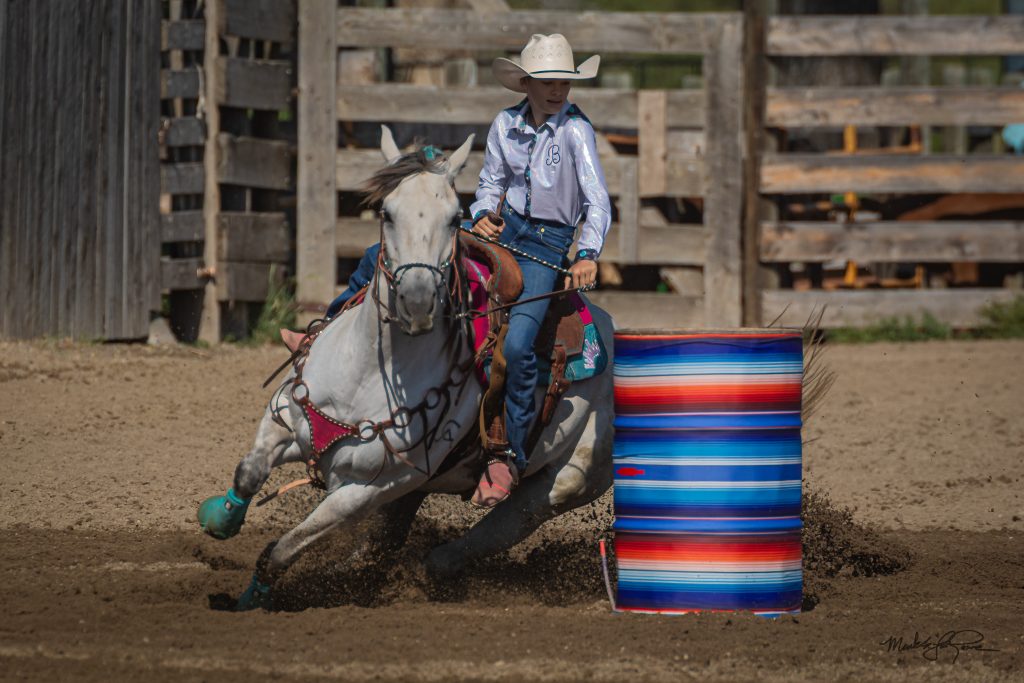
But before she could sell equine insurance, Sporer had to obtain her property and casualty license.
“I was hired by Covered by Cori and did a three-day training to learn everything about selling equine insurance,” Sporer said. “There are a lot of terms, loopholes and learning what is covered and not covered.”
When someone approaches Sporer about insurance, she first gathers information about the horse’s background, age, value, breed and discipline. Sporer noted that insurance underwriters’ requirements vary, and it’s up to her to determine what’s best for the owner. For those who haven’t insured a horse in the past, Sporer says the biggest question is understanding policy coverage.
“Once I have that information, the owner completes an application and lists health conditions, past injuries and routine maintenance,” Sporer said. “Then I can give them a quote.” Sporer added that some conditions such as kissing spine would result in an exclusion on any future injury or maintenance related to the spine.
It’s critical for horse owners to provide the most accurate information possible to enable the agent to provide the best insurance options. Sporer says this is especially important when horses compete in multiple disciplines.
“Every company is different,” Sporer said. “It depends on the underwriter. One company may not insure a western pleasure horse, but another company will. It’s the same with racehorses. We try to choose the discipline the horse competes in most to give the best rate.”
Basic equine insurance coverage begins with mortality, which covers an accident or illness that results in death of the horse. Basic coverage typically includes theft, accidents during transportation and emergency colic surgery. Numerous coverages can be added to basic mortality, including major medical, surgical or accident/illness.
“Mortality must be verified by a veterinarian,” Sporer said. “In many cases, depending on the insurance company, a necropsy might be required.”
For basic insurance, a veterinary examination isn’t necessary because it’s based on the value the owner places on the horse. If an owner wants to insure a horse for more than the purchase price, further information such as stud fees, training or winnings is usually required. Theft is covered but requires a police report and will pay out if the horse isn’t recovered within a certain time.
“Farmers and ranchers ask me, ‘what if my horse dies in the pasture and I’m three hours from the vet,'” Sporer said. “I tell them to contact me – I’ll be the middleman and start the claim.”
Horse owners are always alert for signs of colic, and Sporer has seen colic claims for nearly every age – from weanlings to older horses.
Most colic coverage includes basic surgery, but the horse won’t be eligible for insurance for one year following surgery. After a veterinarian verifies the horse has not had further issues or surgery for colic, the horse can be covered for colic. If colic surgery involved a resection with removal of a section of the intestine, insurance no longer covers future colic incidents for that horse.
Mares and stallions in breeding programs can be insured. With an IgG test and veterinary certificate, foals can be insured at 24 hours of age, regardless of value. Some specialty underwriters will insure unborn foals.
“Underwriters want to know how mares are being bred and where they are kept,” Sporer said. “Accident, illness and disease coverage can be added to stallion insurance to cover potential infertility and other breeding issues.”
Sporer says underwriters are very specific about insuring stallions. Stallions covering mares on pasture have a higher risk of injury than those collected for artificial insemination, which may increase the premium.
Some advanced therapies are covered by equine insurance. One example is the anti-inflammatory joint disease treatment IRAP (Interleukin-1 Receptor Antagonist Protein). This modality is covered if the horse has major medical coverage and treatment is by a veterinarian.
Senior horses can usually be insured, but the age limit depends on the underwriter. Many underwriters will cover horses up to 20 years old after a veterinarian completes a form stating the horse is healthy and fit.
For horses that are away for boarding and/or training, the owner notes the location of boarding and/or training. In the case of leasing, ideally the horse is insured by the owner with the lessee listed as an additional insured.
Sporer says premiums for non-competitive pleasure horses are reasonable. Tack is insured by some companies as a policy addition and covers tack stolen at home or at a show. A police report is required for tack theft.
Horses are often sold at private or public auctions, and for immediate coverage following purchase, newly purchased horses can be insured by ‘fall of the hammer’ coverage.
“This means immediately upon signing the application, the horse is covered,” Sporer said. “Even in a private sale, once the application is signed, the horse is covered.”
When Sporer discusses policy options with clients, she emphasizes that basic colic surgery coverage covers about half the cost of such surgery.
“If they want to cover more, we can add extras,” Sporer said. “I try to work with people, break it down and explain what they can get. If they want basic coverage but also want most of a colic surgery paid for, I can add surgical coverage.” Another add-on is colic treatment coverage that covers medical expenses for a colic incident that doesn’t require surgery.
Sporer explains that some companies don’t have deductibles or co-insurance for surgical cases. “That can double as colic surgery,” she said. “You can add that surgical coverage to the colic coverage you already get. For major medical coverage and some surgeries, there is a deductible.”
For the horse owner who hasn’t insured a horse in the past, Sporer suggests asking the agent questions including what’s covered by a basic policy, how emergency colic coverage works and how claims are filed.
Anyone interested in insuring a horse should make a list of questions then visit several agents to determine what’s best for horse and owner. The agent should be able to answer all questions and explain policy options that best suit the horse owner and their horse.