2026 Spring Homeland | Mac’s Creek Winery & Brewery

Mekenna Fisher Follow
-
Mac’s Creek Winery & Brewery has been owned and operated by the MacFarland family since opening in 2001.
Mac’s_Creek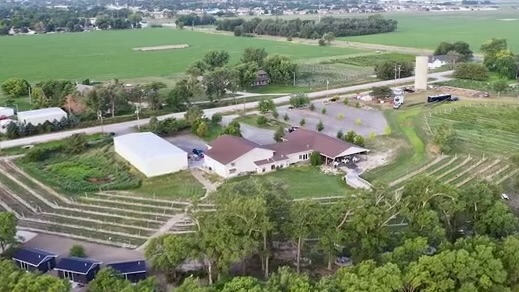
-
The MacFarlands grow 10 varieties of grape hybrids that form the basis of their award-winning wines.
Screenshot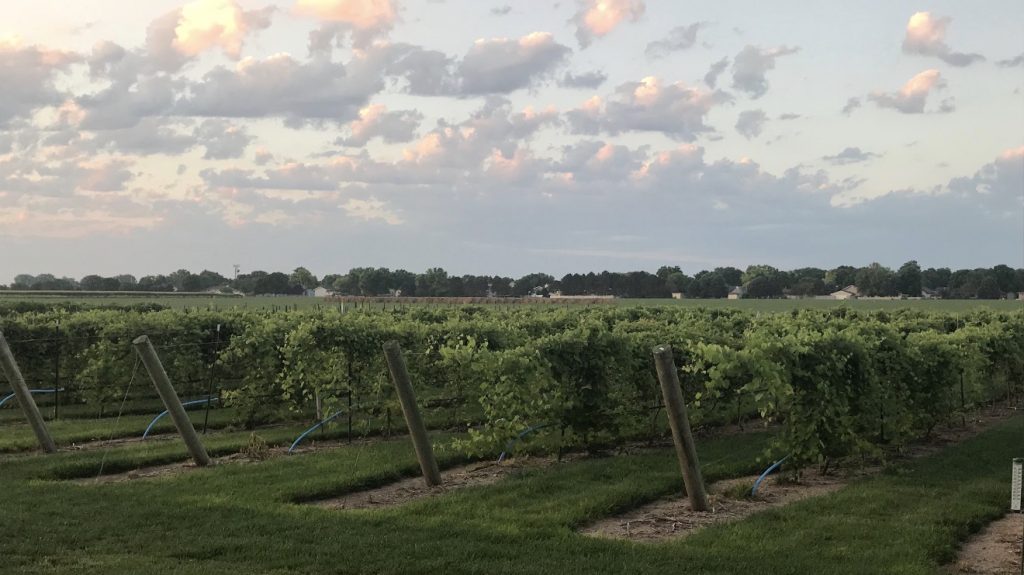
-
Mac’s Creek features an assortment of wines with unique flavor profiles, thanks to the often extreme weather conditions their vines endure.
Screenshot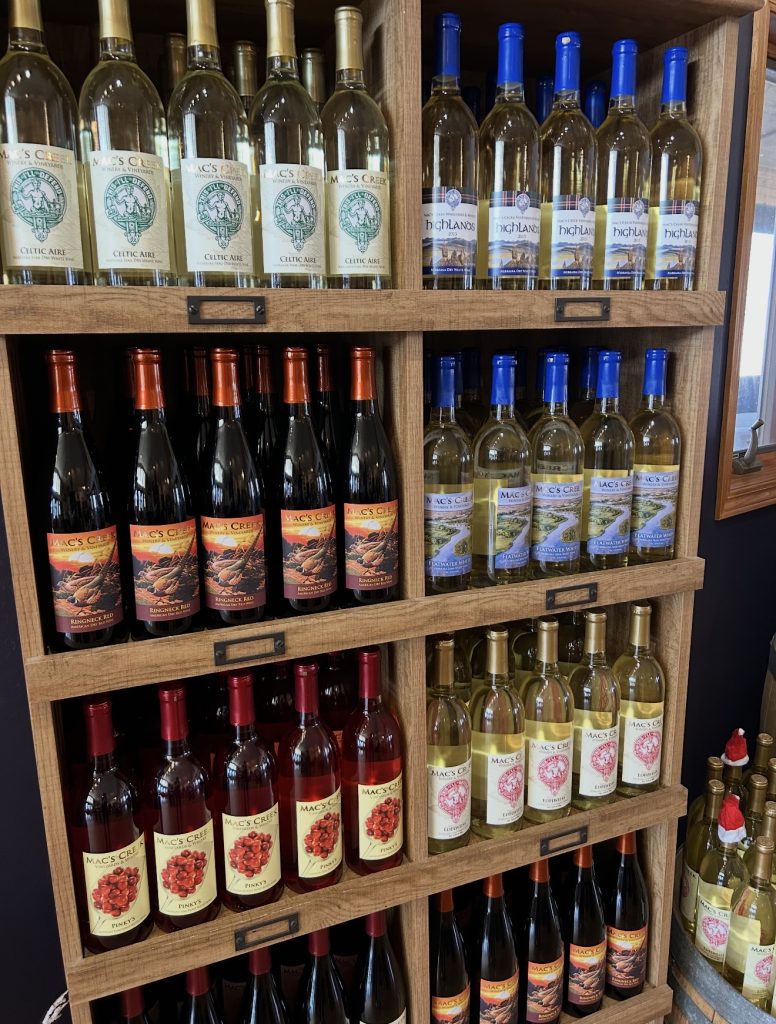
-
-
Mac’s Creek features an assortment of wines with unique flavor profiles, thanks to the often extreme weather conditions their vines endure.
Appetizers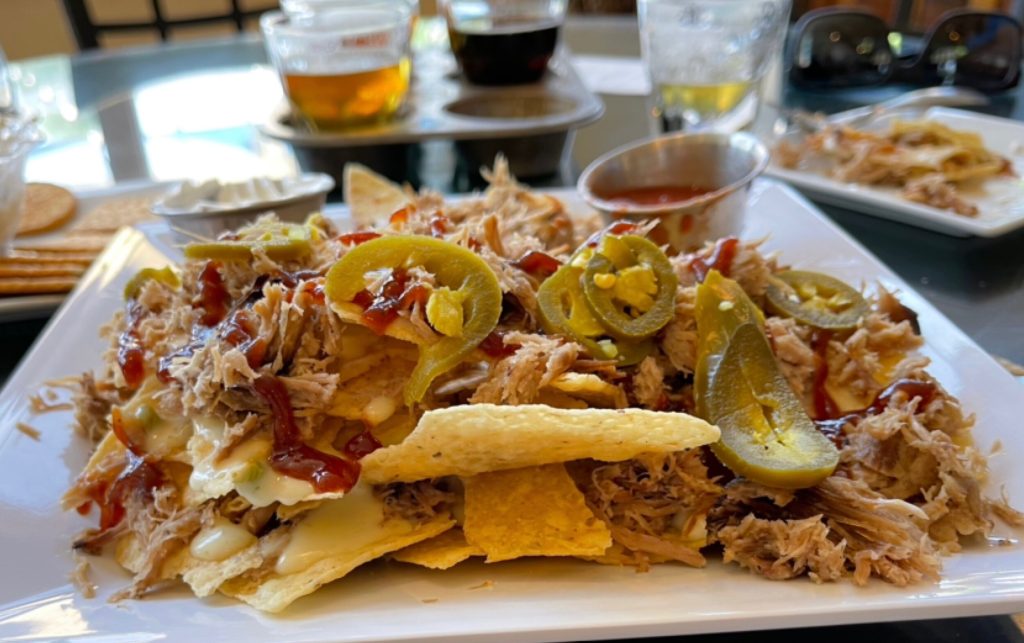
-
Mac’s Creek became a licensed brewery in 2019, expanding upon their line of wines and ciders with craft beers brewed in-house.
Screenshot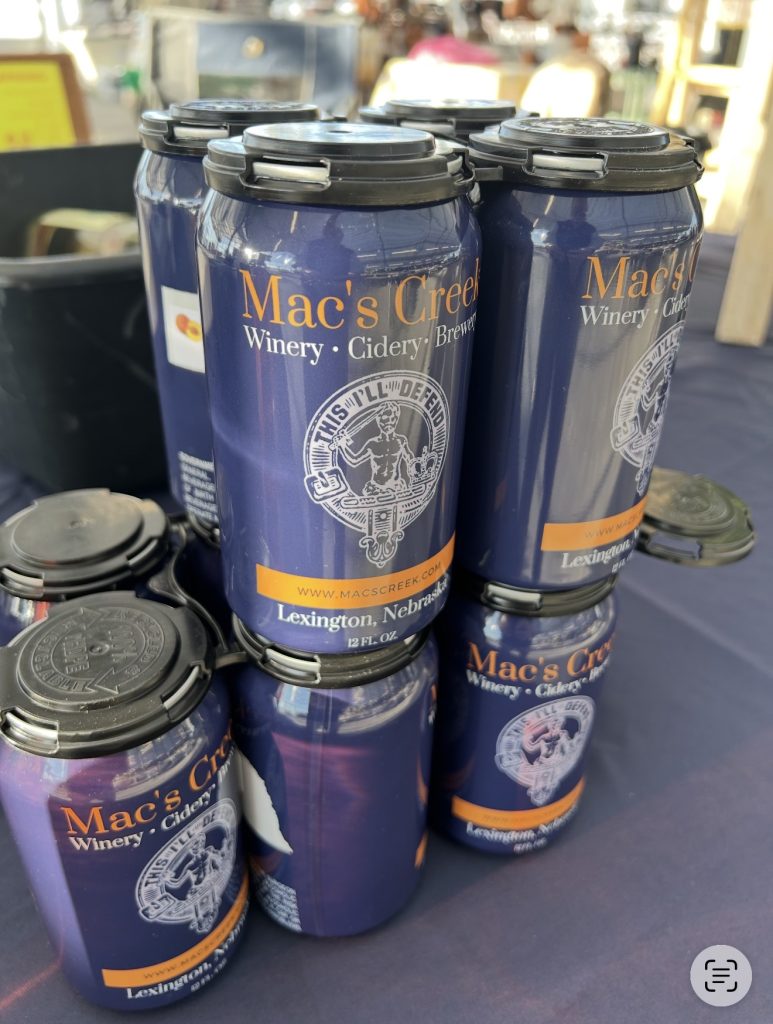
-
Theresa and Max MacFarland created Mac’s Creek in 2001 and continue to manage it alongside their children Seth, Abbey, and Barry.
Screenshot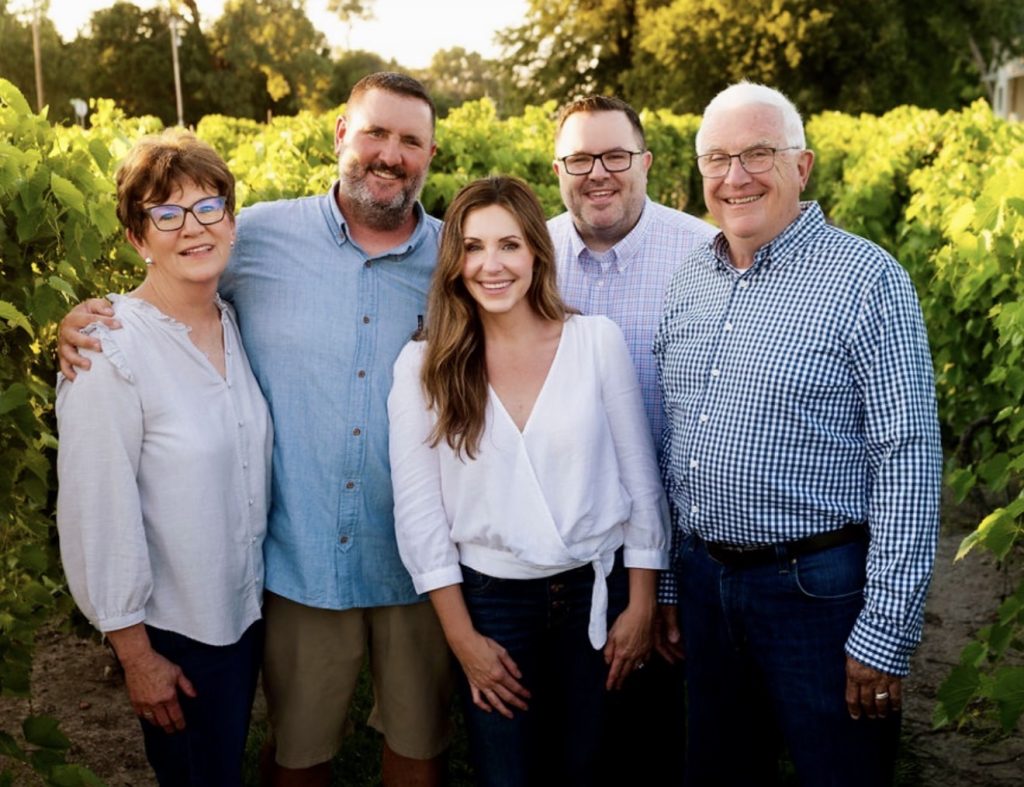
Situated just off I-80 in Lexington, Nebraska, the McFarland family operates a thriving vineyard in the semi-arid heart of the state. Mac’s Creek Winery & Brewery is a popular tourist destination and community hub. Max and Theresa McFarland have been running the business with their three children since 2001 when they bought a patch of land adjacent to their home. Formerly belonging to a feedlot and unsuitable for row crop agriculture, the ground was slated to become a subdivision.
Max and Theresa, both of whom came from agricultural backgrounds, didn’t want to see the land lost to urbanization. Instead, they chose to give the property new life with an unusual crop for the state: wine grapes. Since the first grapes were planted in 2000, Mac’s Creek has continued to grow. “26 years later, we’re completely out of control,” said Seth McFarland, middle child of Max and Theresa and head of operations. He attributes much of this success to his parent’s enthusiasm for the business, stating that they’ve always had a passion for the wine industry. While Max and Theresa remain heavily involved in Mac’s Creek following their retirement from their teaching careers, Seth now heads most of the operations on their 8-acre vineyard.
Central Nebraska can be a tricky area to cultivate grape vines, due to unpredictable weather that tends to alternate between temperature extremes. From hot, windy summers with low humidity to bitter cold winters with Arctic blasts, these plants have to be hardy enough to survive a wide range of conditions. The crew at Mac’s Creek has spent the last two decades honing their plant selection through wine producer’s conferences across the country and research with university such as Cornell and the University of Minnesota. McFarland said that their favorite varieties have come from private breeders in Minnesota that have developed plants well-suited to Midwestern weather patterns. “We kind of determined through that that these varieties could withstand our winters, and our droughts and our heat,” he shared. The McFarlands wanted varieties that were hardy enough to survive without constant inputs. Most of the 10 varieties they now farm are hybrid crosses between Vitis vernifera, the common grape vine, and Vitis riparia, wild riverbank grapes. This cross allows the McFarlands to reap the benefits of both- the popular taste of varieties such as Chardonnay and the cold hardiness of a species native to North America. “The varieties are very hardy, they’re solid, they have great flavors,” McFarland said.
However, the current field roster is far from set in stone. There are constantly new grape varieties being developed, and the Midwest presents an excellent opportunity for a spread into new markets. “The middle part of the country is very quickly becoming a formidable wine growing region,” McFarland shared. He explained that climate change could benefit the wine industry in states with cooler climates toward the middle of the country. The unique weather trends making their way into the region can serve as a boon to grape producers. “The amount of stress we get in our climate, whether that be cold, heat, wind, rain, whatever that is, it creates a lot of stress on the plant. But that creates a tremendous amount of flavor within the fruit.”
These weather conditions have another benefit as well. The low moisture and temperature extremes make it difficult for diseases to survive and propogate. This, combined with the natural disease resistance of the varieties they use, means that Seth and the crew have to use very few pesticides to keep the plants healthy. Up until two years ago (thanks to the invasion of Popilia japonica, the Japanese beetle), Mac’s Creek never used a single chemical pesticide. These plants are incredibly efficient and require almost no inputs. They receive no irrigation, instead extending their roots up to 80 feet underground to reach the Ogallala aquifer.
All of this factors into the winery’s efforts towards sustainability. Mac’s Creek utilizes practices such as recycling all the plastic and cardboard used in their operation, relying on essential oils as pesticides, and composting to fertilize their plants. They’re also currently working with a company based in China that’s developing new disease-control methods, such as UV lights mounted to tractors that can kill harmful microorganisms on the plants. McFarland stated that the operation isn’t certified organic and isn’t trying to be, but that they push for sustainability in all of their practices. “It goes way beyond just the vineyard and the ecosystem. It follows it all the way into the tasting room and sustainability in the community as well,” he said. The McFarlands believe that a key cornerstone of sustainability is being involved in the community. Max, who recently retired as a professor at the University of Nebraska- Kearney, and Theresa, a retired special education director, both serve on several community boards alongside their involvement in Mac’s Creek. “They really enjoy the sales and going out and talking to people,” said Seth. Their eldest son, Barry McFarland, is an elementary school principal in Lexington. He balances that career with the task of handling the winery’s billing and documents. Abbey Thies, the youngest of the three siblings, is a mortician in Lincoln. She also manages the sales and distribution of Mac’s Creek on the eastern end of the state. Each family member has an essential role in the operation. “My role is to make sure the building doesn’t burn down,” Seth joked. He works full-time at the winery and handles all of the production in Lexington. He also sits on several community boards himself.
While the McFarlands work hard to keep the operation running, they can’t do it all alone. Mac’s Creek employs around 20 additional hands throughout the year, from the harvest crew to the tasting room staff. They also network with agriculturalists throughout the Midwest to supplement their products. “We have several growers across the state that we purchase from,” said McFarland, estimating that these farmers account for around 20% of the grapes used in their winemaking. All of these producers are located in central Nebraska, from Lewellen to Kearney. “As far as fruit goes, the closer the better,” he said. Aside from grapes, they also outsource the production of some of their apples. While Mac’s Creek owns a small orchard in Eddyville that produces crab apples, they predominantly source from Arbor Day Farms in Nebraska City. These apples are used for their apple wine and their relatively new craft cider and beer venture.
While Mac’s Creek started out as a grape winery, they also produced some hard apple cider. Under Nebraska law, hard cider is technically classified as a wine since it’s a fruit-based alcoholic beverage. They were able to brew and sell the cider under their winery certification. In 2019, the McFarlands decided to branch out into new territory and became a certified brewery. They now utilize a microunit that produces a few hundred gallons of beer every month. They purchase their hops from local growers, but the yeast and barley have to be shipped in. In addition to wines and beers, Mac’s Creek has expanded its menu to include some non-alcholic beverages. Their refreshed lineup now includes non-alcholic wine, hopped iced tea, a fermented pineapple spritzer, and root beer that’s brewed in-house. “We’re trying to morph with the times a little bit, but trying to keep tradition alive with the wine recipes and beer recipes as well,” McFarland said. Each of their recipes has been a resounding success. He shared that they struggle to keep the root beer in stock since it sells out so fast, and their Buzzards Roost Blush wine has been voted the best rosé in the country for the past three years.
Not only do they have a wide array of drinks- Mac’s Creek also hosts a wide variety of events outside wine tasting. During the Lenten season, the Irish Catholic McFarlands host a fish feed every Friday at the winery. Every other Friday during the summer months they host a live concert on the banks of Spring Creek. As part of their efforts to promote community support and involvement, they bring in an arrangement of local food trucks concert attendees can enjoy. They also partner with the city of Lexington to host the start and finish of some fun runs throughout the year. Lexington residents are also familiar with the winery’s hit puzzle competition nights and wine pairing dinners. Additionally, the winery serves as a venue for private events such as bachelorette or birthday parties. Mac’s Creek has also recently expanded into lodging. Starting in March and through December, visitors can book a stay in a handful of “glamping” cottages that offer scenic views of the vineyard and creek and offer easy access to the sustainability trails on the property. The McFarlands believe that this opens up opportunities for more people to visit not just the winery, but the community of Lexington. “We want to continue down that road, not so much with lodging but diversify and hopefully add some things that draw people off the interstate and into our community,” McFarland said.
From wine connoisseurs to concert enthusiasts to naturalists, Mac’s Creek Winery & Brewery caters to visitors of all ages and tastes. The winery and the family behind it are staples of the Lexington community. Through their stewardship of the land and support of their community, they’re working to promote agriculture and sustainability in the region for years to come.