Generations of Good horses: SDQHA recognizes Good family with Rodeo Legacy Award

Good_4
The combination of good bloodlines, a niche in bulldogging and hazing horses, and generations of hard work and dedication have crafted a family legacy for the Good family of Long Valley, South Dakota This year they are recognized by the South Dakota Quarter Horse Association with the Rodeo Legacy Award.
For over 70 years, the Good family has ranched in the shadows of Eagle Nest Butte on the Pine Ridge Reservation in south central South Dakota. In the ’50s and ’60s grandfather Gordon Good calf roped and team roped around the Midwest. When he and his wife Janet had their three children: Allen, Darin and Debbie, they took them to Little Britches and high school rodeos, and all three continued on in the rodeo path. Allen and Darin were drawn to steer wrestling, and a family legacy began with their dad hazing beside them. Allen and his wife, Beth, had two boys: Carson and Denton, both who grew up riding and training horses and today follow in the family tradition. The Good boys have all won South Dakota state high school rodeo championships in steer wrestling: Allen in 1981, Darin in 1985, Carson in 2016 and 2017, and Denton in 2022, as well as many other buckles and money over the years. Both Carson and Denton got their PRCA cards while they were still in high school and continue today as successful professional cowboys. Denton also works as a pickup man.
The Good horses all have an arena base, and get out in some rough pastures and earn their keep doing ranch work. Allen noted that training beyond an arena gives an advantage in today’s world, where there is often too much grain and not enough wet saddle blankets on performance horses. The Good Arena started with the need to train more than just horses, however.
In 1979 Allen and Darin were going to high school in Kadoka, South Dakota, 34 miles away. “I didn’t want ’em to get in trouble, and I wondered how to keep them home,” said Gordon. “So I built that indoor arena and I never had to worry because they were both home every night going to that arena.”
Allen counted 327 bull dogging horses he and Darin have started in that arena over the years, some of which have won money at the biggest shows – including Cheyenne, Pendleton, Fort Worth, the Badlands Circuit Finals, and the NFR.
“Dad built it for us and anybody that wanted to come here could practice – we never charged anybody,” said Allen. “And then it just kind of just grew. There was a need for bulldogging horses and nobody wanted to train ’em. So my brother and I, and now my boys, that’s kind of what we got into.”
Gordon recalls a week in 1997 where it got really, really cold, and they spent most of their time in the indoor arena. “We had a lot of horses we trained for other people then, and there was one week Allen and I ran 1,435 steers through.” Some were thrown, some were scored, but he and Allen kept their remote chute running hot in below zero weather and “drank three pots of coffee every afternoon,” said Gordon.
Carson and Denton were raised in the barn – literally. Their mom ran the chute a lot before they got the remote, and both the little boys spent a lot of time in what they called “the clubhouse” – a heated room where they could watch TV while Dad and Grandpa worked horses. As soon as they were old enough, they left the TV off and started running the chute – then the horses. “Carson hazed when he was 12 or 13, Denton started when he was six or seven. As soon as they could, they were on a horse,” said Allen.
The Good breeding program began around 1984 when Gordon purchased two palomino yearling colts – Snort and Snoop – from Glen Hollenbeck. Unc, a full brother to Snort, came in 1985. “Those horses became the foundation of our success,” said Allen, with Snort and Unc both earning recognition seven times as the Badlands Circuit horses of the year in steer wrestling and hazing. Snoop was his sister Debbie’s horse and found success in hazing as well. Gordon was voted Hazer of the Year six times in the Badlands Circuit – and tied for it a seventh year. The tie went to his son. “So I let Allen have it that year,” Gordon said with a laugh.
After the purchase of at least 15 mares from Hollenbeck, Goods knew they liked the cross of the Sky Watch stud on Leo mares. Then Hollenbeck got out of the horse breeding business.
Allen was shoeing horses for Jim Leach at the time and mentioned he would really like some more horses bred like that. “He told me, ‘Well, start raising them.'”
So they did.
Allen bought some Tiny Watch mares and got a 2000 blue roan stud, Blue Okie Joe, a son of Okie Joe Glo and out of Jeccas Blue Rose, from Leach. He built their herd around “Joe” and their base of mares, selling and competing on their well-known bull dogging and hazing horses, as well as taking in outside horses.
The years, the horses and the memories intertwine among stories and recollections of a lifetime of incredible and humble horsemanship and an unspoken work ethic for the Good family.
“I can remember one Fourth of July we went to 11 rodeos, and between Allen and I, we hazed 119 steers over a week,” said Gordon. “I just stayed up there on my horse, and that’s all I did.”
Gordon also recalled in 2019 when Carson made the Badlands Circuit Finals for the first time. He went into the last round drawing a steer that didn’t get caught in the second round, due to the steer getting in front of the hazer. “An old friend of mine, J.B. Lord, told Carson, ‘Don’t you worry about it, Carson, you got Grandpa and you got Khola, and you’re going to get him.’ They won a check in the last round.”
Gordon also noted there were a lot of good guys who helped them in their steer wrestling careers. “There was a guy down by Valentine that most everybody in the state knows, Wayne Cornish. He really helped us a lot.
“Some other guys who really helped us were the late Tex and Brian Fulton. There’s a lot more of ’em, I could go on all day, but I’ve got to give those people the credit that’s due to ’em for getting us where we were at and having the class of horses that we did,” said Gordon.
As they look ahead to the future, Allen said they are going to keep raising and training bull dogging horses as long as they can. “We’ll keep doing what we’re doing. Not too many other people are making them; they’re really hard to come by.”
As the Goods reflect back on their time in the sport, they acknowledge that bull dogging is in a league of its own – for good and bad, and given that a lot of guys can get mounted on horses owned by other people, fewer steer wrestlers are training their own horses. “Anymore, it seems that a lot of the top guys, even the ones making the NFR, don’t even own their own bull dogging horse,” said Carson.
Allen said the training process is a lot more grueling than most.
“Pretty much anybody can train a rope horse, but bull dogging is hard on your body. I don’t know how many times I’ve had broken ribs, a broken arm, broken leg, and the boys are both the same way. It’s just a physically demanding event.
“Team roping, unless he bucks me off, it’s pretty easy. All I gotta do is throw my rope.”
Carson adds that the number of kids interested in bulldogging has gone down, and the event usually has the least amount of contestants at any rodeo. Even though the number is decreasing, the Goods offer a bull dogging school at their ranch twice a year and remain committed to training the next generation of some of the toughest cowboys in the arena.
“We’re going to keep doing it as long as we can,” said Allen. “It’s something we enjoy and I guess we’re pretty good at it and we’ve gotten to know a lot of good people. I can go anywhere in America and call somebody if I’m in trouble.”
Just like Gordon said: “I’ve enjoyed it and made a lot of friends.”
-
Denton Good, pictured on the left picking up a bronc on Penguin with Ryan Hanna at the 2024 U.S. Open PRCA Xtreme Broncs Match in Faith, S.D. Alaina Stangle | courtesy of Good family
Good_9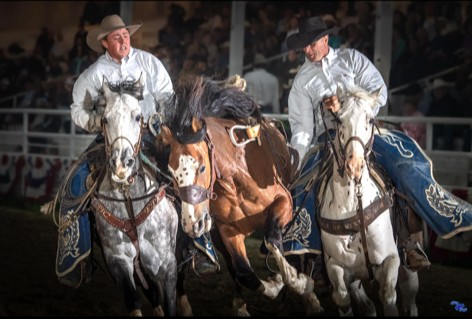
-
Denton Good heading on Crackers for Linkyn Petersek at the 2020 South Dakota State High School Finals Rodeo in Ft. Pierre, S.D. Peggy Gander | courtesy of Good family
Good_10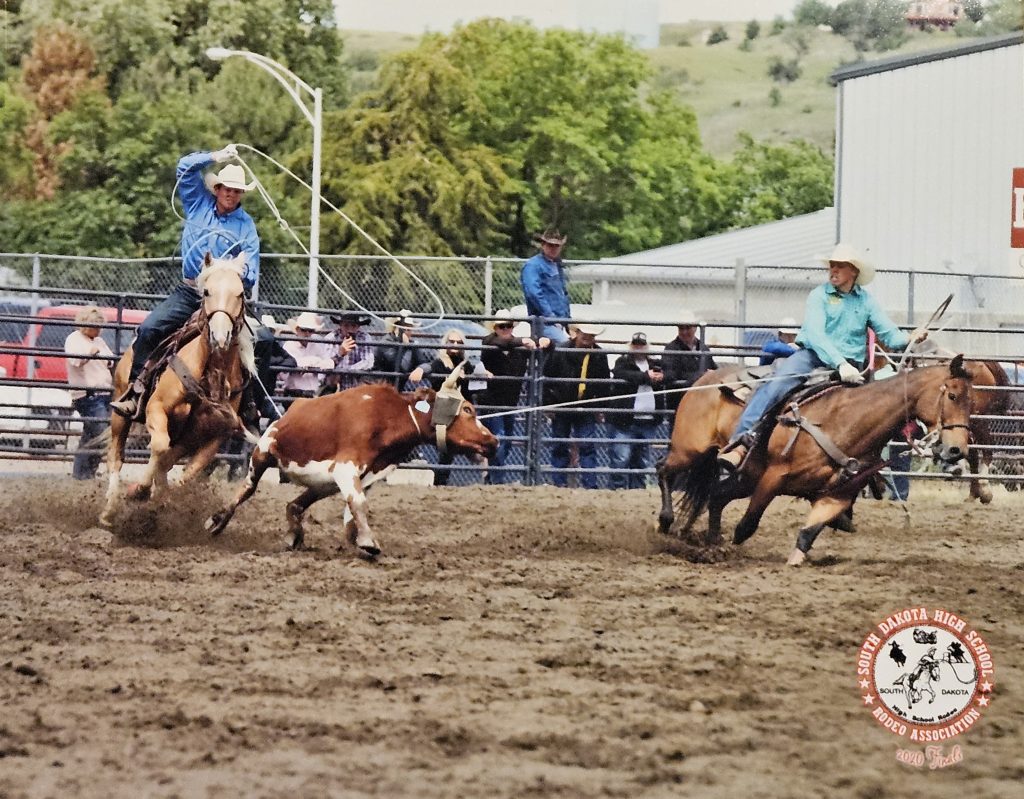
-
Blue Okie Joe (2000-2023) Larry Larson | courtesy Good family.
Good_1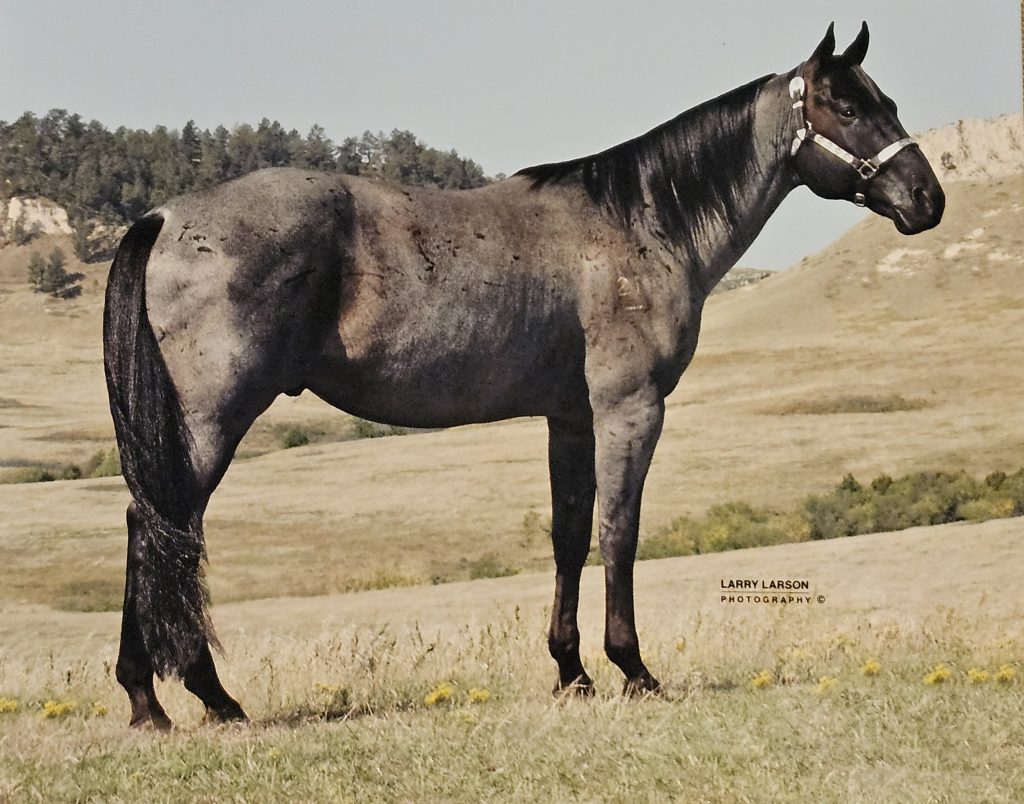
-
-
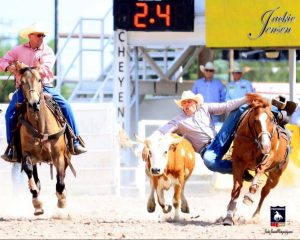
Allen Good bulldogging on Snort at the 1998 Cheyenne (Wyo.) Frontier Days PRCA Rodeo, with Gordon Good hazing on Unc. Dan Hubbell | courtesy Good family.
Good_2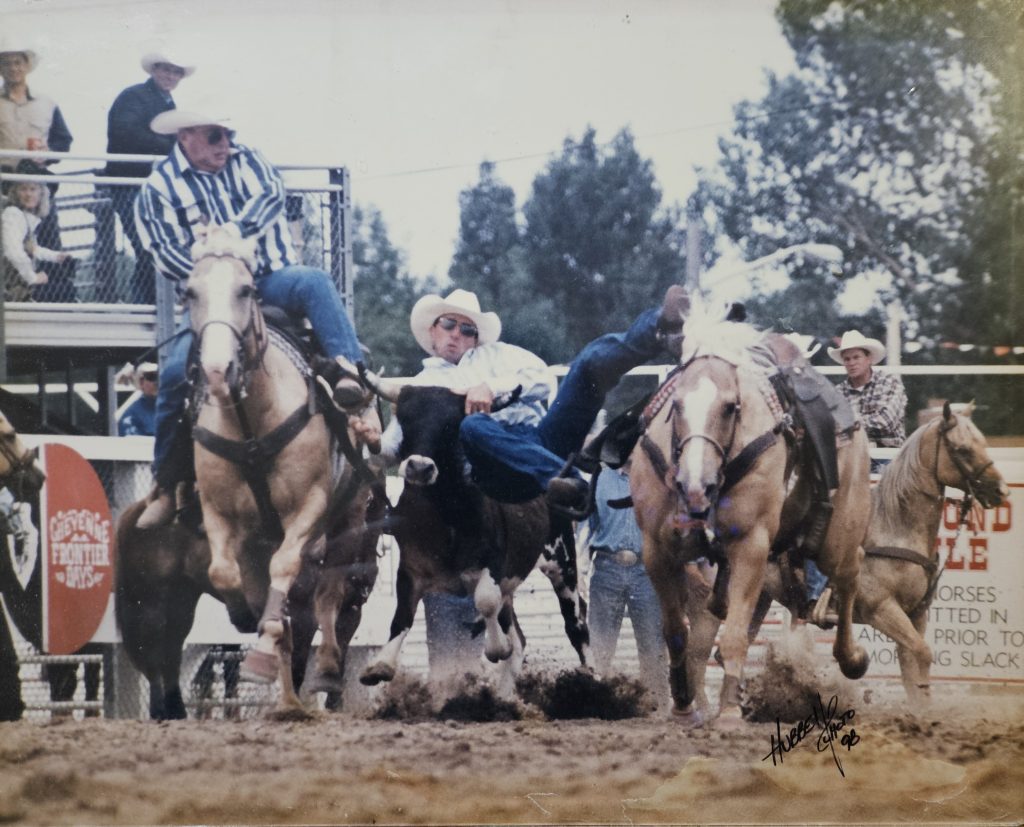
-
Carson Good bulldogging on Mario at the 2019 Badlands PRCA Circuit Finals Rodeo in Minot, N.D., with Gordon Good hazing on Khola. Peggy Gander | courtesy Good family
Good_3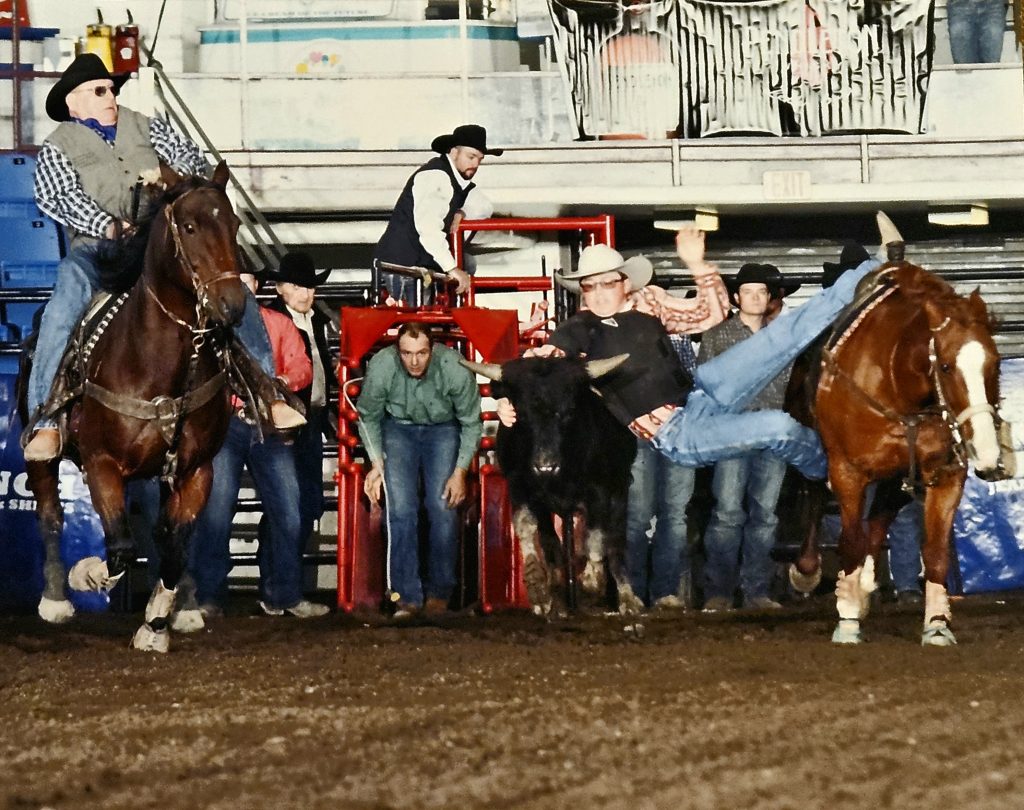
-
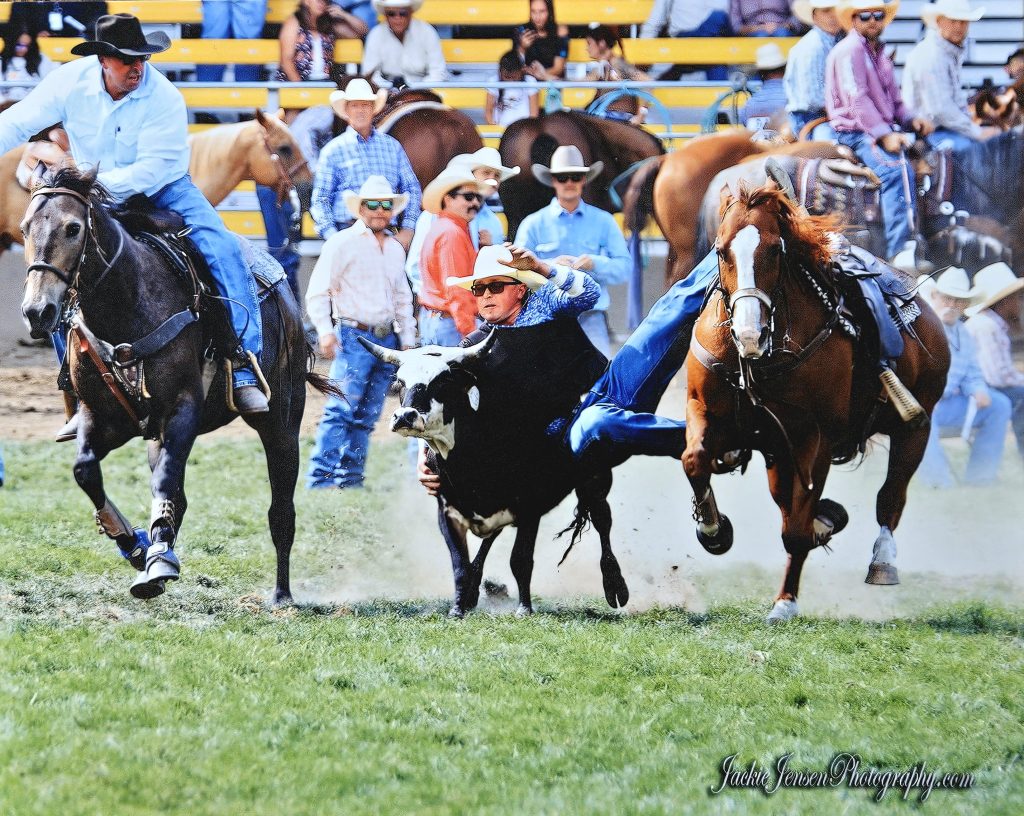
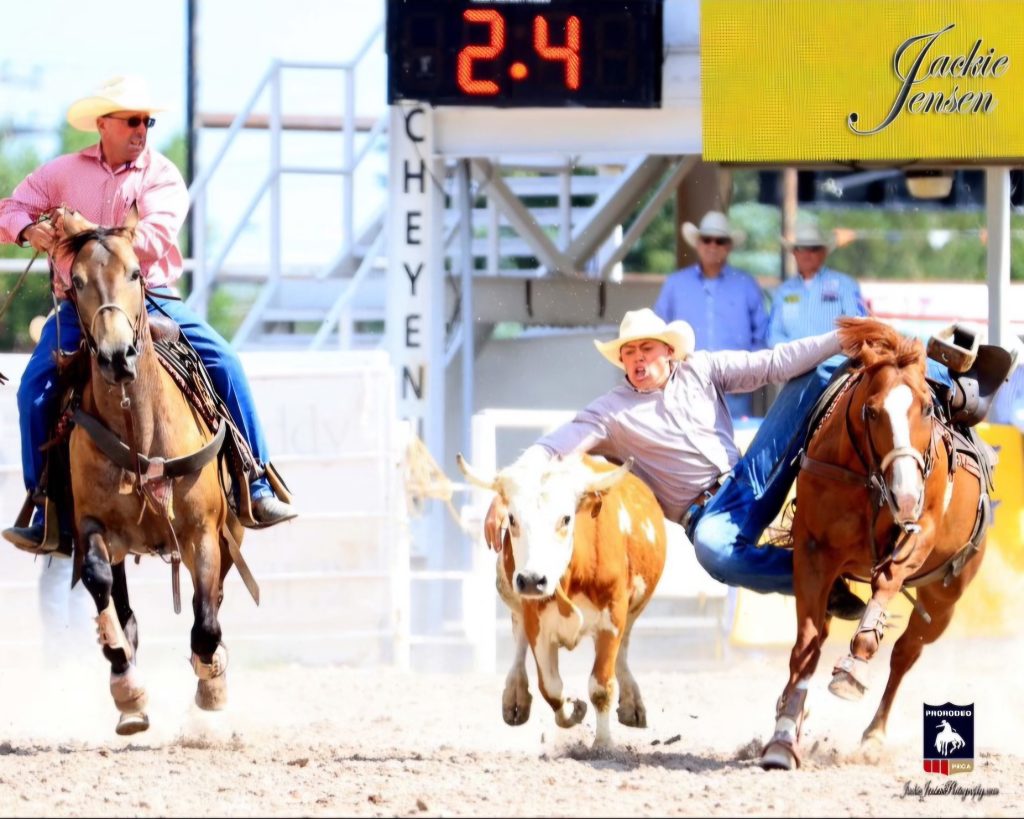
Denton Good bulldogging on Mario at the 2022 Cheyenne (Wyo.) Frontier Days PRCA Rodeo, with Allen Good hazing on Rocky. Jackie Jensen | courtesy Good family
Good_4
-
Debbie Good breakaway roping on Snoop at the 1992 Chadron (Neb.) State College NIRA Rodeo. Dan Hubbell | courtesy Good family
Good_5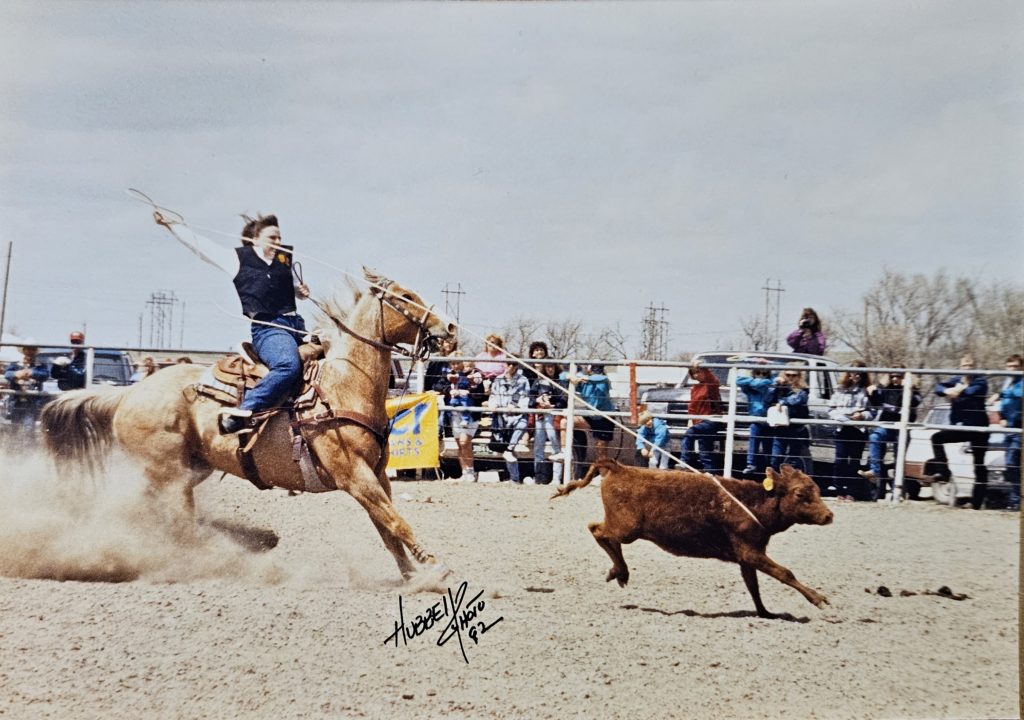
-
Darin Good bulldogging on Snort at the 1997 Badlands PRCA Circuit Finals Rodeo in Rapid City, S.D., with Gordon Good hazing on Unc. Jim Svoboda | courtesy Good family
Good_6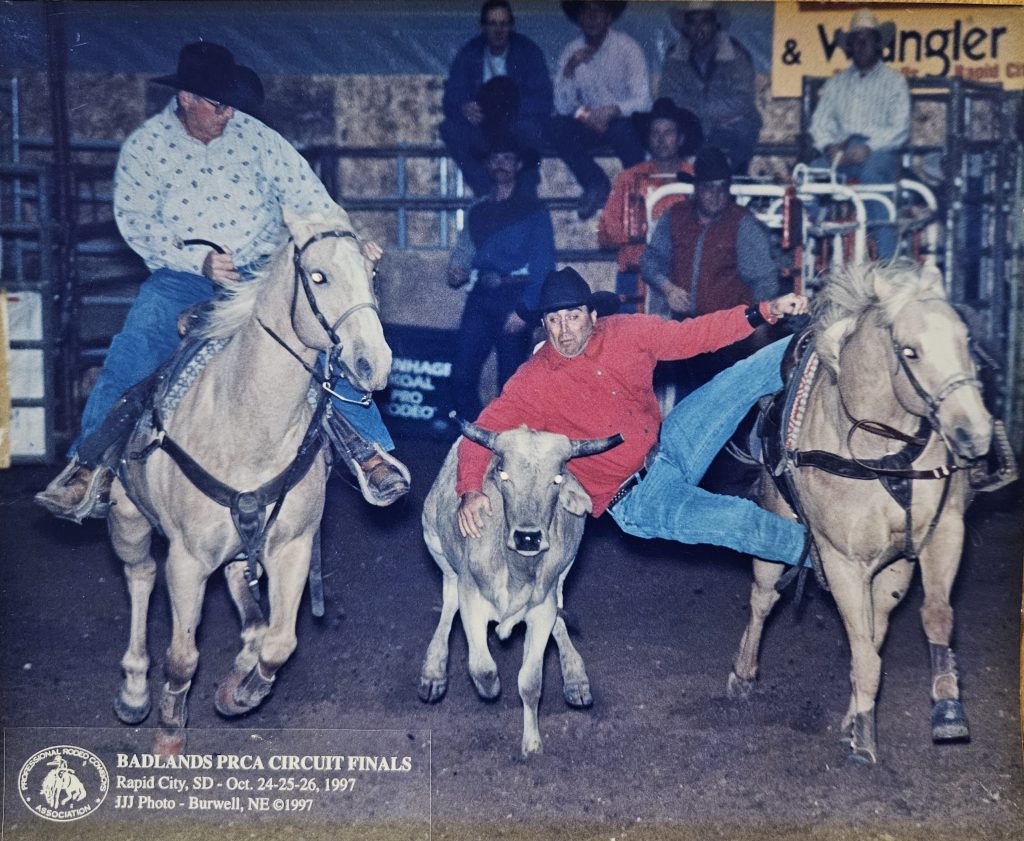
-
Denton Good hazing on Joe for Allen Good (who is bulldogging on Bugs) at the 2014 Faith (S.D.) Stock Show SDRA/NRCA Rodeo. John Skogberg | courtesy Good family
Good_7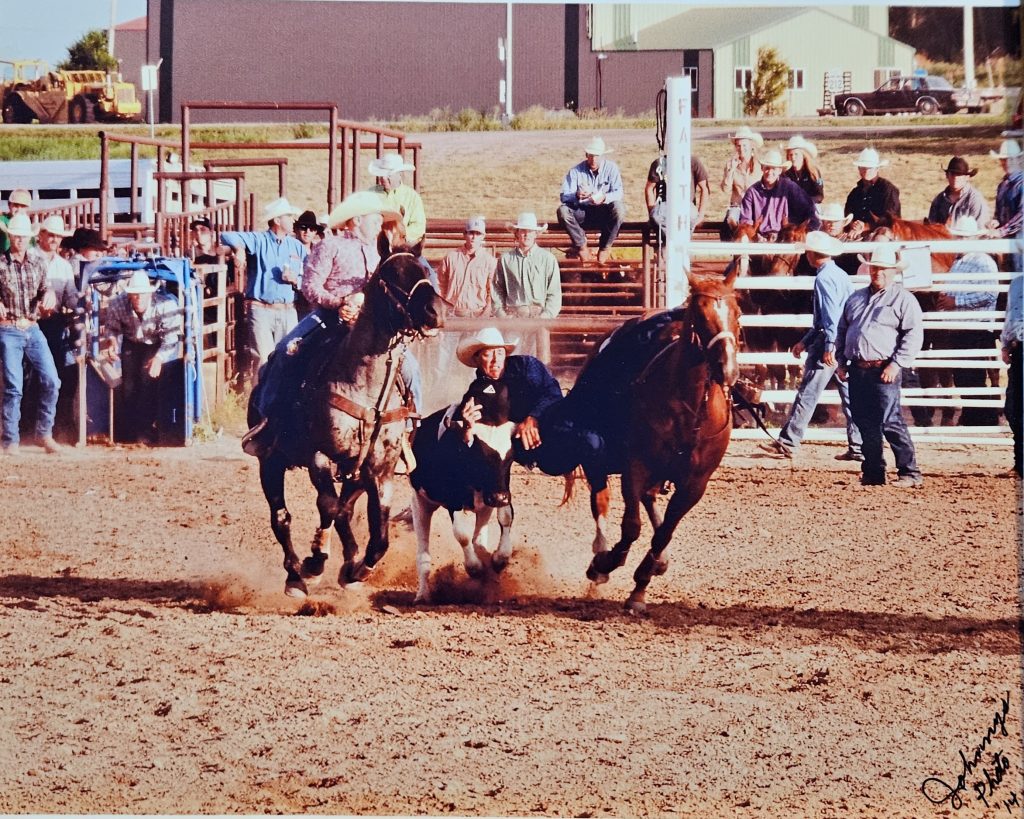
-
Carson Good bulldogging on Mario at the 2024 Pendleton (Ore.) Round-Up PRCA Rodeo, with Allen Good hazing on Rocky. Jackie Jensen | courtesy Good family
Good_8